Raising Angora Rabbits: The Complete Beginner’s Guide for US Owners
How we researched this guide: In October 2026 we checked the facts in this article against PDSA, Scottish Government, Rabbit.org and IAGARB, and corrected or removed anything we could not verify. Our sources are listed at the end. See our editorial policy. Last reviewed: October 2026.
Quick answer: Raising Angoras means daily feeding and checks, grooming several times a week, a wool harvest every few months and a rabbit-savvy vet. Give them plenty of space and, ideally, a compatible companion. Expect the wool work to take real time.
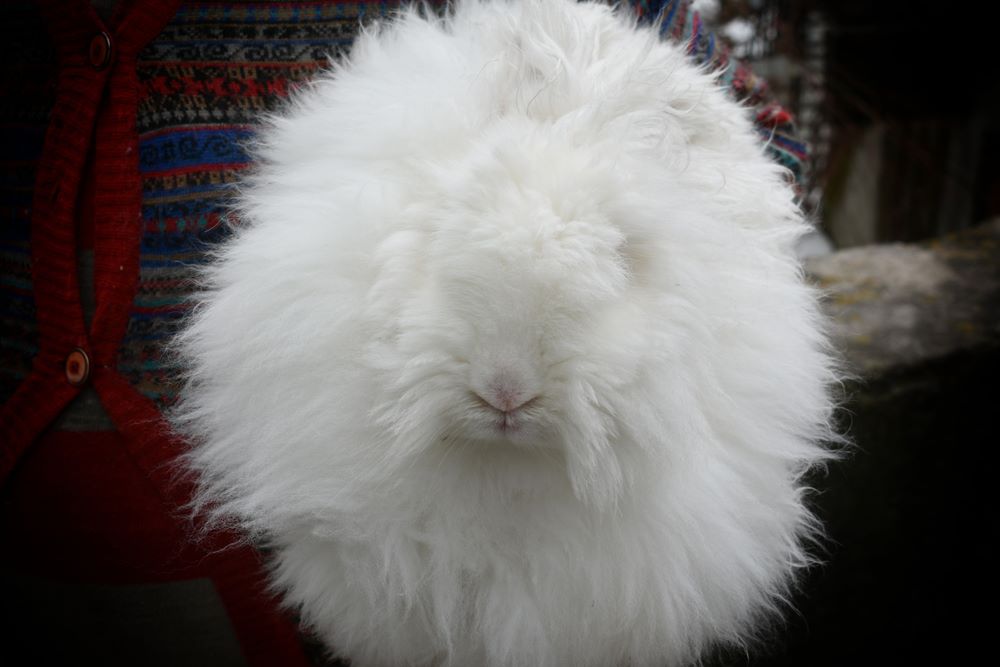
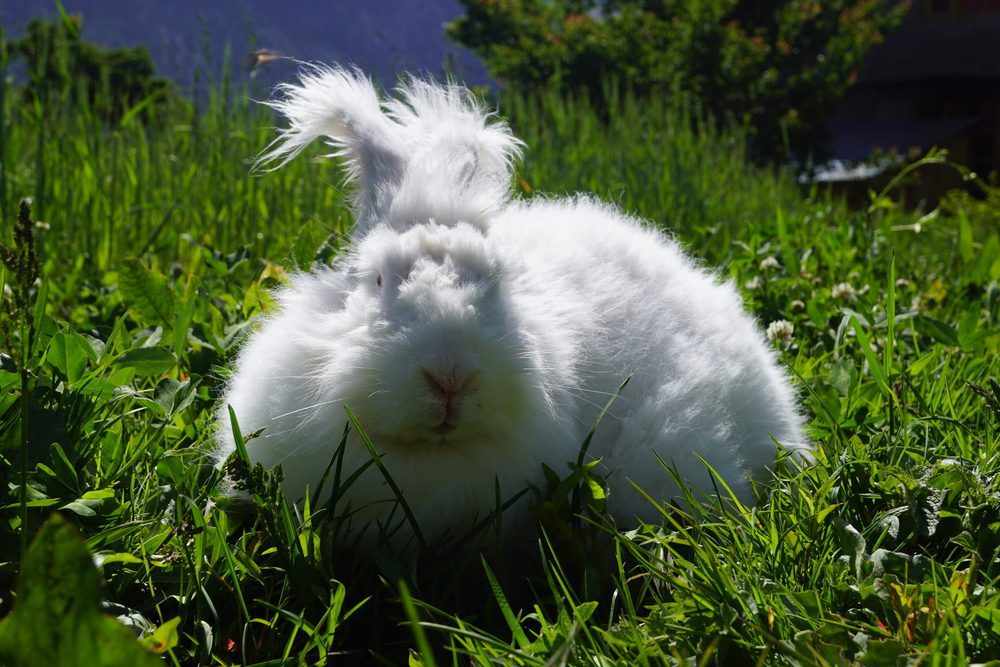
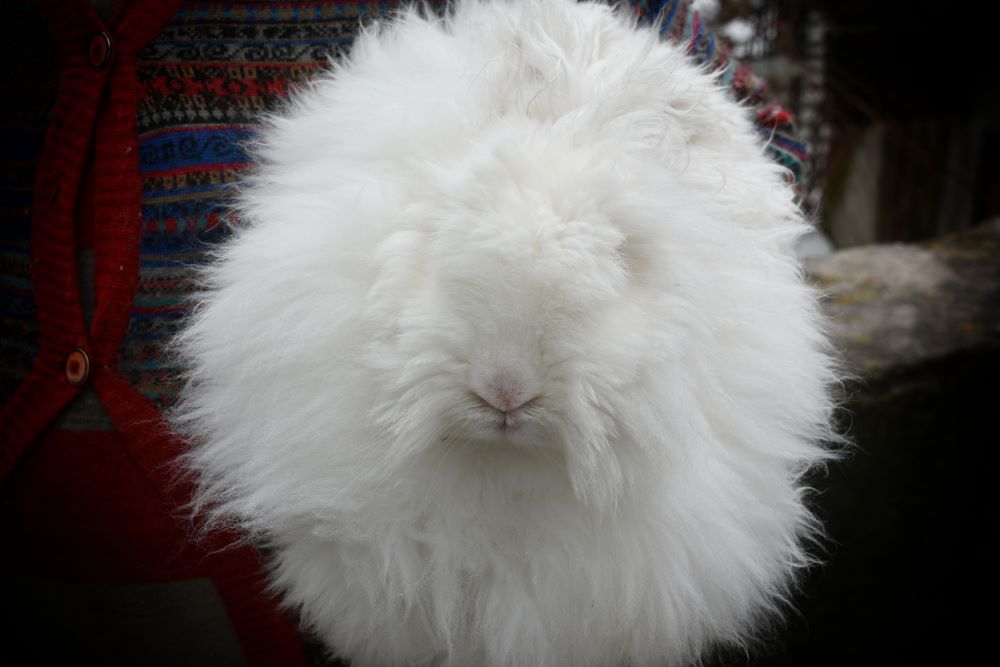
Raising Angora rabbits is one of the most rewarding small-animal pursuits available to US owners — and one of the most demanding. The same characteristic that makes the breed extraordinary, the long, continuously growing wool coat, is also what makes it genuinely different from any other rabbit to keep. An Angora rabbit that is groomed consistently and cared for correctly is healthy, beautiful, and capable of producing premium fiber for years. An Angora rabbit whose coat is neglected develops welfare problems within weeks.
This guide covers everything a first-time Angora rabbit owner needs to know before and after bringing a rabbit home: choosing the right breed, setting up housing correctly, feeding for coat and general health, understanding the grooming commitment, recognizing health warning signs, and deciding whether to breed or produce fiber. Each section links to the full detailed guide for that topic — this article gives you the complete picture; the linked articles give you the depth.
Choosing the Right Angora Breed
There are five Angora rabbit breeds. Choosing correctly at the outset determines your grooming workload, fiber production potential, and the type of animal you live with day to day.
| Breed | Adult Weight | Grooming Demand | Best For |
|---|---|---|---|
| English Angora | 5–7.5 lbs | Very high — daily attention needed | Experienced owners; show; finest fiber |
| French Angora | 7.5–10.5 lbs | Moderate — lower mat risk | First-time Angora owners; fiber; color variety |
| Satin Angora | 6.5–9.5 lbs | Moderate | Spinners wanting luster; experienced owners |
| Giant Angora | 9.5 lbs+ | High — regular shearing, often about every 90 days, | Fiber production; experienced owners |
| German Angora | 5.5–11.5 lbs | High — regular shearing, often about every 90 days, | Maximum fiber yield; experienced owners |
For first-time Angora owners: The French Angora is the most frequently recommended starting breed. Its clean face eliminates the English Angora’s mandatory facial wool trimming around the eyes, its guard hair proportion reduces mat formation, and its molting coat is harvested by plucking rather than shearing — removing the need for clipping equipment. It is a genuinely capable fiber animal and an excellent pet.
For fiber production: German and Giant Angoras produce the highest annual fiber yields, but both require regular shearing, often about every 90 days, and a higher grooming infrastructure investment.
For the complete breed comparison, see our Types of Angora Rabbits guide.
Setting Up Housing Before Your Rabbit Arrives
Indoor housing with climate control is the standard for all Angora breeds. The Angora wool coat felts irreversibly in rain and moisture, impairs heat dissipation in warm weather, and creates flystrike risk in warm months — making outdoor housing genuinely incompatible with the breed’s care requirements for most US owners in most US climates.
Enclosure Specifications
Every Angora rabbit enclosure must include:
- A roomy enclosure, not just a cage — UK welfare guidance suggests at least 10 × 6 × 3 feet of total space for two average-sized rabbits, and more for large breeds like the Giant
- Solid resting board covering at least one-third of the floor — wire flooring alone causes sore hocks (painful pressure ulcers on the hind feet)
- Hide box — an enclosed shelter area the rabbit can enter and retreat to; a welfare necessity, not an optional accessory
- Hay rack positioned to keep hay off the enclosure floor and out of the coat
- Water bottle positioned to minimize wool contact with the drinking surface
- Litter box at the rabbit’s preferred corner — set this up before the rabbit arrives
Temperature
Maintain indoor temperatures between 60 and 72°F (16 to 22°C). Above 80°F (27°C) constitutes heat stress risk — more acutely for Angora breeds than short-haired rabbits due to the insulating wool coat.
For the complete habitat setup, see our Angora Rabbit Habitat guide.
Diet: The Foundation of Coat and General Health
Angora rabbit diet follows the same general principles as all domestic rabbits, with one important difference: the protein requirement for pellets is higher due to the continuous energy demands of wool growth.
Daily Diet Structure
Unlimited timothy hay — the single most important dietary element. Hay provides the fiber that maintains gut motility, prevents GI stasis, wears down continuously growing teeth, and keeps the digestive system functioning. A rabbit without unlimited hay access is at immediate health risk regardless of what else it receives.
Measured high-protein pellets — often recommended for Angora breeds. Standard 12 to 16% generic rabbit pellets do not meet the protein demand of Angora wool growth. Check the label before purchase. Approximately ¼ cup per 4 to 5 pounds of body weight per day, adjusted for body condition.
Daily fresh leafy greens — romaine lettuce, cilantro, parsley, dandelion greens, and similar leafy vegetables. Introduce new greens one at a time in small quantities to monitor for digestive sensitivity.
Fresh water at all times — changed daily; sipper bottles preferred over open bowls to minimize wool contact.
Foods to Avoid
| Food | Risk |
|---|---|
| Onion family (onion, garlic, leek, chive) | Hemolytic anemia — avoid entirely |
| Avocado | Persin toxicity — avoid entirely |
| Rhubarb | Oxalic acid toxicity — avoid entirely |
| Chocolate | Theobromine toxicity — avoid entirely |
| Apple seeds / cherry / peach / plum pits | Amygdalin → cyanide release — always remove before offering |
| Iceberg lettuce | Excess lactucarium — use sparingly |
| Cauliflower | Gas-producing — raffinose fermentation causes GI discomfort |
| Carrots | Apple seeds/cherry/peach/plum pits |
For the full diet guide, see our Angora Rabbit Care Guide.
Grooming: The Non-Negotiable Core of Angora Rabbit Care
Grooming is not optional for Angora rabbit owners. It is the single most consequential daily care activity — more impactful than diet, housing, or any other care element on a day-to-day basis. A rabbit that is not groomed consistently develops mats within days, and mats that are not addressed progress to skin lesions, restricted movement, and GI stasis from ingested wool.
Grooming Frequency
- English, French, Satin Angoras: Full grooming session two to three times per week minimum
- Giant and German Angoras: Full grooming session two to three times per week plus regular shearing, often about every 90 days, — this is a non-negotiable care requirement, not elective
Grooming Order
Always begin at the underside — belly, chest, and inguinal folds — before moving to the back, sides, legs, and face. The underside is the highest-mat-risk area of the coat and is the most consequential to miss.
Essential Grooming Tools
- Steel grooming comb (Small Pet Select Hair Buster Comb or equivalent) — the primary tool for working through the coat systematically
- Slicker brush — for surface finishing after comb work
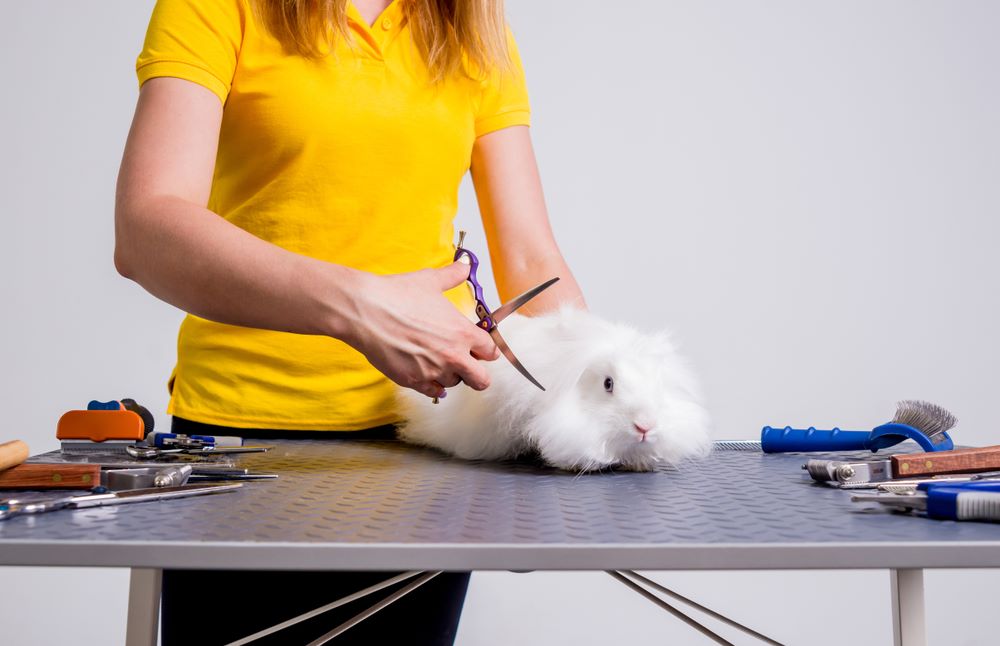
- Blunt-nosed scissors — for mat removal and English Angora facial wool trimming
- Pet grooming blower on cool setting — the most important tool for experienced breeders; separates fiber, removes dander, and identifies early mat formation before it becomes solid
The Mat Rule
Webbed mats (fiber still separating under finger pressure): work through with fingers and comb from the base outward. Solid mats (compressed into a dense mass): must be cut — never pull a solid mat, as rabbit skin is thin and tears easily. Always feel for the skin before cutting.
English Angora Specific — Facial Wool Trimming
The English Angora has the heaviest facial wool of the Angora breeds, and it grows toward the eyes. This wool must be trimmed clear of the eye surface at every grooming session without exception. Wool contact with the cornea causes mechanical abrasion, bacterial conjunctivitis, corneal ulceration, and — if untreated — permanent corneal scarring. This takes 30 seconds and is one of the most important single grooming tasks in all of Angora rabbit care.
For the complete technique guide, including session structure and tool use, see our Angora Rabbit Grooming guide.
Health: What to Monitor and When to Act
Daily Monitoring Checklist
Every interaction with your rabbit is a health check opportunity. Run through these points mentally at each visit:
- Droppings — round, uniform, abundant; any reduction, softening, or absence is a GI alert
- Appetite — eating hay actively; any reduction warrants monitoring within 4 to 6 hours
- Eyes — clear, no discharge; English Angora facial wool clear of eye surface
- Nose — dry and clean; any discharge warrants veterinary assessment
- Posture — upright and alert; a hunched posture with a rounded spine indicates pain
- Coat — check for new mat formation, urine staining at hindquarters, or any skin changes under the wool
The Most Important Health Emergency: GI Stasis
Gastrointestinal stasis — the slowing or complete cessation of gut motility — is the most common life-threatening emergency in domestic rabbits, and Angora owners must be prepared to recognize and respond to it. A rabbit in GI stasis reduces or stops eating, reduces or stops producing droppings, and adopts a hunched or uncomfortable posture. Without treatment, GI stasis progresses to intestinal gas accumulation and organ damage within hours.
Any rabbit that has not eaten or produced droppings for 6 to 8 hours requires a same-day veterinary assessment.
Wool block — the ingestion of excessive wool fiber that forms a compacted mass in the stomach — is a contributing cause of GI stasis in Angora rabbits. Consistent grooming reduces the amount of loose wool the rabbit ingests during self-grooming, directly reducing wool block risk.
Veterinary Care
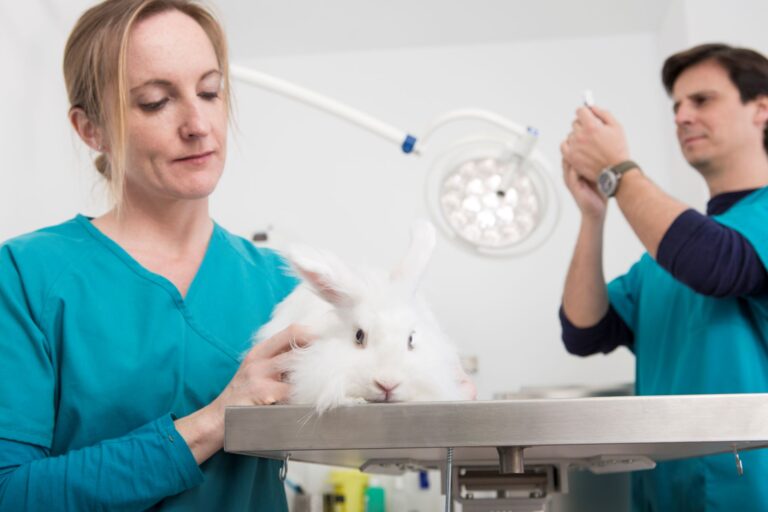
Identify a rabbit-experienced veterinarian before you bring your rabbit home — not after the first emergency. The House Rabbit Society shares local vet lists through its affiliates, and Rabbit.org keeps a state-by-state list of rabbit-savvy vets. Annual wellness examinations are recommended for all ages; twice-yearly examinations for rabbits over five years old, as dental disease risk increases.
For the complete health guide, including all named conditions and their warning signs, see our Angora Rabbit Health guide.
Litter Training
Litter training is achievable for most Angora rabbits within two to four weeks and is strongly recommended — a litter-trained rabbit can be safely given free-roam time, its enclosure stays cleaner, and the wool coat is protected from urine contact that causes felting and flystrike risk at the hindquarters.
Use paper pellets or compressed wood pellets — never clumping cat litter, cedar or pine shavings, or corn cob litter. Size the litter box correctly for the breed, ensure a low entry height to prevent hindquarter contact with the rim, and place fresh hay in the box to encourage use.
Spaying or neutering dramatically improves litter training success and is recommended for all pet Angora rabbits. In does, spaying removes the risk of uterine cancer, which is common in older unspayed females.
For the complete step-by-step process, see our How to Litter Train an Angora Rabbit guide.
Fiber Production: Is It Right for You?
If you are raising Angora rabbits for fiber as well as or instead of as pets, the production economics are genuinely favorable at the small-scale US level.
A German Angora can produce a good amount of fiber each year, but raw fiber prices vary widely by quality and market. A small rabbitry of five to ten producing rabbits generates meaningful supplemental income from a housing footprint no larger than a spare room or large garage area.
The key fiber production decisions are breed selection (German and Giant Angoras for maximum yield; English Angora for finest fiber; Satin Angora for most lustrous fiber), diet (good hay plus quality pellets), and harvest method (plucking for molting breeds; regular shearing, often about every 90 days, for German and Giant Angoras).
For the complete fiber production guide, including yield tables, harvest methods, and US selling channels, see our Raising Angora Rabbits for Wool guide.
The Time Commitment: What Raising Angora Rabbits Actually Requires
The financial costs of Angora rabbit ownership are significant and documented — see our How Much Are Angora Rabbits guide for the complete 2026 cost breakdown. But the time commitment is the more meaningful variable for most owners.
A realistic weekly time investment for a single Angora rabbit:
| Activity | Time Per Week |
|---|---|
| Grooming sessions (2–3 per week, 30–60 min each) | 1–3 hours |
| Daily feeding, water, and enclosure check | 30–45 minutes total |
| Litter box cleaning (every 1–2 days) | 20–30 minutes total |
| Free-roam supervision | 30–60 minutes |
| Weekly enclosure cleaning | 20–30 minutes |
| Total | 2.5–5.5 hours per week |
Over a 10-year lifespan, this represents approximately 1,300 to 2,860 hours of direct care per rabbit. This is not a discouraging figure — it is the context in which the decision should be made. Owners who find the grooming relationship genuinely satisfying — and many do, particularly those who spin or use the fiber — experience this time as rewarding rather than burdensome. Owners who find it becomes a chore face a welfare risk for the rabbit.
FAQs
Is raising an Angora rabbit difficult for a beginner?
The Angora rabbit’s grooming requirement makes it more demanding than any short-haired rabbit breed. It is manageable for a committed first-time owner who researches the care requirements thoroughly before acquiring a rabbit, which is what this guide is for. The French Angora is the most appropriate starting breed: lower grooming demand than the English Angora, clean face, and excellent fiber production.
How much space do I need to raise an Angora rabbit?
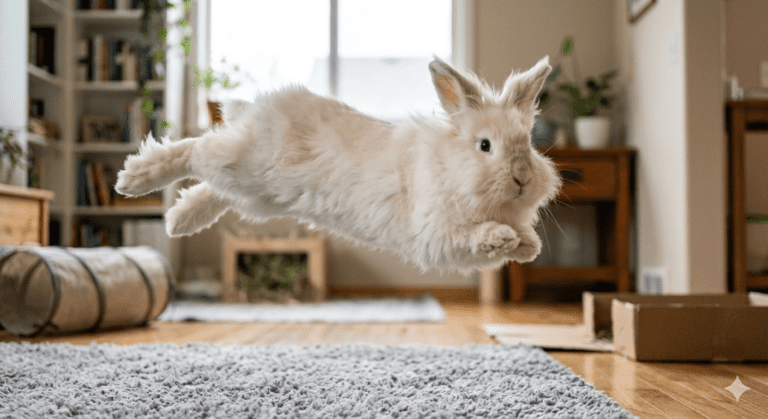
Give as much space as you can; welfare guidance suggests about 10 × 6 × 3 feet of total space for two rabbits, plus a dedicated free-roam area of at least one rabbit-proofed room for daily exercise time. Rabbits are social animals, and welfare groups such as PDSA advise keeping them with at least one other neutered rabbit.
Can Angora rabbits live outdoors?
Outdoor housing is not recommended for any Angora breed. The wool coat feels in rain and moisture, heat stress risk is elevated by the insulating coat, flystrike risk is substantially higher outdoors, and consistent grooming monitoring is not compatible with outdoor living conditions. Supervised outdoor time in a secure exercise pen on dry, mild days is appropriate. Full outdoor housing is not.
How do I find a reputable Angora rabbit breeder in the US?
The NARBC breeder directory at nationalangorarabbitbreeders.com is the primary resource for English, French, Giant, and Satin Angora breeders. The IAGARB at iagarb.com maintains the German Angora breeder network. Attending an ARBA rabbit show in your region allows you to meet multiple breeders and assess animals in person before purchasing.
How long do Angora rabbits live?
Angora rabbits live 7 to 12 years with proper care. This is a decade-long commitment that should be factored into any ownership decision. The grooming requirement, veterinary costs, and daily care needs persist for the rabbit’s entire lifespan.
Do Angora rabbits make good pets as well as fiber animals?
Yes — Angora rabbits are sociable, intelligent, and when handled consistently from a young age, become genuinely bonded to their owners. The grooming relationship itself, when built into a positive experience through gradual habituation, is a bonding activity. Many Angora rabbit owners who started keeping the breed for fiber find the animals become as valued as companions as they are as fiber producers.
Conclusion
Raising Angora rabbits successfully comes down to three commitments: consistent grooming on a two-to-three-times-per-week schedule without exception, a diet that supports the elevated protein demands of continuous wool growth, and the ability to recognize the behavioral and physical signs of health problems early enough to act on them.
Everything else — breed selection, housing setup, litter training, fiber production, behavioral understanding — is built on those three foundations. Get them right, and the Angora rabbit is one of the most rewarding animals to keep. Neglect any one of them, and the wool coat creates problems faster than almost any other pet animal’s care gap would.
Use the guides linked throughout this article for detailed guidance on each topic. The Angora Rabbit Care Guide is the most important single next read for any new owner — it covers the daily care routine in depth, and this overview cannot.
The information in this article is for general educational purposes and does not constitute veterinary advice. See our disclaimer for full details.
Sources
- PDSA. Creating the ideal home for your rabbits, checked October 2026.
- Scottish Government. Pet rabbit welfare guidance: The need for a suitable environment, checked October 2026.
- Rabbit.org. Spay For Health, checked October 2026.
- Rabbit.org. Find a Rabbit Vet Near You, checked October 2026.
- IAGARB. Breed Standard (German Angora), checked October 2026.
This guide is for general information and is not a substitute for advice from a vet. Read our disclaimer.