Angora Rabbit Health: Common Conditions, Warning Signs, and Prevention
Angora rabbits are generally hardy animals that live 7 to 12 years with proper care. The health challenges they face are largely shared with all domestic rabbits, with one critical addition. The long, continuously growing wool coat creates a set of health risks specific to wool breeds, and wool block in particular is the leading cause of preventable death among Angora rabbits in US households.
This guide covers every significant health condition an Angora rabbit owner is likely to encounter: the causes, the warning signs, the treatment options, and — most importantly — what you can do to prevent each condition from developing in the first place. It also covers what constitutes a medical emergency and when immediate veterinary intervention is required.
For context on the broader care framework that underpins good health — diet, housing, grooming, and temperature management — see our Angora Rabbit Care Guide.
The Critical Importance of a Rabbit-Experienced Veterinarian
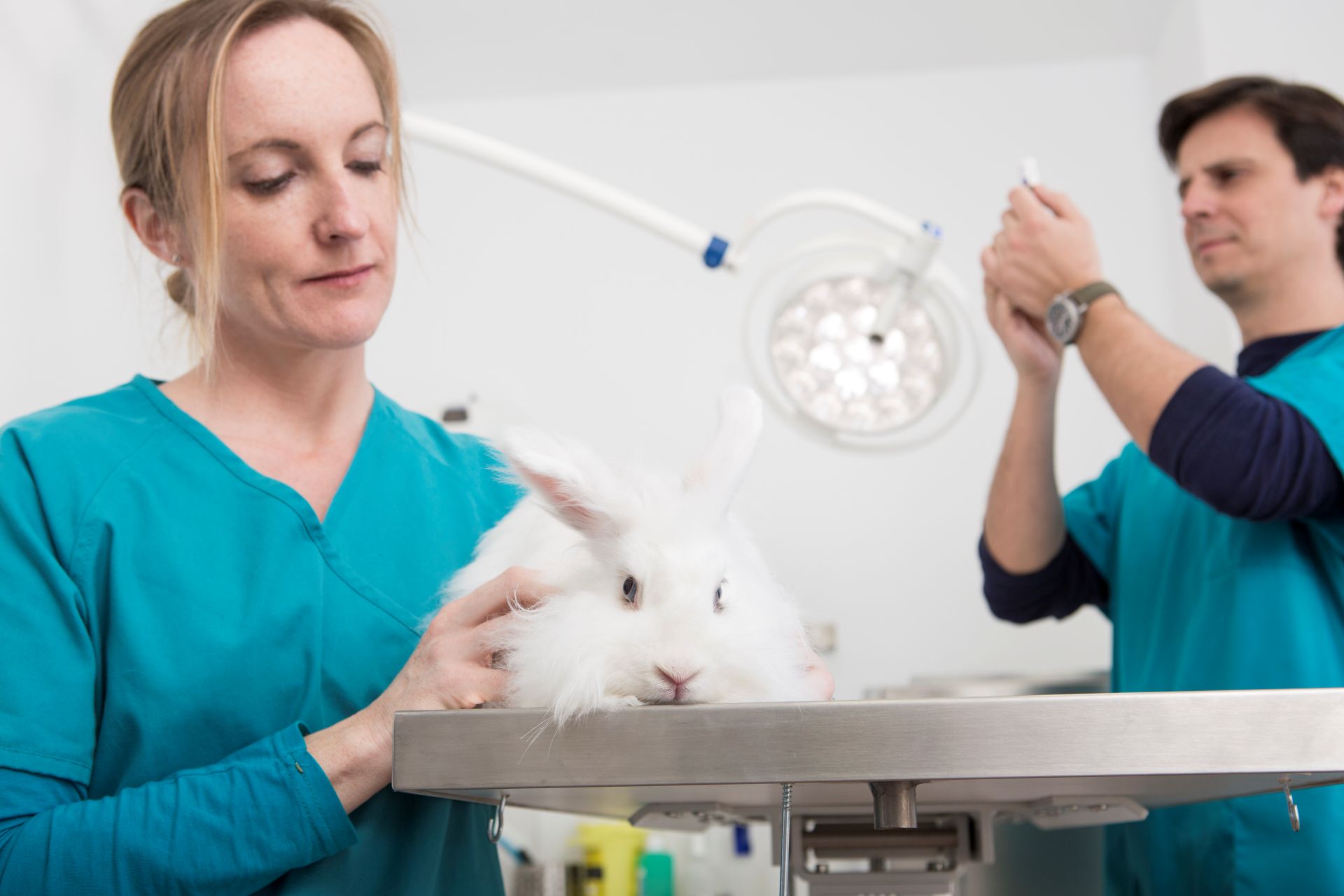
Before addressing specific conditions, find a rabbit-experienced veterinarian before you need one. Rabbits have different physiology, different medication sensitivities, and different emergency priorities from dogs and cats. Many general practice veterinarians have limited rabbit experience. A veterinarian who treats dogs and cats primarily may misread rabbit symptoms, recommend inappropriate anesthesia protocols, or miss conditions that a rabbit specialist would recognize immediately.
The House Rabbit Society maintains a state-by-state directory of rabbit-savvy veterinarians across the United States. Locate one in your area when you bring your rabbit home. Annual wellness examinations are strongly recommended for all Angora rabbits.
Wool Block and GI Stasis
What It Is
A wool block is the accumulation of ingested fiber in the gastrointestinal tract of an Angora rabbit. All domestic rabbits groom themselves by licking, and the fiber they ingest must pass through the digestive system completely — rabbits cannot vomit. In short-haired breeds, this is manageable with a high-fiber diet that keeps gut motility active. In Angora rabbits, the volume and length of ingested fiber are substantially greater, creating a significantly elevated risk of obstruction.
When ingested, fiber accumulates faster than it can be passed, creating a mass in the stomach or intestines that produces a feeling of fullness and suppresses appetite. As the rabbit stops eating, gut motility decreases further — a cycle that escalates rapidly. Severe cases, confirmed by veterinary examination as a true physical obstruction, require surgical intervention according to PetMD. An untreated wool block is fatal.
Warning Signs
The warning signs progress from subtle to obvious as the condition develops:
Early stage: Reduced pellet consumption. This is the first and most reliable indicator. A rabbit that leaves food in its bowl when it normally finishes everything is showing the primary early warning sign of wool block and almost every other health problem.
Progressing: Smaller or fewer droppings than usual. String-of-pearls droppings — fecal pellets strung together by visible wool fiber — confirm that the rabbit is ingesting fiber and that it is passing through, but indicate elevated ingestion levels that warrant immediate action.
Advanced: No droppings at all. Complete appetite loss. Hunched posture. Tooth grinding (indicating pain). Pressing the abdomen against the floor.
Emergency Protocol
A rabbit that has not eaten and has produced no droppings for 12 hours requires immediate veterinary attention. Do not wait.
For early-stage wool block where the rabbit is still eating and producing some droppings, the home management protocol used by experienced Angora breeders includes: clip all remaining long fiber from the coat immediately to eliminate the source of ongoing ingestion; remove pellets and provide only unlimited hay and fresh water; administer papaya enzyme tablets (five tablets, available from health food stores and pharmacy vitamin sections) — the enzyme bromelain helps break down wool fiber in the digestive tract; a tablespoon of cat hairball remedy such as Laxatone provides similar lubricating benefit. Per the National Angora Rabbit Breeders Club Beginner’s Guide, fresh pineapple juice is also appropriate as it contains bromelain naturally.
If there is no improvement within 24 hours on this protocol, or if the rabbit’s condition worsens at any point, veterinary intervention is required.
Prevention
Wool block prevention is the primary health management task for every Angora rabbit owner. Every other prevention measure in this guide is secondary. The four pillars of wool block prevention are:
Unlimited timothy hay at all times — dietary fiber is the most important driver of gut motility. A rabbit with active gut motility passes ingested wool through rather than accumulating it.
Regular grooming — removing loose fiber before the rabbit can ingest it directly reduces the volume of wool in the digestive system.
Regular coat harvest — maintaining the coat at an appropriate length reduces the volume available for ingestion during self-grooming.
Weekly papaya enzyme supplementation — two to five papaya enzyme tablets once per week is the standard preventive dose used by experienced Angora breeders.
Flystrike
What It Is
Flystrike — technically myiasis — occurs when flies lay eggs in soiled, matted, or moist wool, particularly in the vent area. The eggs hatch within hours, and the larvae (maggots) begin consuming tissue immediately. In warm weather, the progression from egg-laying to life-threatening tissue destruction can occur within a single day.
Flystrike is most common during warm months (May through September in most US climates) and is most likely to affect rabbits with soiled vent areas, urine-stained wool, or moist mat accumulation around the hindquarters. Angora rabbits are at elevated risk compared to short-haired breeds because their dense wool traps moisture and soiling that would be immediately visible and easily cleaned on a short-coated animal.
Warning Signs
Check the vent area and inner thighs daily during warm months. Warning signs include any soiling of the wool in the vent region, an unusual odor from the hindquarters, the rabbit appearing distressed, biting at the tail area, or any visible movement in the wool that should not be there.
Flystrike is a veterinary emergency. If you find fly larvae on a rabbit, contact a rabbit-experienced veterinarian immediately. Do not attempt to treat flystrike at home.
Prevention
Daily inspection of the vent area is mandatory during warm months. Wool in the hindquarters and vent area should be trimmed short — 0.5 inches or less — throughout the summer. Maintain clean, dry housing with droppings removed daily. Any rabbit with reduced mobility, dental disease, obesity, or urinary problems is at elevated flystrike risk due to reduced ability to self-clean and warrants more frequent inspection.
Dental Disease and Malocclusion
What It Is
All domestic rabbits have continuously growing teeth — both the incisors (front teeth) and the molars (back teeth) grow throughout the rabbit’s life. Normal chewing behavior — primarily of fibrous hay — wears the teeth at a rate that keeps them at the correct length and alignment. When wear and growth fall out of balance, overgrown teeth develop.
Malocclusion — misalignment of the upper and lower teeth — prevents normal self-wear and leads to increasingly serious problems. The incisors can develop into visible overgrowth that prevents normal eating. The molars develop sharp spurs that cut into the tongue and cheeks, causing pain and dramatically reducing the rabbit’s willingness to eat. As VCA Animal Hospitals notes, dental pain reduces self-grooming in all rabbits — a particularly serious consequence in Angora rabbits, where reduced grooming accelerates mat formation and increases wool block risk.
Warning Signs
Reduced appetite or reluctance to eat hay specifically (pellets are softer and easier with overgrown teeth). Dropping food while chewing. Weight loss. Drooling or wet chin fur (a sign of mouth pain). Reduced grooming and a deteriorating coat condition. Any lump on the jaw or face may indicate a dental abscess.
Treatment and Prevention
Dental disease requires veterinary treatment — molar spurs must be filed down by a veterinarian under sedation. Annual dental examinations allow early identification and intervention before the condition becomes serious. Unlimited hay prevents dental problems by providing the constant fibrous chewing that maintains tooth wear. Wooden chew toys and branches from safe tree species (apple wood, willow, hazel) provide additional wear surface and enrichment.
Wool Mites (Cheyletiella parasitovorax)
What It Is
Wool mites — also known as walking dandruff — are surface mites that live in the coat and on the skin of affected rabbits. They are visible as white flakes that appear to move when examined closely, because the mite is carried on the surface of the dandruff flakes. Wool mites are common in Angora rabbits, particularly during winter months when rabbits are housed indoors with less air circulation and fresh food access.
As VCA Animal Hospitals notes, Cheyletiella mites persist in the environment after treatment and are transmissible to people. Anyone in contact with an infected rabbit who develops skin irritation should consult a physician.
Warning Signs
White flaking skin — often concentrated between the shoulder blades and along the back. A greasy or waxy feel to the coat. Matting that appears in areas with no obvious mechanical cause. Increased scratching or skin sensitivity during grooming. In more advanced cases, patches of thinning wool or visible bald areas.
Treatment
Wool mites require veterinary treatment with prescription anti-parasitic medication — typically ivermectin applied topically at prescribed intervals. As PetMD notes, treatment of the rabbit alone is insufficient — the rabbit’s housing must be thoroughly disinfected simultaneously: cage wire cleaned with dilute bleach solution, all soft bedding laundered in hot water, porous materials that cannot be disinfected replaced, and carpeted areas vacuumed thoroughly.
Some Angora breeders use preventive ivermectin applications every two weeks. Discuss this with a rabbit-experienced veterinarian before starting any preventive anti-parasitic protocol.
Ear Mites
What It Is
Ear mites (Psoroptes cuniculi) infest the ear canal and cause the accumulation of fluid and thick brown crusts — a condition called ear canker. The MSD Veterinary Manual notes that infested rabbits scratch and shake their heads frequently and may lose weight. Severe untreated ear mite infestations can progress to inner ear involvement, causing head tilt.
Warning Signs
Head shaking. Scratching at the ears repeatedly. A dark brown, crusty accumulation visible in the ear canal. Crusts should not be removed at home — as the MSD Veterinary Manual states, doing so is painful and can cause severe bleeding. Veterinary treatment allows the crusts to dry up and fall off naturally.
Treatment
Prescription anti-parasitic medication from a veterinarian. Do not attempt to clean or remove the crusts manually.
Sore Hocks (Pododermatitis)
What It Is
Sore hocks — technically ulcerative pododermatitis — are pressure sores and ulcerations on the sole of the hind feet. They develop when the hock bears weight on a hard or abrasive surface repeatedly over time, causing the protective wool on the sole to wear thin, the skin to break down, and bacterial infection to follow. The MSD Veterinary Manual identifies wire-floored cages as the primary contributing factor, combined with the rabbit’s body weight and time spent sitting.
Giant and German Angoras are at elevated risk due to their larger body mass. All Angora breeds require a solid resting surface within their enclosure — a wooden board, rubber mat, fleece pad, or similar — to relieve foot pressure even if the cage floor is wire. As Vet Help Direct notes, pododermatitis is graded from Grade I (hair loss) through Grade V (bone and tendon involvement), with the most advanced cases being life-limiting.
Warning Signs
Early-stage sore hocks are visible as reddened, hairless patches on the sole of one or both hind feet. The rabbit may shift its weight or sit in an unusual position to relieve foot pressure. Lameness or reluctance to hop indicates more advanced involvement. Any visible sore or break in the skin requires prompt veterinary assessment.
Prevention
Provide a solid resting surface within the enclosure at all times. Keep the enclosure clean and dry — wet or soiled bedding significantly accelerates sore hock development. Maintain the rabbit at a healthy weight. Regular coat harvest prevents accumulated fiber on the feet from trapping moisture against the skin.
Heat Stress and Heat Stroke
What It Is
Angora rabbits are significantly more vulnerable to heat than short-haired breeds. The dense wool coat that provides excellent cold-weather insulation prevents effective heat dissipation through the skin. According to the Furry Critter Network’s veterinary guide, long-haired wool breeds, including all Angora varieties, face elevated heat stroke risk due to coats that trap heat and severely limit cooling ability.
Rabbits begin to show heat stress at temperatures above 75 to 80 degrees Fahrenheit (24 to 27 degrees Celsius). Heat stroke becomes possible above 85°F (29°C) and can be fatal rapidly.
Warning Signs
Panting with the mouth open. Excessive drooling or moisture around the mouth. Lethargy — the rabbit lies flat rather than sitting in its normal position. Rapid, shallow breathing. Glassy eyes. Unresponsiveness.
Heat stroke is a veterinary emergency.
Immediate First Aid
Move the rabbit to a cool environment immediately. Apply cool — not ice-cold — damp cloths to the ears (rabbits lose heat through ear blood vessels). Offer water, but do not force it. Contact a veterinarian promptly, even if the rabbit appears to be recovering — heat stroke can cause delayed complications, including disseminated intravascular coagulation.
Do not use ice water or place the rabbit directly on ice, as rapid temperature change can cause shock.
Prevention
Indoor housing with climate control is the primary protection. During summer, frozen water bottles placed inside or against the cage provide several hours of cooling. Fans circulating air — not blowing directly at the rabbit — improve ventilation. A summer clip before the hottest months significantly reduces heat load. Never leave an Angora rabbit in direct sunlight.
Snuffles (Upper Respiratory Infection)
What It Is
Snuffles is the common name for upper respiratory infections in rabbits, most often caused by the bacterium Pasteurella multocida. As VCA Animal Hospitals notes, the most common signs are mucus or pus-like discharge from the eyes and nose, sneezing, and crusty matted fur on the inside of the front paws — the result of the rabbit rubbing its eyes and nose repeatedly. In Angora rabbits, respiratory infections carry an additional complication: nasal and eye discharge soils the facial wool, creating conditions for matting and secondary skin infection.
Warning Signs
Sneezing — particularly if frequent and producing visible discharge. Wet or crusty fur on the inner front paws. Discharge from the eyes or nose. Labored breathing. Any respiratory symptom in a rabbit warrants prompt veterinary assessment.
Treatment
Pasteurella infections require appropriate antibiotic treatment prescribed by a veterinarian after examination. Many cases can be managed but not fully eliminated — the bacteria often persist in the respiratory tract. Recurrence is common under conditions of stress or immune compromise.
Encephalitozoon cuniculi (E. cuniculi)
What It Is
Encephalitozoon cuniculi is an obligate intracellular parasite that can infect rabbits through ingestion of contaminated material, primarily other rabbits’ urine. Many infected rabbits carry the organism without symptoms for years. As dvm360 reports in a clinical reference article on neurological diseases in rabbits, symptoms typically appear following a stressful event that reduces immune function.
The most common presentations are neurological: sudden head tilt (the head rotates to one side), nystagmus (rapid, involuntary eye movement), ataxia (loss of coordination), and, in severe cases, rolling. Eye involvement, producing white plaques inside the eye, and kidney involvement are also possible.
Warning Signs
Sudden onset of head tilt is the most recognized sign. Any sudden change in balance, coordination, or eye appearance in a rabbit that was previously healthy warrants immediate veterinary assessment.
Treatment
Treatment requires veterinary diagnosis — blood testing and, in some cases, imaging. Anti-protozoal medication, anti-inflammatory drugs, and supportive care are used. Some rabbits recover substantially with treatment; others show permanent residual neurological effects. Early intervention improves outcomes significantly.
Daily Health Monitoring: What to Check Every Day
Consistent daily observation catches every condition on this list earlier than any other measure. Rabbits are prey animals that instinctively conceal signs of illness — visible symptoms often indicate a condition that has been developing for some time.
Check the following every day:
Food and water consumption. Any reduction in the amount the rabbit normally eats or drinks is the first warning sign for almost every health problem listed above.
Droppings. Healthy droppings are round, uniform, and abundant. Smaller or fewer droppings indicate reduced gut motility. String-of-pearls droppings indicate wool ingestion. Absence of droppings for 12 hours requires immediate veterinary contact.
Vent area. Check daily for soiling or wool accumulation — the flystrike entry point. Trim as needed to maintain hygiene.
Eyes, nose, and ears. Any discharge, cloudiness, crustiness, or dark buildup warrants attention.
Feet. Check the soles of the hind feet at each grooming session for any redness, hair loss, or open sores.
Posture and behavior. A hunched rabbit, a rabbit that is reluctant to move, or a rabbit grinding its teeth is in pain. Seek veterinary attention promptly.
Emergency Signs That Require Immediate Veterinary Contact
Contact a rabbit-experienced veterinarian immediately if your rabbit shows any of the following:
No droppings for 12 hours or more, combined with loss of appetite. A suddenly tilted head that was not present before. Inability to maintain balance or stand normally. Open-mouth breathing or panting at rest in a normal room temperature. Visible fly larvae anywhere on the body. Complete collapse or unresponsiveness. Visible injury to the skin or obvious physical trauma.
FAQs
How often should an Angora rabbit see a veterinarian?
Annual wellness examinations are the minimum recommended for all Angora rabbits. These allow early identification of dental disease, weight changes, and coat conditions that may not be apparent through daily observation at home. Find a rabbit-experienced veterinarian before you need one. The House Rabbit Society maintains a state-by-state veterinary directory.
What is the number one health risk for Angora rabbits?
Wool block. It is the leading cause of preventable death in Angora rabbits in US households. Prevention requires consistent grooming to remove loose fiber, unlimited timothy hay to maintain gut motility, and regular coat harvest to manage the volume of fiber available for ingestion. Weekly papaya enzyme supplementation is an additional preventive measure used by most experienced Angora breeders.
Can wool mites spread to humans?
Yes. Cheyletiella mites are transmissible to people and can cause skin irritation in anyone who has been in contact with an infected rabbit. Anyone who develops a skin reaction after handling a rabbit suspected of having wool mites should consult a physician. Treatment of the rabbit must be combined with thorough disinfection of the rabbit’s environment.
What does a healthy Angora rabbit look like day-to-day?
Active and alert during its most active periods (usually dawn and dusk). Eating hay regularly throughout the day and finishing its daily pellet ration. Producing abundant, round, uniform droppings. Eyes clear and bright. Coat free of mats and contamination. No discharge from eyes, nose, or ears. Moving normally without lameness or reluctance.
Can Angora rabbits get vaccinations in the United States?
The core rabbit vaccinations used in the UK and Europe — for myxomatosis and RVHD (Rabbit Viral Hemorrhagic Disease) — are not commercially licensed in the United States. Discuss preventive care protocols with a rabbit-experienced veterinarian, as recommendations may evolve.
Is it normal for an Angora rabbit to lose weight as it ages?
Weight loss in any rabbit of any age is a warning sign requiring veterinary assessment, not a normal consequence of aging. Dental disease is the most common cause of weight loss in older rabbits — molars that are no longer wearing correctly prevent the rabbit from processing hay effectively. Annual dental examinations become increasingly important as a rabbit ages.
Conclusion
The health foundation of a long-lived Angora rabbit is consistent, attentive care: unlimited timothy hay, proper grooming on schedule, daily monitoring, and access to a veterinarian experienced with rabbits. Most of the conditions covered in this guide are either preventable or significantly more manageable when caught early, which is why daily observation is the single most important health habit an Angora rabbit owner can develop.
The Angora rabbit’s wool coat makes it more visually remarkable than almost any other domestic animal. It also makes the owner’s role more demanding and more consequential. Owners who meet that responsibility consistently will have healthy, long-lived rabbits.
For the complete grooming guide that underpins most of the health prevention discussed here, see our Angora Rabbit Grooming guide. For the full care framework, see our Angora Rabbit Care Guide.
The information in this article is for general educational purposes and does not constitute veterinary advice. For any health concern relating to your rabbit, consult a licensed veterinarian with rabbit experience. See our disclaimer for full details.