Best Brush for Angora Rabbits: The Complete Grooming Tool Guide
How we researched this guide: In October 2026 we checked the facts in this article against Small Pet Select, National Angora Rabbit Breeders Club, RSPCA South Australia, IAGARB and Petplan, and corrected or removed anything we could not verify. Our sources are listed at the end. See our editorial policy. All prices are in US dollars (USD). Last reviewed: October 2026.
Quick answer: Most Angora owners rely on a few tools rather than one brush: a steel comb for the wool, a slicker brush used gently, and a pet blower on a cool setting to open the coat. Blunt-tip scissors help with small mats.
This article contains affiliate links. As an Amazon Associate, we earn from qualifying purchases, at no additional cost to you. We only recommend products we have researched. See our full Affiliate Disclosure for details.
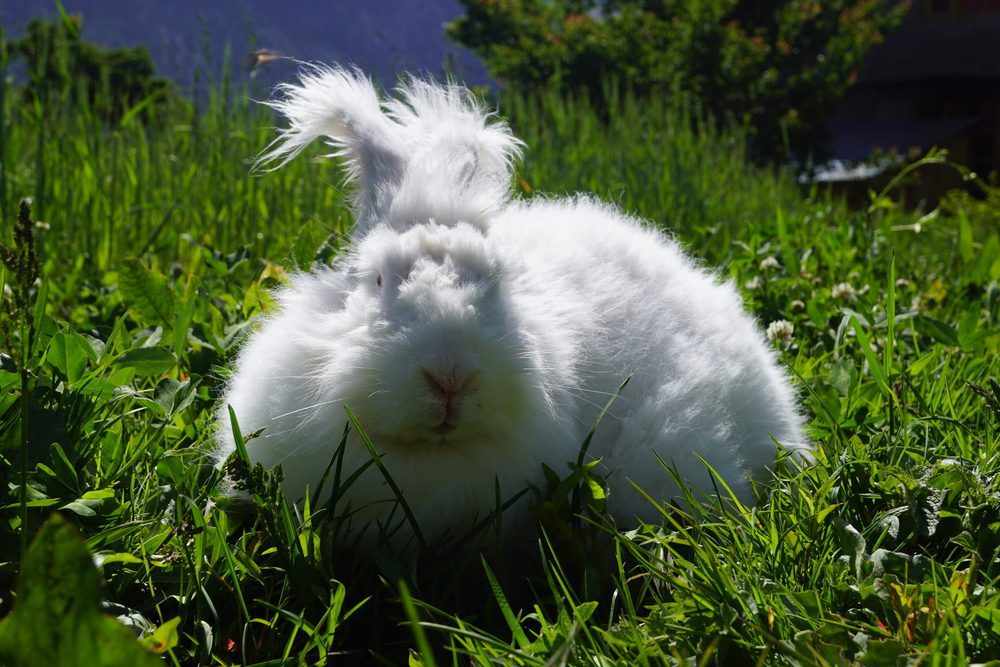
Choosing the right grooming tools for an Angora rabbit is not the same exercise as choosing a brush for a dog or a short-haired rabbit. The Angora’s wool coat — fine, continuously growing, and prone to matting at the fiber-to-fiber contact level — responds differently to different tools, and the consequences of using the wrong tool range from broken fiber and degraded fleece quality to missed mats that progress to wool block.
This guide covers the complete Angora rabbit grooming toolkit: what each tool does, why it matters, how to use it correctly, and which specific products meet the standards required for Angora wool. The tools are presented in order of importance.
Tool 1: The Blower — Most Important for Experienced Keepers
The single most important grooming tool for an experienced Angora rabbit keeper is not a brush. It is a high-velocity pet blower — a forced-air grooming dryer used on the cool setting.
A blower penetrates the full depth of the Angora coat to the skin, separating fiber, lifting debris, blowing out loose wool before it can be ingested, removing skin dander that accumulates in the underwool, and — critically — drawing out and separating early felted spots before they become solid mats. This last function is one the blower performs and no comb or brush can replicate efficiently. Experienced Angora breeders routinely complete a full grooming session with the blower and minimal comb work, arriving at a coat condition that would take far longer to reach by comb alone.
⚠️ Critical Angora-specific rule: Use the blower on cool or ambient air only. Never use heat on an Angora rabbit’s wool. Hot air can cause heat stress in the rabbit and can damage the fine fiber. Many pet blowers have a heat setting — this must be turned off or set to cool air when used on Angora rabbits. The force of air at room temperature is entirely sufficient for the purpose.
What to look for in a blower for Angora rabbits:
- Variable speed control — essential for starting low and building confidence with a rabbit new to the blower
- Cool/ambient air setting — not negotiable
- Hose length of at least 5 feet for comfortable maneuvering
- The quietest model you can find — loud blowers stress rabbits; starting at low speed further reduces the sound impact
The Shernbao SHD-2600P Super Cyclone is a popular professional-grade pet blower, with variable speed control and heat-off capability. Other professional pet blowers, such as those from Metro, are also used. All cost much more than basic grooming tools, but they are a genuine tool upgrade for anyone maintaining more than one or two Angora rabbits or keeping coats at show or spinning length.

For owners new to Angora rabbits or keeping a single pet rabbit at shorter coat lengths, the blower is beneficial but not strictly required. A steel comb and slicker brush can manage a shorter, regularly maintained coat. The blower becomes progressively more important as coat length increases, harvest intervals extend, and the number of rabbits being maintained grows.
For the full technique guide including how to introduce your rabbit to the blower, see our Angora Rabbit Grooming guide.
Tool 2: The Steel Grooming Comb — Primary Maintenance Tool
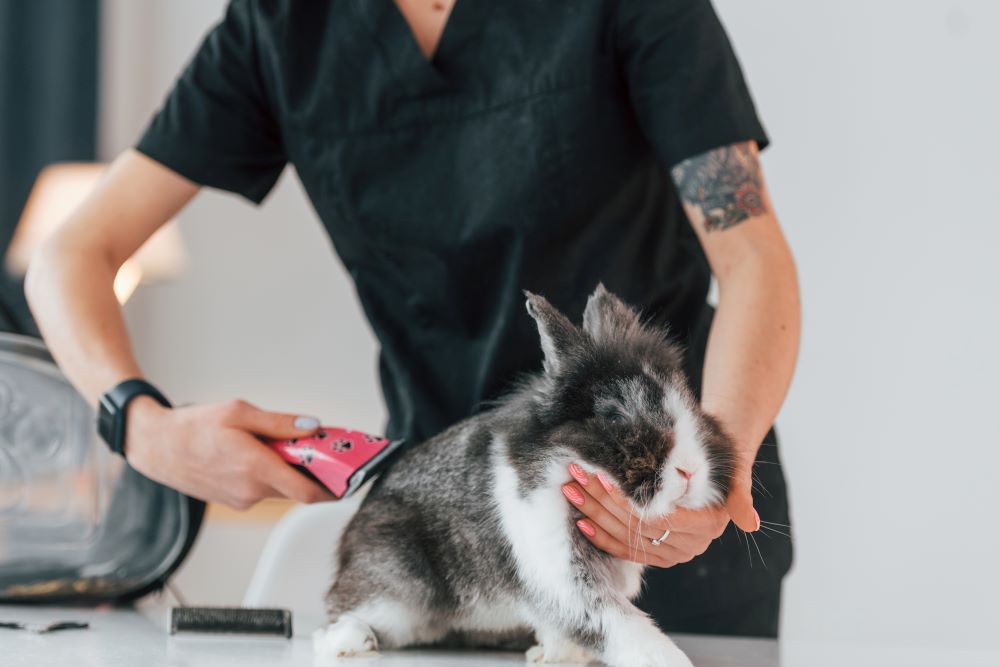
For the majority of Angora rabbit owners, the grooming comb is the most-used tool in every session. After the blower separates and lifts the coat, or in sessions where the blower is not used, the comb is what works systematically through the wool to detect and address mats before they solidify.
The comb for Angora rabbit grooming must be stainless steel with rotating or fixed teeth — not a plastic comb, not a wide-bristle brush. The steel teeth reach through the full depth of the coat, and the rotating-tooth design (where each tooth spins independently) glides through the coat rather than dragging and breaking fiber.
The Small Pet Select Hair Buster Comb is a steel comb with rounded tines, made specifically for rabbits, and is popular with rabbit owners.

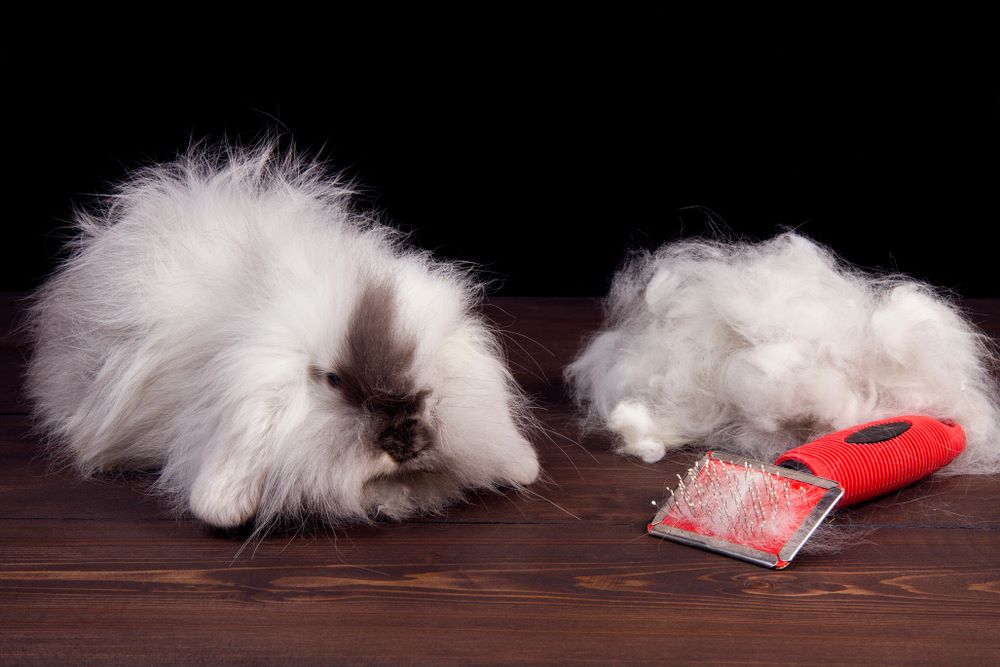
The Hair Buster Comb features teeth spaced to work through Angora underwool without the aggressive tearing action of fine-toothed dog combs. It is sized for small animal grooming and handles comfortably during the sustained comb work that Angora grooming sessions require. This comb works through the coat systematically — starting at the tips and working toward the skin in sections — removing loose fiber, detecting early mat formations before they become embedded, and providing the physical skin-level contact that doubles as a health monitoring pass with each session.
Technique note: Work in sections from the tips toward the skin, not from the root outward. Combing from the tips first and gradually working toward the skin prevents mat tightening and reduces fiber breakage. Support the base of the wool with one hand while combing with the other to protect the skin from pulling tension.
Tool 3: The Slicker Brush — Surface Finishing
A slicker brush is appropriate for Angora rabbit grooming as a surface finishing tool — used after blower and comb work to smooth the outer coat, catch any remaining loose surface fiber, and give the coat a finished appearance. It is not appropriate as a substitute for the comb in working through the coat depth, and should not be the primary mat detection or removal tool.
The Hertzko Self-Cleaning Slicker Brush is a widely sold self-cleaning slicker brush, with broad applicability to Angora rabbit wool in its surface-finishing role.

The Hertzko slicker features fine, slightly bent wire pins that work across the coat surface without the aggressive tooth penetration of a grooming comb. Its self-cleaning mechanism — a button that retracts the pins and releases collected fur — keeps the brush functional across long sessions without interruption to clean collected fiber from the bristles. This brush is also useful for the quick maintenance passes between full grooming sessions that experienced Angora owners do daily or every other day to catch loose surface fiber before it mats.
Important limitation: The slicker brush should not be used to force through resistance in the coat. If the slicker brush catches on something, stop — do not force it through. That resistance is a forming mat, and forcing a slicker through it will break fiber and potentially tighten the mat. Switch to the comb to work through any resistance points, then return to the slicker for surface finishing.
Tool 4: The Deshedding Tool — For Molting Periods
For the three Angora breeds that molt naturally — English, French, and Satin Angoras — the quarterly molt period is when a deshedding tool earns its place in the toolkit. During active molt, the loosening undercoat can be harvested more effectively with a deshedding tool than a standard comb.
The FURminator deShedding Tool is a well-known deshedding tool and is appropriate for use during Angora molt periods.

The FURminator works by catching and removing loose undercoat fiber as it separates from the follicle during molt. It is more aggressive than the Hair Buster Comb and should be used with care on Angora wool — light passes only, never forcing through resistance. Its primary Angora application is during active molt when significant loose fiber is present at the coat surface and needs to be removed efficiently before it felts or is ingested during self-grooming.
Important: The FURminator is not a routine maintenance tool for Angora rabbits outside of molt periods. Outside of active molt, the Hair Buster Comb is the appropriate primary comb. Using the FURminator aggressively on a non-molting coat can break fibers and remove viable wool that should be left for harvest.
Tool 5: Grooming Scissors — For Mat Removal
No grooming toolkit for an Angora rabbit is complete without a pair of small, blunt-nosed scissors for mat removal. As established in our grooming guide, solid mats must be cut — they cannot be combed out without causing pain and skin injury. The scissors must have blunt or rounded tips to prevent skin puncture if the rabbit moves suddenly during cutting.
Standard small pet grooming scissors or blunt-nosed embroidery scissors serve this purpose well. The key requirements: sharp enough to cut cleanly through compressed wool, small enough for precise control, and blunt at the tip. A matt splitter or seam ripper can substitute for scissors for webbed (early-stage) mats, where the fibers can be separated manually after the seam ripper opens the mat.

See our Angora Rabbit Grooming guide for the full mat classification system and the correct tool for each mat type.
Complete Toolkit Summary
| Tool | Purpose | When Used | Our Pick |
|---|---|---|---|
| High-velocity blower | Coat separation, dander removal, early mat lifting | Every session — experienced keepers | Shernbao SHD-2600P (cool setting only) |
| Steel grooming comb | Main coat maintenance, mat detection | Every session | Small Pet Select Hair Buster Comb |
| Slicker brush | Surface finishing, quick passes | Every session (finishing) + daily light passes | Hertzko Self-Cleaning Slicker |
| Deshedding tool | Loose undercoat removal during molt | Molting periods only | FURminator (Small, Long Hair) |
| Blunt-nosed scissors | Solid mat removal | As needed | Any blunt-tipped small grooming scissors |
What to Avoid: Tools That Damage Angora Wool
Standard dog or cat brushes not designed for long wool: Most general pet brushes — including bristle brushes, rubber grooming gloves, and wide-tooth plastic combs — do not penetrate the full depth of Angora wool and do not provide effective mat detection at the skin level. They give the appearance of grooming without the substance.
Fine-toothed flea combs: Too fine for Angora wool — they catch in the fiber constantly and cause breakage without providing the depth penetration of a proper grooming comb.
Hot air from any heat source: Any application of heat to Angora wool risks felting the fiber. This includes hairdryers on warm or hot settings, heated grooming tools, and warm-air forced blowers. Use only cool air or ambient temperature forced air.
Metal pin brushes with sharp, uncapped tips: Pin brushes with uncapped metal tips can scratch rabbit skin during grooming, particularly when working through resistant areas. Choose brushes with ball-tipped pins or use combs instead for any work requiring pressure.
FAQs
What is the best brush for Angora rabbits?
The most important tool is not a brush but a steel grooming comb — specifically the Small Pet Select Hair Buster Comb for routine maintenance. Experienced breeders rank the high-velocity blower (used on cool setting only) as the single most important tool overall. The Hertzko Self-Cleaning Slicker Brush serves as the surface finishing tool after comb work.
Can I use a regular pet brush on my Angora rabbit?
Most general pet brushes are not appropriate as primary grooming tools for Angora rabbits. They do not penetrate the full coat depth, do not provide effective mat detection, and in some cases damage the fine wool fiber. A steel comb designed for long-hair small animals is the correct primary maintenance tool.
How often should I groom my Angora rabbit?
Two to three full sessions per week at minimum, with daily light passes using the slicker brush between sessions. During active molting periods, daily full sessions are required to manage the volume of loosening fiber. For the complete schedule by breed and coat length, see our Angora Rabbit Grooming guide.
Do I need a blower for my Angora rabbit?
A blower is the most effective tool for coat maintenance and becomes progressively more important as coat length increases, as the number of rabbits maintained grows, and as grooming goals extend toward show or spinning quality. For a single pet rabbit kept at shorter coat lengths with regular grooming, a comb and slicker brush are sufficient. For anyone maintaining multiple rabbits or longer coats, a blower is a meaningful investment.
Can I use a hairdryer instead of a pet blower?
A standard hairdryer on cool setting can serve as a basic substitute, but it typically lacks the air volume and velocity to penetrate the full depth of an Angora coat effectively. More importantly, it is easy to accidentally switch to warm or hot air, which can overheat the rabbit. A dedicated pet blower with a heat-off setting is safer and more effective. If using a hairdryer, always verify it is on cool-only setting and keep it moving to prevent localized heat buildup.
What is the correct grooming order for Angora rabbits?
Start with the blower on cool setting to separate the coat and lift debris. Then comb systematically in sections from the belly and underside first (highest mat risk area), working outward to back, sides, legs, and face. Finish with the slicker brush for surface smoothing. Never start at the back — the underside is where mats form first and where grooming is most commonly neglected. For the full step-by-step technique, see our Angora Rabbit Grooming guide.
Conclusion
An Angora rabbit’s coat requires a specific toolkit matched to the unique properties of long, fine, continuously growing wool. The steel grooming comb is the foundation for every owner. The high-velocity blower — used on cool setting — is the single most impactful upgrade for experienced keepers. The slicker brush finishes and maintains. Together, these tools support the grooming frequency and thoroughness that Angora rabbit wool health requires.
For the complete grooming technique — including how to work through each coat section, how to identify and address mats correctly, and how to introduce the blower to a rabbit that has not used one before — see our Angora Rabbit Grooming guide.
The information in this article is for general educational purposes. For any health concern relating to your rabbit, consult a licensed veterinarian. See our disclaimer for full details.
Sources
- Small Pet Select. Hair Buster Comb, checked October 2026.
- National Angora Rabbit Breeders Club. A Beginners Guide to Angoras, checked October 2026.
- RSPCA South Australia. Grooming tips for woolly and long-haired rabbits, checked October 2026.
- IAGARB. Remove That Wool!, checked October 2026.
- Petplan. Angora rabbit breed information, checked October 2026.
This guide is for general information and is not a substitute for advice from a vet. Read our disclaimer.