Angora Rabbit Yarn: Properties, Spinning, Knitting, and Buying Guide
How we researched this guide: In October 2026 we checked the facts in this article against National Angora Rabbit Breeders Club, James Hutton Institute archive and Cashmere and Camel Hair Manufacturers Institute, and corrected or removed anything we could not verify. Our sources are listed at the end. See our editorial policy. All prices are in US dollars (USD). Last reviewed: October 2026.
Quick answer: Angora yarn is spun from the wool of Angora rabbits. It is very fine, light and warm, with a soft halo. Pure Angora is delicate, so it is often blended with wool or other fibers for strength. Wash it gently by hand.
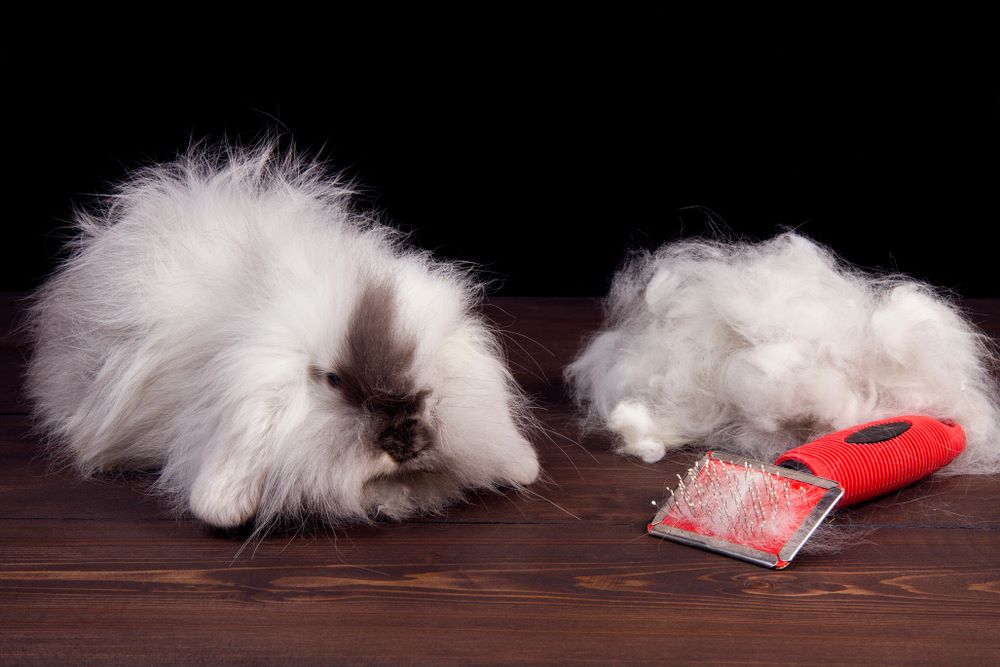
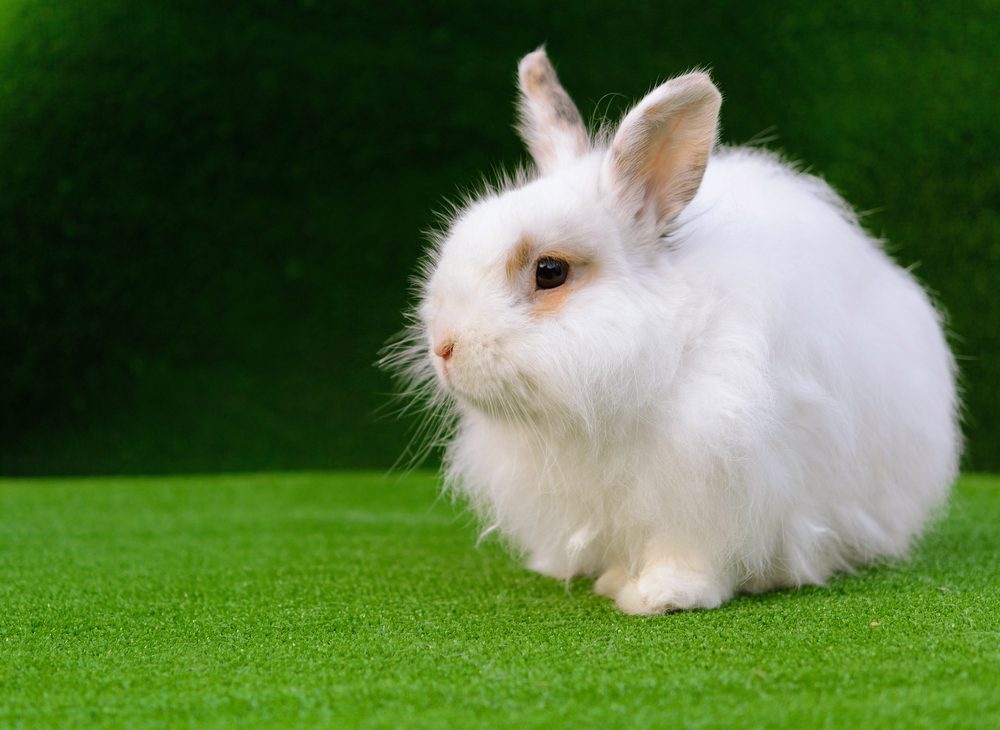
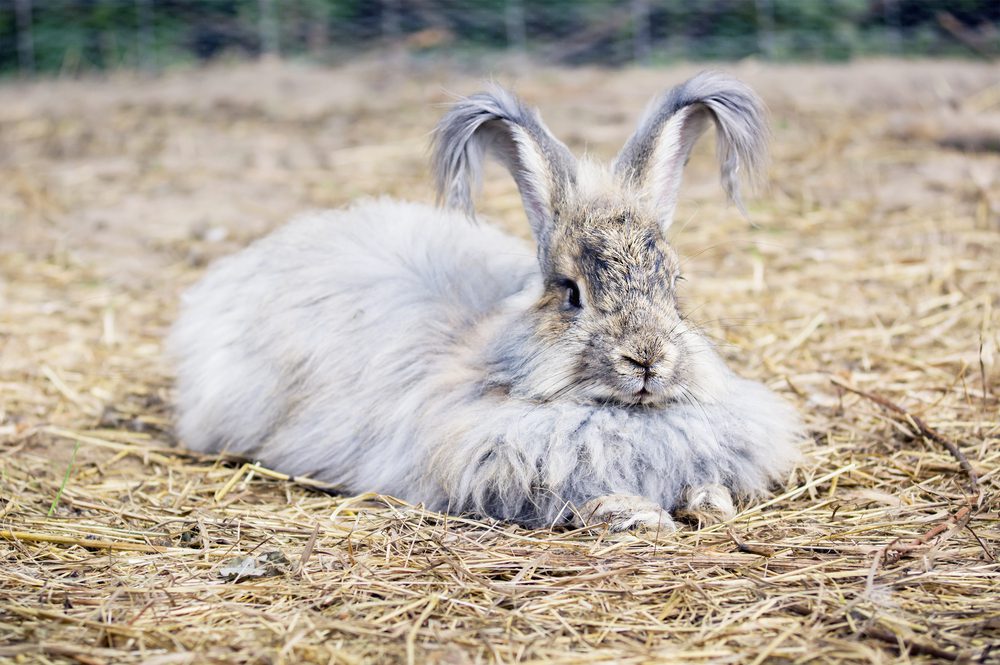
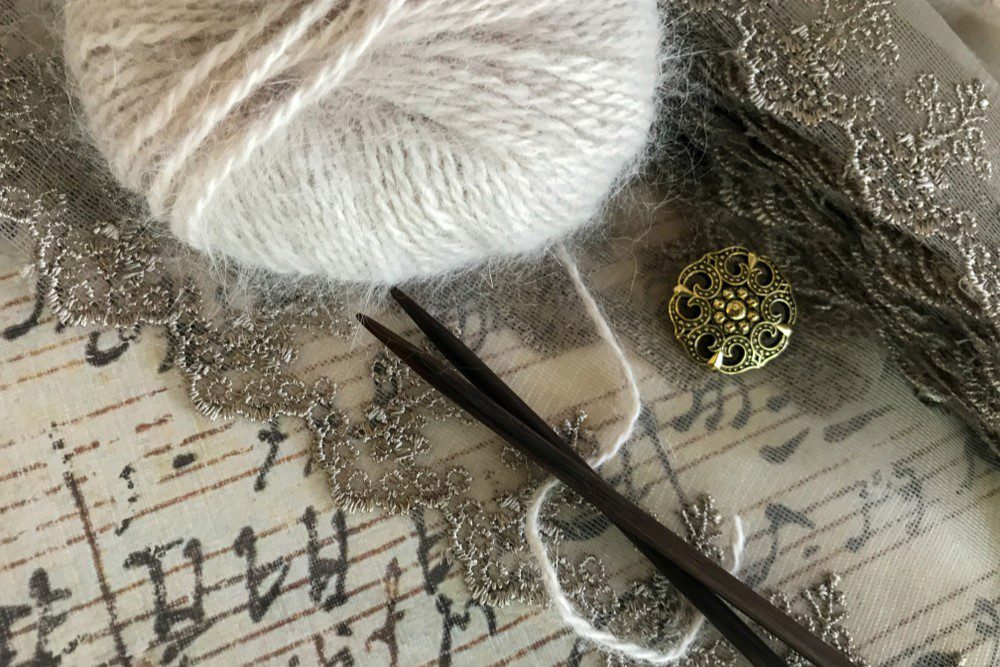
Angora rabbit yarn is made from one of the finest animal fibers available for hand spinning and knitting. Angora fiber measures about 12 to 16 microns in diameter, according to the European Fine Fibre Network archive; cashmere, for comparison, is 14 to 19 microns. The fiber has a hollow core that traps air, which helps make it light and warm, and it gives Angora yarn its distinctive soft halo.
This guide covers everything a US fiber enthusiast needs to know: what makes Angora yarn unique at the fiber level, the differences between Angora yarn from each breed, how to spin it successfully, how to use it in knitting and crochet projects, how to care for finished Angora garments, and where to source quality Angora yarn in the US market.
What Makes Angora Yarn Unique: The Fiber Science
Understanding why Angora yarn behaves the way it does — and why it commands a premium price — requires understanding its physical structure at the fiber level.
Fiber Diameter
Angora fiber is generally about 11 to 16 microns, and figures vary from rabbit to rabbit; the breed ranges below are rough guides only:
| Breed | Fiber Diameter | Comparison |
|---|---|---|
| English Angora | 11–13 microns | Finer than most cashmere |
| French Angora | 13–16 microns | Comparable to fine cashmere |
| German Angora | 13–16 microns | Comparable to fine cashmere |
| Satin Angora | 16–20 microns | Comparable to fine merino |
| Giant Angora | 16–20 microns | Comparable to fine merino |
The micron count determines both softness against the skin and spinning behavior. Finer fibers produce softer yarn but are more slippery and challenging to spin. Coarser fibers within the Angora range (Satin and Giant) are easier to work with for new spinners while still being significantly softer than most sheep wool.
The Hollow Core
Angora fiber has a hollow medullary core — an air-filled center channel that runs through the length of the fiber. This hollow structure is responsible for two of Angora’s most valued properties:
Exceptional warmth per weight. The trapped air inside each fiber provides thermal insulation with minimal mass. A pure Angora garment is dramatically lighter than a sheep wool garment of equivalent warmth.
Extreme lightness. The hollow core reduces the density of the fiber significantly. A 100g skein of Angora yarn feels notably lighter than a 100g skein of wool because each fiber contains less material per unit length.
The Halo Effect
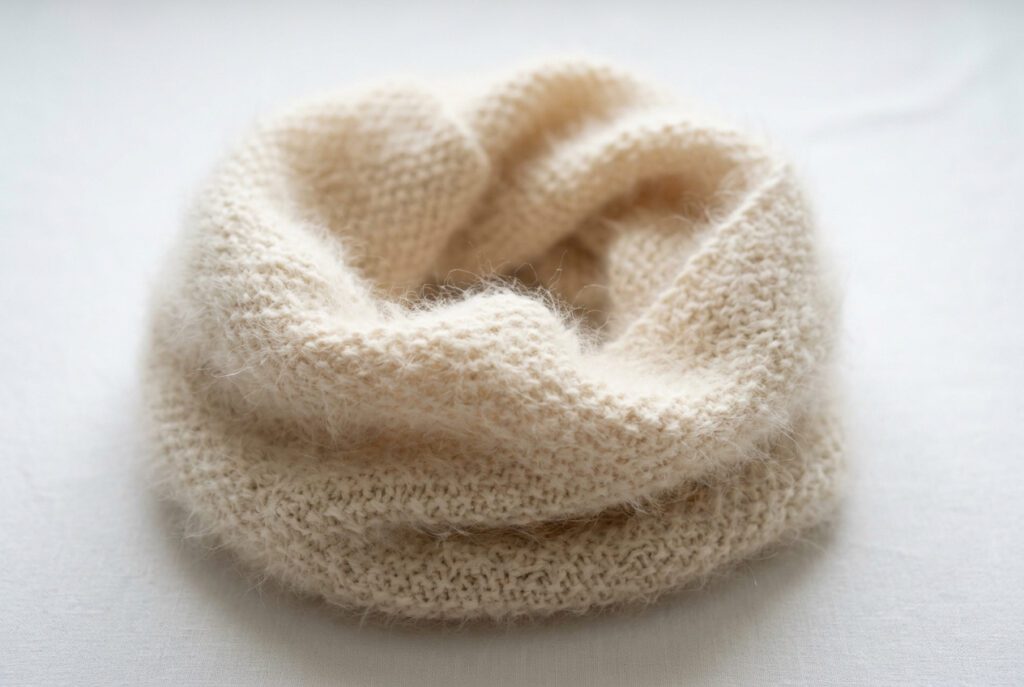
Angora fiber lacks the microscopic surface scales present on sheep wool. In sheep wool, these scales interlock with adjacent fibers during spinning to hold the twist. Angora’s smooth fiber surface means it does not interlock in the same way — instead, short fibers project outward from the spun strand in all directions, producing the characteristic fluffy halo surrounding every strand of spun Angora yarn.
This halo is the defining visual characteristic of Angora yarn and is what gives Angora knitted garments their distinctive soft, cloud-like appearance. It is also what makes Angora challenging to spin — the smooth, scale-free surface requires significantly more twist than wool to hold the yarn together.
No Allergenicity from Surface Scales
The absence of surface scales that makes Angora slippery to spin is the same property that makes it comfortable for people who react to sheep wool. Wool prickle — the sensation that makes many people itch when wearing standard wool garments — is caused by the scale structure abrading the skin. Angora’s smooth fiber surface does not produce this effect, making it suitable for many people with sheep wool sensitivity.
Angora Yarn by Breed: What to Expect
Not all Angora yarn is identical. The breed source significantly affects spinning behavior, halo intensity, luster, and durability in finished garments.
English Angora Yarn
The finest and softest of all Angora yarns. Very high halo due to the near-total absence of guard hair. Wraps tightly when spun, producing a compact, dense yarn that blooms significantly after washing. The most challenging Angora to spin due to extreme fiber fineness and slipperiness. Produces the most luxurious finished fabric of any Angora breed.
French Angora Yarn
Higher guard hair proportion than English Angora, which reduces halo intensity but significantly improves spinning behavior. The guard hairs provide structure that helps the fiber hold twist. French Angora is the most recommended breed yarn for spinners new to Angora. Available in a wider range of natural colors than other breeds.
German Angora Yarn
Similar fiber fineness to French Angora, with excellent yield per rabbit. The dense double undercoat produces yarn with good body and warmth. Slightly less halo than English due to guard hair content. Popular with hand spinners seeking a balance of quality and productivity.
Satin Angora Yarn
The rarest and most distinctively beautiful Angora yarn. The semi-transparent guard hair structure unique to Satin Angoras produces a natural luster — a silky sheen — that no other Angora breed yarn possesses. Lower annual yield than other breeds makes Satin Angora yarn less common and typically more expensive. Suitable for special projects where luster is the primary quality sought.
Giant Angora Yarn
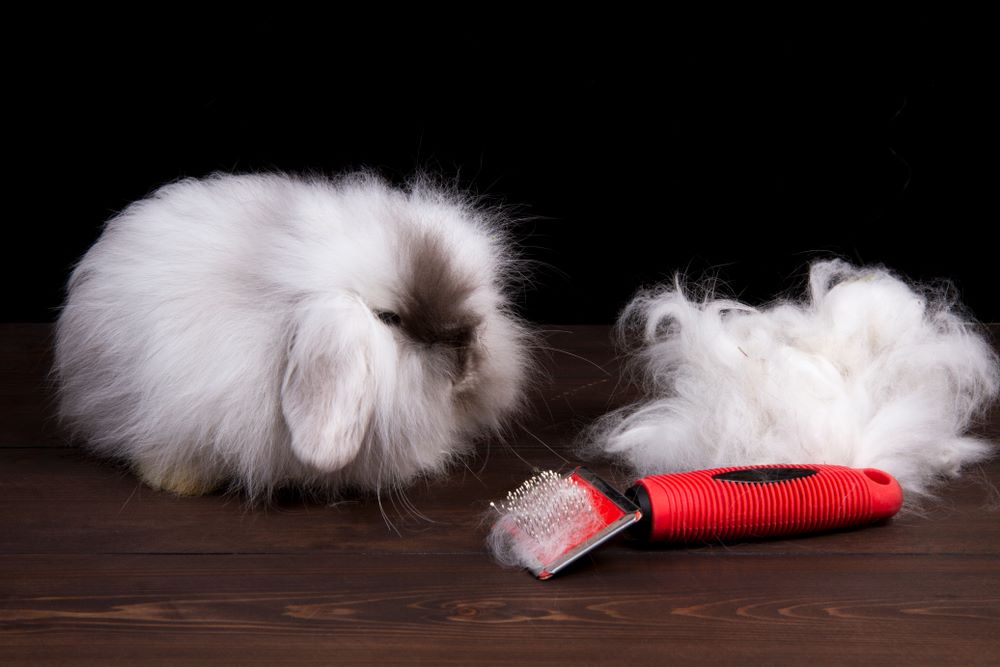
Highest absolute fiber yield per rabbit. Fiber diameter similar to Satin. The highest fiber volume of the ARBA Angora breeds — about 28 to 40 ounces a year — makes Giant Angora the practical choice for large-scale spinning projects. Less halo than English or French due to guard hair content and fiber diameter.
Spinning Angora Fiber: A Practical Guide
Angora fiber is genuinely challenging to spin and is not recommended as a beginner’s first fiber project. However, with correct technique and realistic expectations, it produces yarn of exceptional quality.
The Core Challenge: Twist
The smooth, scale-free surface of Angora fiber means it does not hold twist the way wool does. Every decision in spinning Angora — wheel ratio, treadling speed, draft length — must be oriented toward adding sufficient twist to keep the yarn cohesive.
Use the smallest whorl available on your wheel — the highest ratio setting that produces the most twist per treadle. If you typically spin at a 6:1 ratio, try 9:1 or higher for Angora.
Treadle aggressively. The yarn on the bobbin at the end of drafting should feel almost wiry — stiffer than you expect finished yarn to be. This is correct. The fiber blooms and softens dramatically after washing, and a yarn that feels adequately twisted while dry may not hold together after wetting.
Draft short and tight. Long draws are not appropriate for pure Angora. A short forward draft of one to two inches at a time keeps the fiber organized and prevents the slippery mass from drafting out faster than twist can enter.
Consider a drop spindle. Many experienced Angora spinners prefer a drop spindle over a wheel for fine Angora because the spindle allows more direct control over the twist entering the fiber. A Turkish drop spindle is particularly suitable as it allows plying directly from the center-pull ball.
Blending with Other Fibers
Blending Angora with other fibers solves the twist-retention challenge while preserving most of Angora’s desirable properties. The most common and successful blends:
| Blend | Angora % | Effect |
|---|---|---|
| Angora + Merino wool | 20–30% Angora | Easiest to spin; good elasticity; warmth boost |
| Angora + BFL wool | 25–35% Angora | Longer staple aids drafting; excellent durability |
| Angora + Silk | 20–25% Angora | Enhances luster; dramatic drape |
| Pure Angora | 100% | Maximum softness and halo; most challenging to spin |
A blend of 20 to 30% Angora in merino is the most practical starting point for spinners new to Angora. The merino’s scale structure holds the twist while the Angora contributes softness, warmth, and halo to the finished yarn.
Plying
Angora singles are fragile. Two-ply construction is strongly recommended for all but the most experienced spinners producing yarn for delicate lace projects. Plying locks in twist and dramatically improves durability, stitch definition, and the fiber’s ability to hold its structure through wearing and washing.
After Spinning: Setting the Twist
After winding off, soak the skein in warm water for 15 to 20 minutes to set the twist and allow the fiber to bloom. The transformation is dramatic — a tight, almost wiry singles expands into a soft, haloed yarn. Press (do not wring) the excess water from the skein, thwack it against a hard surface several times to encourage blooming, and lay flat to dry away from direct heat.
Using Angora Yarn in Knitting and Crochet
Project Selection
The properties of Angora yarn make it ideal for some projects and unsuitable for others.
Best projects for Angora yarn:
- Accessories worn against the skin: hats, scarves, mittens, cowls, wrist warmers
- Garment accents and trim where the halo adds visual interest
- Baby garments (pure or blended Angora)
- Lightweight layering pieces where warmth-to-weight ratio matters
- Luxury shawls and wraps
Projects to avoid with pure Angora:
- Items requiring stitch definition — cables, colorwork, textured stitches — where the halo obscures the pattern
- Items requiring elasticity — sock yarn, fitted ribbed cuffs — as pure Angora has no stretch
- High-friction items, such as bag handles or items that will pill heavily with wear
Needle and Hook Size
Angora yarn knits and crochets at the gauge specified on the label, but use the upper end of the recommended needle range. Tight gauge compresses the halo and reduces the yarn’s visual impact. Looser gauge allows the halo to develop fully and produces a lighter, airier fabric.
Blending Ratios for Knitters Buying Commercial Yarn
Commercial Angora yarn blends vary widely. Understanding the blend ratio helps predict the finished fabric behavior:
| Angora % in Blend | What to Expect |
|---|---|
| 10–20% | Subtle softness boost; improved warmth; minimal halo |
| 30–50% | Significant halo; noticeably warmer than pure wool; good durability |
| 70–90% | Pronounced halo; very warm and light; requires careful washing |
| 100% | Maximum halo and softness; fragile; dry clean or extreme hand wash care |
Caring for Angora Yarn Garments
Angora yarn garments require more careful washing than standard wool items, but are not as fragile as their reputation suggests if handled correctly.
Hand washing is the safest method for all Angora content yarns. Use cool to lukewarm water — never hot — with a gentle wool wash or baby shampoo. Submerge the garment and gently press the water through the fabric. Do not agitate, wring, or rub — all of these actions cause felting.
Rinse in water of the same temperature. Abrupt temperature changes cause felting in Angora just as in other protein fibers.
Dry flat. Reshape the garment on a clean dry towel or blocking mat and leave to air dry away from direct heat or sunlight. Never hang an Angora garment to dry — the weight of water in the fibers will stretch it out of shape.
Pilling is normal in Angora-containing garments, particularly in areas of friction — underarms, where a bag strap crosses the shoulder, or where a jacket rubs repeatedly. A fabric shaver or lint brush removes surface pills without damaging the garment. Pilling does not indicate poor quality; it indicates Angora fiber working as it naturally does.
Shedding is normal in new Angora garments, particularly those with high halo content. Shedding diminishes significantly after the first few wears and washes as loose surface fibers are released. Storing Angora garments folded — not hung — in breathable cotton bags reduces shedding during storage.
Where to Buy Quality Angora Yarn in the US
US Small-Batch Producers — Best Quality
The highest quality Angora yarn in the US market is produced by small rabbitries selling directly to spinners and knitters. Raw fiber and hand-spun yarn from US producers is traceable to specific animals, produced under known ethical conditions, and typically available in natural, undyed colors specific to the breeder’s rabbit population.
Where to find US producers:
- Etsy — search “Angora rabbit yarn” and filter to handmade from US sellers
- Ravelry fiber marketplace — US producers list raw and spun Angora regularly
- Fiber festivals — the Maryland Sheep and Wool Festival, the Rhinebeck Sheep and Wool Festival, and regional equivalents all feature Angora rabbit fiber vendors
- The National Angora Rabbit Breeders Club breeder directory — many listed breeders sell fiber directly
Commercial Angora Blended Yarn
For knitters seeking commercially spun Angora-blend yarn in consistent colorways and weights, local yarn stores and online retailers carry blends from manufacturers including Rowan, Drops, and various specialty yarn companies. Look for labeled blend ratios, fiber source information, and care instructions on the label before purchasing.
Pricing
Here are real asking prices for Angora rabbit wool that we found online in October 2026, in US dollars. Yarn prices vary widely by blend, weight and maker, so check current listings before you buy or set your own prices.
| Seller | What is listed | Price (USD) |
|---|---|---|
| ATi Farms | Angora rabbit wool, 1 oz (out of stock when checked) | $4.50 per oz |
| Rowdy Ranch, TX | German Angora wool | $8 per oz |
| Living Dreams Yarn on Michaels | Angora wool, 2 oz | $20.95 (about $10.48 per oz) |
FAQs
What is the difference between Angora wool and Angora yarn?
Angora wool refers to the raw fiber harvested from Angora rabbits. Angora yarn is a fiber after it has been processed and spun into a twisted strand suitable for knitting or weaving. The same fiber is referred to as wool in the raw state and yarn after spinning.
Is Angora yarn the same as mohair?
No. Mohair comes from the Angora goat — an entirely different animal. Despite both using the word “Angora” historically, Angora rabbit yarn and mohair are different fibers with different properties, different production methods, and different pricing. Angora rabbit fiber is significantly softer and finer than mohair.
Can beginners knit with Angora yarn?
Yes — knitting with Angora yarn is more accessible than spinning it. The main consideration for knitters is project selection: choose simple stitch patterns where the halo can shine, use the upper end of the recommended needle range, and care for finished items by hand washing flat. Pure Angora blended at 20 to 30% into wool is the most practical choice for beginners.
Why does Angora yarn shed?
Shedding is normal in new Angora garments and results from loose surface fibers not fully incorporated during spinning. It diminishes significantly after the first few wears and washes. High-halo pure Angora sheds more than blended yarns with lower Angora percentages.
How do I care for Angora yarn garments?
Hand wash in cool to lukewarm water with a gentle wool wash. Do not agitate or wring. Rinse in water of the same temperature. Press out excess water and lay flat to dry. Never machine wash, tumble dry, or hang to dry. Store folded in a breathable bag.
Is Angora yarn ethical?
Angora yarn from US small-batch producers operating under NARBC standards represents ethical fiber production — the fiber is harvested from living animals without harm during a natural molting process or scheduled shearing, and the animals are maintained for their full productive lives. Ask your yarn supplier directly about their production conditions. Buying from identifiable US small producers provides the greatest transparency.
Conclusion
Angora rabbit yarn occupies a position in the natural fiber world that no other material matches — the finest commonly available animal fiber, extraordinarily warm for its weight, with a characteristic surface halo that is immediately recognizable and impossible to replicate synthetically. Its spinning challenges are real but manageable with the correct technique. Its care requirements are specific but not burdensome for anyone already accustomed to natural fiber garments.
For spinners, the highest quality Angora fiber comes from US small producers whose rabbits are known and cared for — traceable fiber from ethical sources with genuine rabbit welfare behind every skein. For knitters, the range of commercial Angora blends available at US yarn stores provides accessible entry points at every price level.
For everything that goes into producing the fiber before it reaches the spinner’s wheel or the knitter’s needles, see our Raising Angora Rabbits for Wool guide.
Sources
- National Angora Rabbit Breeders Club. A Beginner’s Guide to Angoras, checked October 2026.
- James Hutton Institute archive. Fleece and fibre measurements in angora goats and angora rabbits, checked October 2026.
- Cashmere and Camel Hair Manufacturers Institute. Definition of Cashmere, checked October 2026.
- National Angora Rabbit Breeders Club. Satin Angora Rabbits, checked October 2026.
This guide is for general information and is not a substitute for advice from a vet. Read our disclaimer.