Are Rabbits Hypoallergenic? What Allergy Sufferers Need to Know
This article contains affiliate links. If you purchase through these links, Angora Rabbits may earn a small commission at no additional cost to you. We only recommend products we have researched and believe provide genuine value. See our full Affiliate Disclosure for details.
No — rabbits are not hypoallergenic. No rabbit breed is. This is the clear, consistent position of allergists, immunologists, and peer-reviewed research on rabbit allergens. However, the nuances behind that answer are worth understanding properly, because the science of rabbit allergies is more specific — and more manageable — than most pet allergy articles suggest.
Understanding what actually causes rabbit allergies, where Angora rabbits fit in the picture for allergy sufferers, and what practical steps reduce allergen exposure will serve anyone who loves rabbits but has concerns about living with one.
What Actually Causes Rabbit Allergies
The popular belief that rabbit allergies are caused by fur is incorrect. Rabbit fur is not itself a significant allergen. The actual sources of rabbit allergens are proteins — specifically those found in rabbit saliva, urine, and skin flakes (dander).
The primary rabbit allergen is a 17-kilodalton glycoprotein called Ory c 1, found in rabbit saliva and fur. Research published in journals indexed on PubMed identified multiple allergenic proteins in rabbit saliva, urine, and fur — 12 in saliva alone — with saliva identified as the most potent allergenic source overall. Several of these proteins belong to the lipocalin superfamily, the same protein family responsible for cat and dog allergens.
The mechanism of exposure is important to understand: rabbits groom themselves continuously, transferring saliva proteins to the fur. When the rabbit moves, sheds, or is handled, those proteins become airborne as microscopic particles and settle on furniture, flooring, clothing, and bedding. Allergen persistence is a practical concern — rabbit allergens can remain detectable in a home for weeks to months after a rabbit is removed if thorough cleaning is not performed.
Rabbit allergens can also cause reactions without direct contact with the animal. People who have not touched a rabbit but have spent time in a home where one lives can experience symptoms from airborne or settled allergen particles.
Are Angora Rabbits Worse for Allergy Sufferers?
This is the specific question that matters for this site’s readers. The honest answer is: potentially yes, though not for the reason most people assume.
Angora rabbits do not produce more of the relevant protein allergens than short-haired breeds — the allergens come from saliva, urine, and dander, not from the fur itself. A short-haired rabbit and an English Angora of the same health status produce comparable quantities of the underlying allergenic proteins.
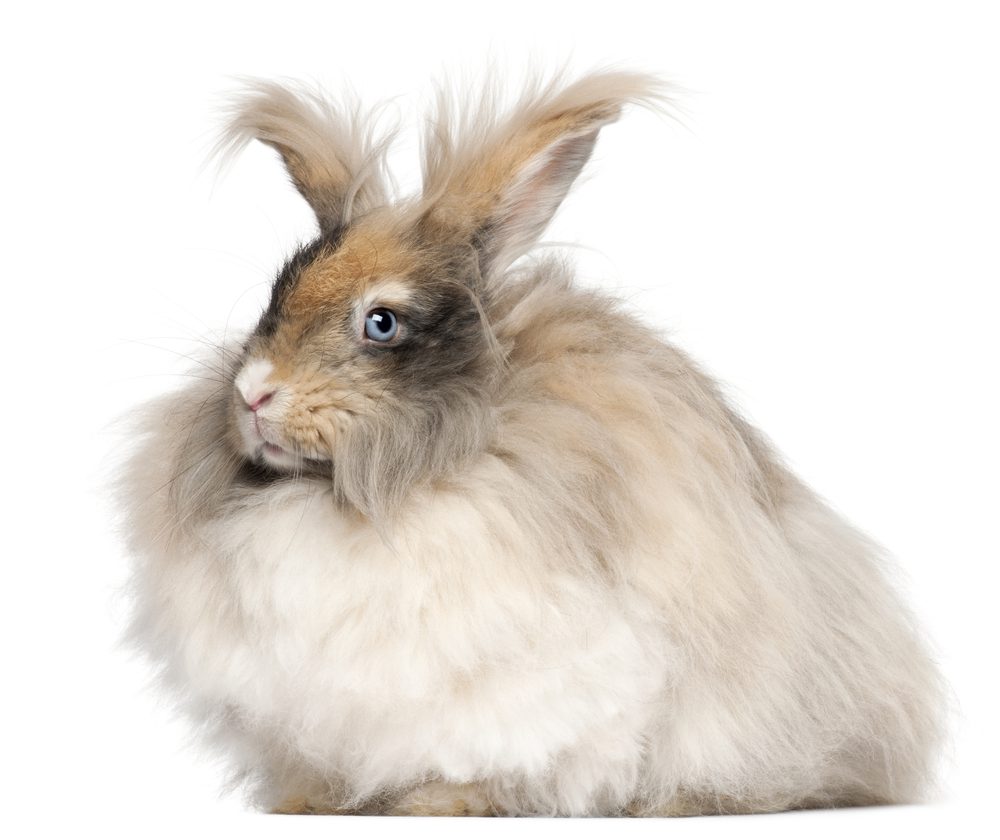
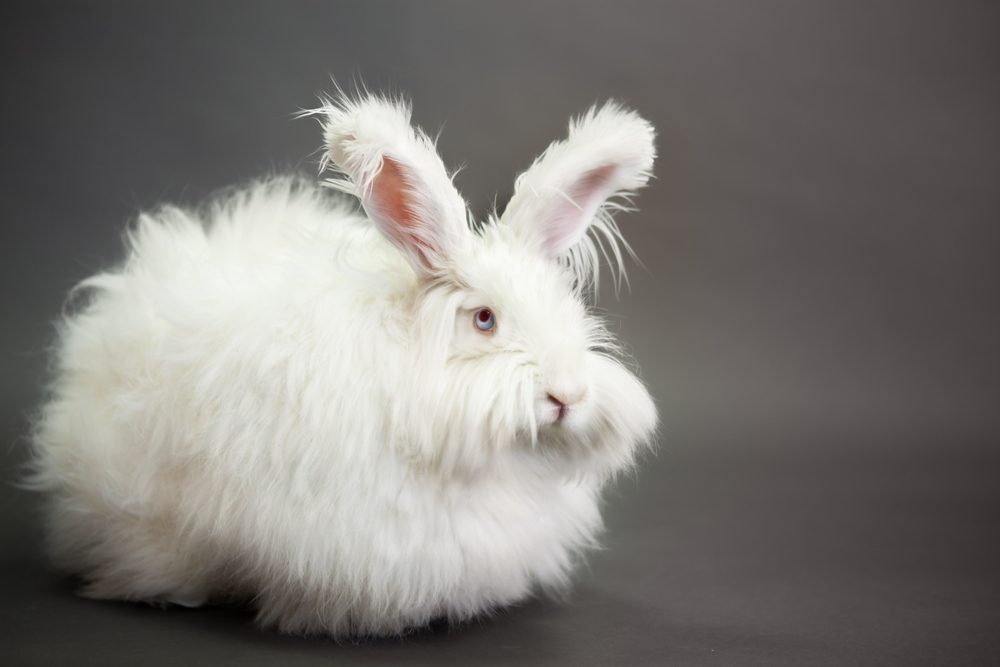
Where Angora rabbits create an additional allergy risk is through surface area and dispersal. The Angora’s long, dense wool traps and holds much more shed material, dander, and saliva residue than a short coat. This accumulated material disperses gradually as the rabbit moves, grooms, and is handled — creating a more sustained and diffuse allergen presence in the environment. The voluminous coat also makes thorough allergen removal during grooming more difficult.
Additionally, the necessary hay environment that all rabbits require — particularly the daily supply of timothy hay — is itself a common allergen source. Timothy hay contains dust and pollen that trigger reactions in many people independently of the rabbit itself. Some owners who believe they are allergic to their rabbit are actually reacting to the hay. Switching to orchard grass hay, which has different pollen content and is generally less dusty than timothy, helps some allergy-sensitive owners reduce their symptoms meaningfully.
Board-certified allergist Dr. Sonia Cajigal notes that rabbit allergy symptoms resemble other pet allergies and affect multiple body systems — nasal symptoms, eye irritation, skin reactions, and in some individuals, asthma exacerbation.
Allergy Symptoms Associated with Rabbit Exposure
Common symptoms following exposure to rabbit allergens include sneezing, runny or congested nose, itchy or watery eyes, skin redness or hives where the rabbit was held, coughing, and, in individuals with asthma, worsening of respiratory symptoms. Symptoms typically appear within minutes of exposure in sensitized individuals.
If you are uncertain whether your symptoms are caused by the rabbit or by other environmental factors (hay, bedding, cleaning products used near the enclosure), an allergist can perform skin prick testing or specific IgE blood tests to identify the precise allergen responsible. This distinction matters practically — if the reaction is to hay rather than to the rabbit, a relatively straightforward solution is available.

Practical Steps for Allergy-Sensitive Rabbit Owners
If you have mild to moderate pet allergies and are committed to keeping a rabbit, the following measures reduce allergen exposure meaningfully. They will not eliminate risk, but they can lower it to a manageable level for many individuals.
Grooming: Regular grooming removes loose fiber, dander, and shed material before it disperses into the living environment. Grooming should be done outdoors when possible, or in a well-ventilated area. The person with the allergy should not perform the grooming — a non-allergic household member is a significantly better choice for this task.
For complete grooming technique guidance relevant to Angora rabbits, see our Angora Rabbit Grooming guide.
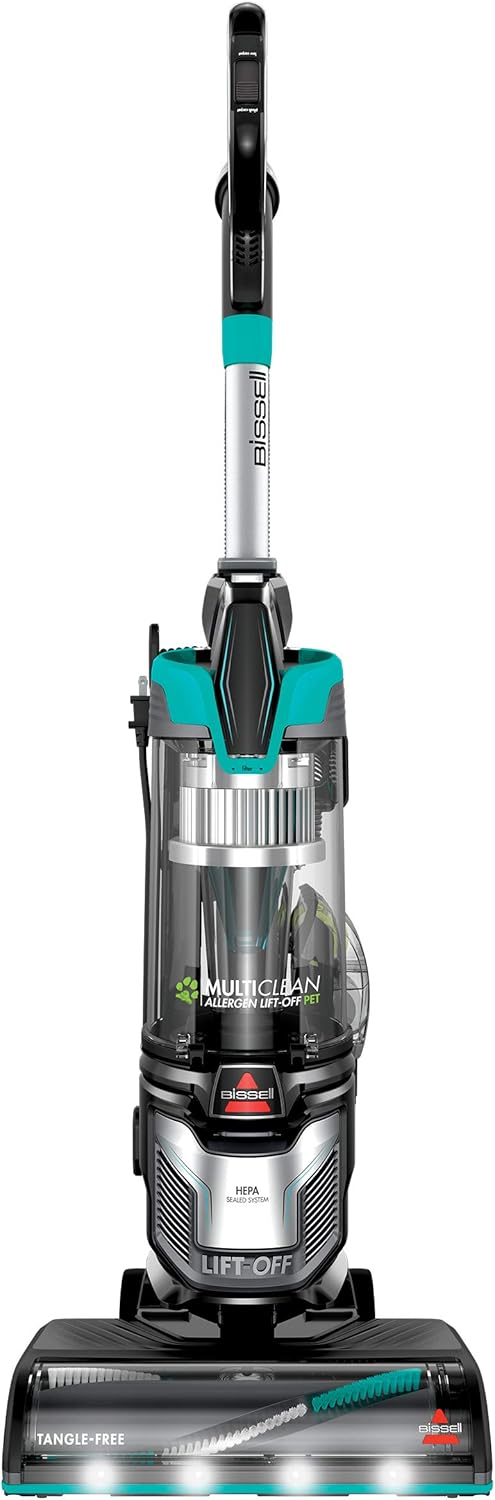
HEPA filtration air purifier: An air purifier with high-efficiency filtration placed in the room where the rabbit lives and in the bedroom significantly reduces airborne allergen particle concentration.

Enclosure hygiene: Clean the rabbit’s enclosure, litter box, and bedding at least weekly — more frequently if symptoms persist. Dried urine is a concentrated allergen source; prompt removal of soiled material limits its dispersal as dust. The person with the allergy should not clean the enclosure without a high-filtration mask.
Hand washing: Wash hands thoroughly after handling the rabbit, its bedding, or its enclosure accessories. Avoid touching the face before washing.
Designated rabbit-free zones: Keep at least the bedroom a strictly rabbit-free zone. This ensures eight or more hours per night in a lower-allergen environment, which means that total exposure time is meaningfully reduced.
Hay alternatives: If timothy hay appears to be contributing to symptoms, try orchard grass hay as an alternative. Both support the rabbit’s digestive needs and dental health. Store hay in a sealed container rather than open bags to reduce ambient dust in the living space.
Allergy testing and medical advice: Before acquiring a rabbit, spend extended time with one in a home environment (not just a brief visit). Visit a friend who keeps a rabbit, or spend time at a rabbit shelter, and observe your reaction over several hours. If you suspect you are allergic, consult a board-certified allergist before bringing a rabbit home. Allergen immunotherapy — allergy shots — is an option some individuals pursue to reduce sensitivity over time.
Which Rabbit Breeds Are Better for Allergy Sufferers?
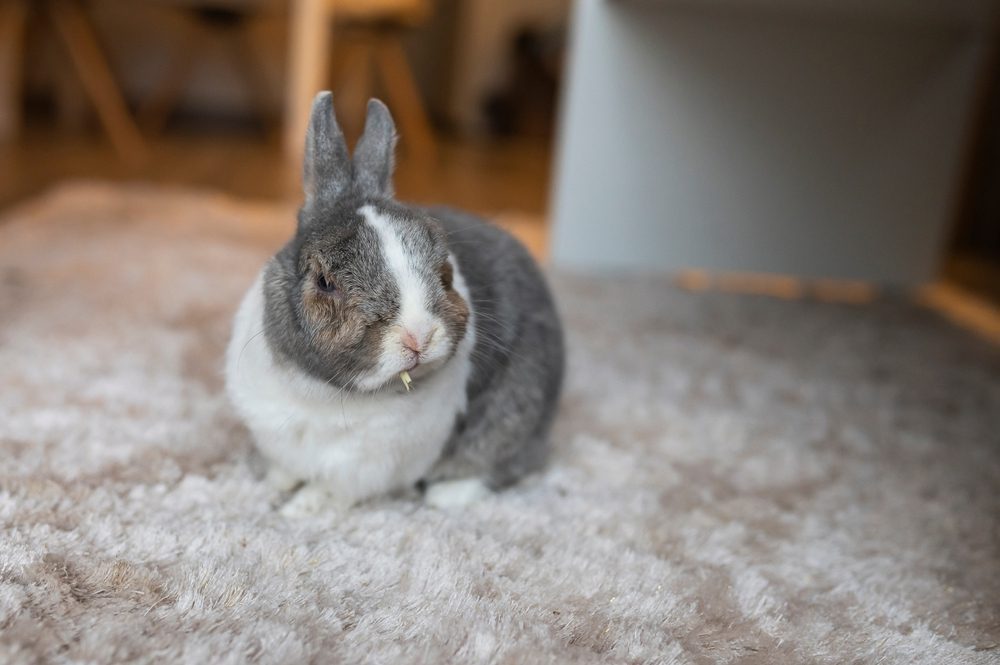
No rabbit breed is hypoallergenic. However, breeds with shorter, denser coats — such as the Rex and Mini Rex — shed less fiber and accumulate less allergen-laden debris in their coats than long-wooled breeds. This makes the allergen dispersal pattern more predictable and easier to manage through regular grooming.
Angora breeds, with their long wool coats, represent the most challenging end of the spectrum for allergy-sensitive owners. This does not mean Angora rabbit ownership is impossible for someone with mild allergies — it means the management burden is higher. The grooming commitment required for an Angora rabbit’s coat also means more frequent handling of a primary allergen source, which is a practical consideration for any allergic owner.
If you have moderate to severe pet allergies and are drawn to Angora rabbits specifically, a candid conversation with your allergist before acquiring one is the most sensible starting point.
FAQs
Are rabbits hypoallergenic?
No. No rabbit breed is truly hypoallergenic. All rabbits produce allergenic proteins in their saliva, urine, and dander. Some breeds may be somewhat easier to manage for allergy sufferers due to lower shedding, but none eliminate the risk of allergic reaction.
What actually causes rabbit allergies — is it the fur?
Rabbit fur is not itself the allergen. The allergenic proteins are found in rabbit saliva, urine, and skin flakes (dander). Saliva is the most potent source. When rabbits groom themselves, saliva proteins transfer to the fur, which then disperses the allergens into the environment. Short-haired and long-haired rabbits produce similar quantities of these proteins — the difference is how efficiently the coat collects and disperses them.
Are Angora rabbits worse for people with allergies?
Potentially yes — not because they produce more allergenic proteins, but because their long, dense wool collects and holds more allergen-carrying material than short coats, creating a more sustained dispersal pattern. The hay environment required for all rabbits is also a common allergen source that many owners overlook.
Can I be allergic to hay rather than the rabbit?
Yes. Timothy hay is a common allergen due to its dust and pollen content. If your symptoms appear primarily when handling hay or cleaning the enclosure rather than when handling the rabbit directly, hay allergy is worth investigating. An allergist can confirm this with specific testing. Orchard grass hay is an alternative worth trying if hay is the suspected culprit.
What can I do to reduce rabbit allergens in my home?
Key measures include regular grooming by a non-allergic person outdoors or in a ventilated space, an air purifier with high-efficiency filtration in the rabbit’s room and the bedroom, weekly cleaning of the enclosure and litter box, hand washing after any rabbit contact, and keeping the bedroom rabbit-free. No combination of measures eliminates allergen exposure, but together they can reduce it to a manageable level for many individuals with mild allergies.
How do I know if I’m allergic to my rabbit?
An allergist can perform skin prick testing or specific IgE blood tests to confirm rabbit allergen sensitivity. Testing is the most reliable way to determine whether reactions are caused by the rabbit itself, by the hay, or by other environmental factors. Self-testing by spending several hours in a home with a rabbit before acquiring one provides useful practical information, but is not a substitute for clinical testing if you have significant allergies.
Can allergy shots help with rabbit allergies?
Allergen immunotherapy (allergy shots) may be an option in select cases, depending on the specific allergens identified and the severity of symptoms. This is a conversation to have with a board-certified allergist. Not all allergen extracts for rabbits are equally available, and your allergist can advise on the clinical options relevant to your specific situation.
Conclusion
Rabbits are not hypoallergenic, and Angora rabbits — with their high-volume wool coats — present a more demanding allergen management situation than short-haired breeds. The underlying allergens are proteins produced in saliva, urine, and dander, not the fur itself, and they persist in the environment long after direct contact.
For someone with mild pet allergies who is genuinely committed to rabbit ownership, the combination of regular grooming, air filtration, consistent enclosure hygiene, and allergy medical management makes coexistence feasible for many individuals. The most important step before acquiring any rabbit is extended exposure testing and, for anyone with significant allergies, a conversation with an allergist first.
For further care guidance relevant to minimizing loose wool and dander in the home, see our Angora Rabbit Grooming guide and our Angora Rabbit Care Guide.
The information in this article is for general educational purposes and does not constitute medical or veterinary advice. Anyone with allergy concerns should consult a board-certified allergist. See our disclaimer for full details.