Angora Wool: What Rabbit Wool Is and How It’s Harvested
How we researched this guide: In November 2026 we checked every fact in this article against the American Rabbit Breeders Association (ARBA) breed descriptions and general fiber references. Anything we could not verify, we left out. See our editorial policy. Last reviewed: November 2026.
Quick answer: Angora wool is the soft, fluffy fiber that comes from the coat of the Angora rabbit. It is the answer to “what is rabbit wool called?” It is not the same as mohair, which comes from the Angora goat. Angora fiber is prized for its softness and its fuzzy “halo,” and it is usually spun with other fibers because pure angora felts easily and has little stretch.
What Is Angora Wool?
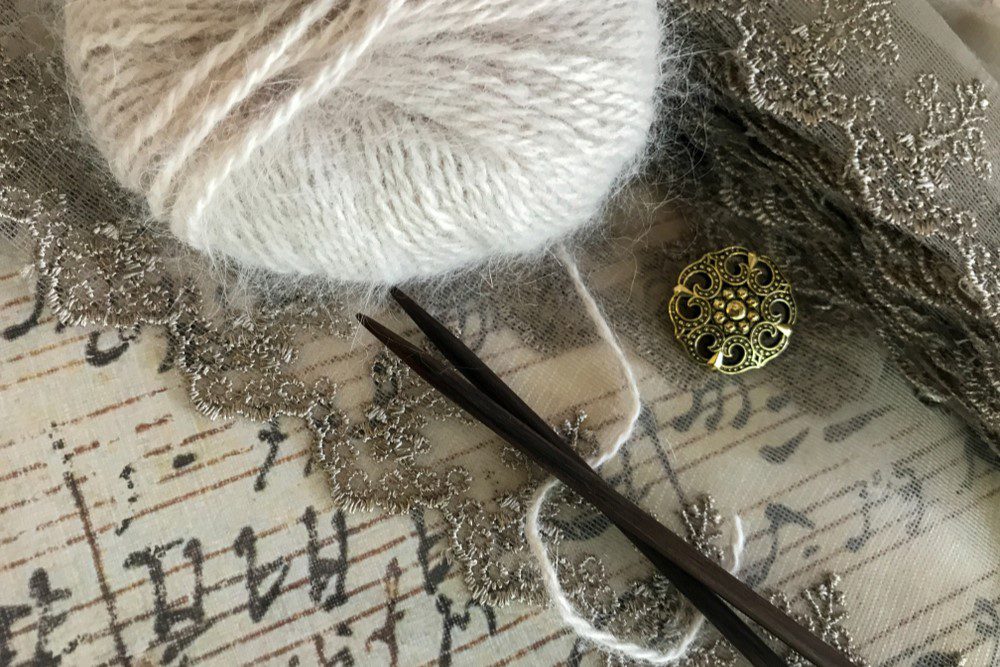
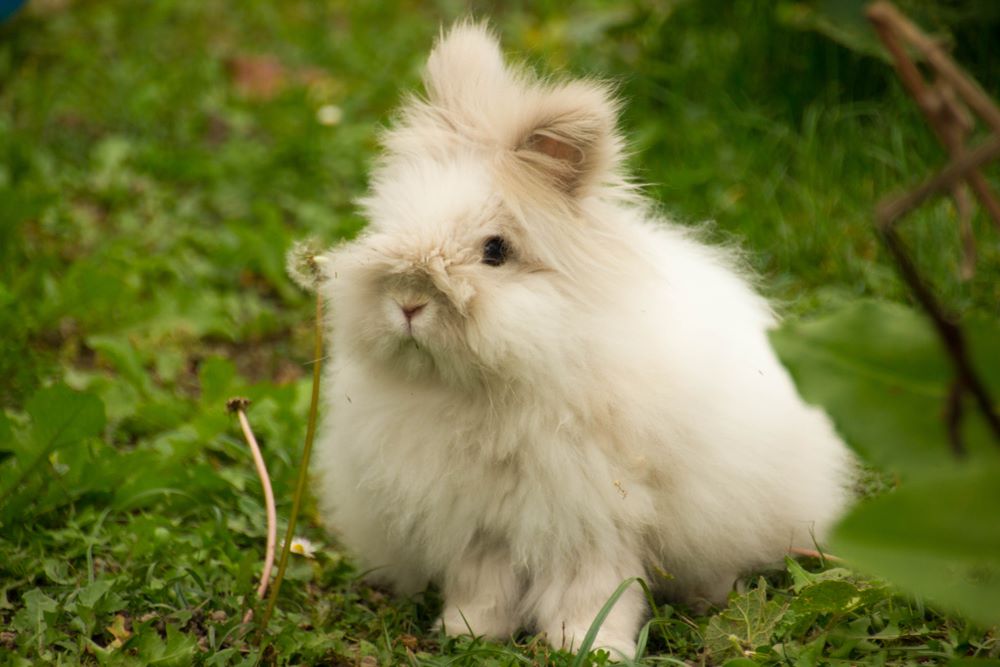
Angora wool, often just called “angora,” is the downy coat of the Angora rabbit. Rabbits don’t grow wool in the sheep sense, so you will also see it called angora fiber or angora hair. All of these names mean the same thing: fiber that has been harvested from an Angora rabbit’s coat and then spun into yarn.
The name causes plenty of mix-ups. “Angora” is used for three different animals: the Angora rabbit, the Angora goat and the Angora cat. Only the rabbit gives angora wool. The goat’s fleece is sold as mohair, and the cat isn’t a fiber animal at all.
Which Rabbits Produce Angora Wool?
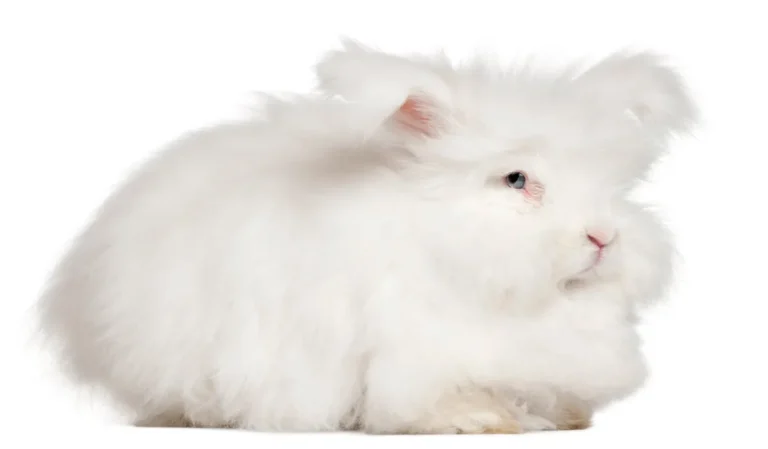
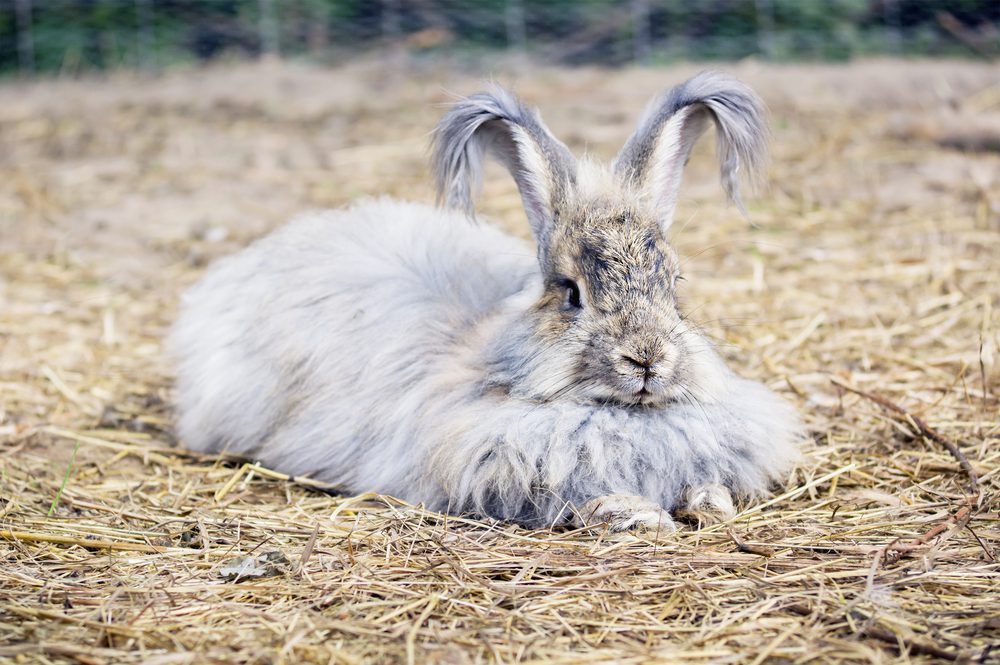
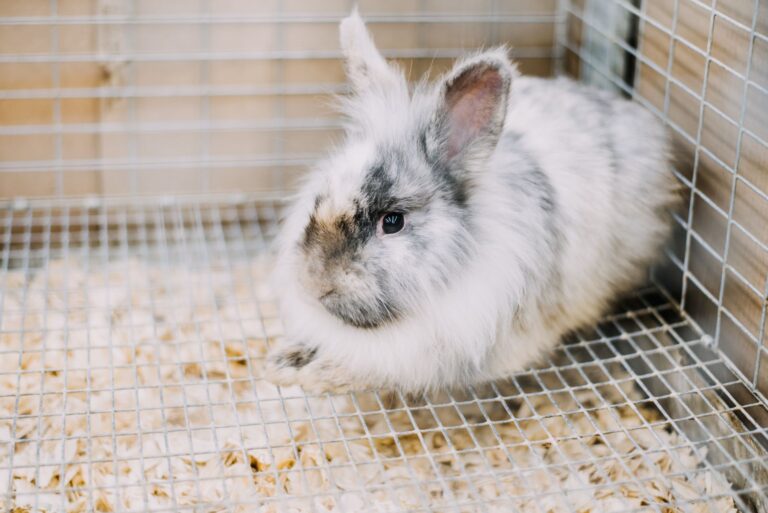
In the United States, the ARBA recognizes four Angora breeds: the English, French, Giant and Satin Angora. Each gives a slightly different fiber, which is why spinners often have a favorite.
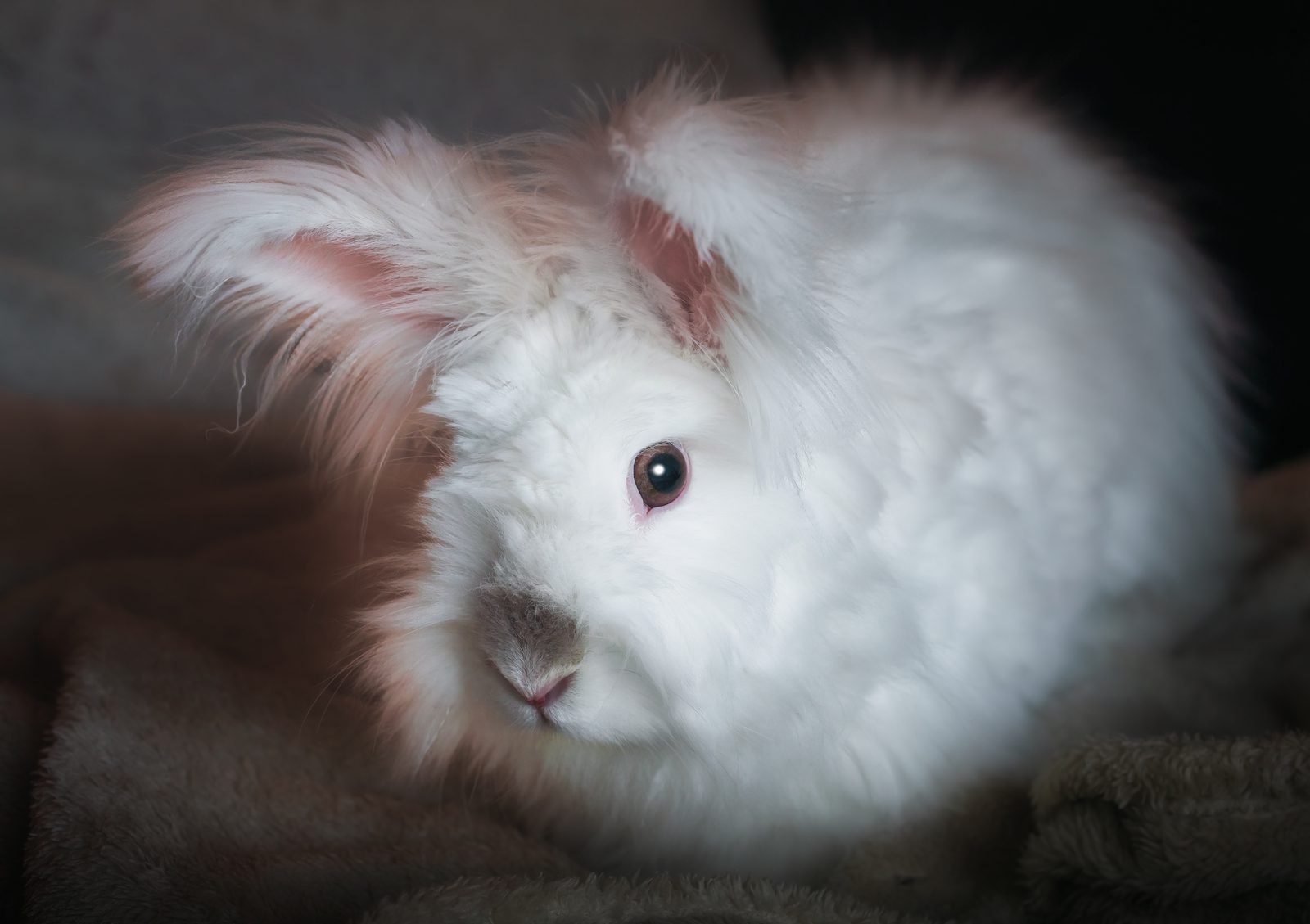
- English Angora: ARBA describes its coat as a “silky, luxurious wool” that is sought after for spinning. It is the only Angora classed as a compact breed, with a maximum weight of 7.5 lb. Read our English Angora guide.
- French Angora: ARBA notes its rising popularity thanks to its docile nature and its wool. Maximum weight is 10.5 lb. See our French Angora guide.
- Giant Angora: The largest of the four, bred specifically for wool. ARBA says its coat has three fiber types (underwool, awn fluff and awn hair) and that it must be shorn, because it does not molt. More in our Giant Angora guide.
- Satin Angora: The fourth ARBA-recognized Angora breed.
For a wider look, including breeds that aren’t recognized in the US, see Wool Rabbit Breeds: The Complete Guide.
What Makes Angora Fiber Special?
- Softness: Angora is known for being very fine and soft to the touch.
- The halo: Knitters love the fuzzy “halo” that angora yarn gives a finished piece.
- Warmth for its weight: Angora is often described as warm and light.
- Low stretch: Angora fiber isn’t naturally elastic, so it is often blended with wool or other fibers to help garments hold their shape.
- Easy felting: Angora felts easily through rubbing and moisture. That is great for felting projects and a nuisance for washing.
Want to knit or spin with it? Our Angora Rabbit Yarn guide covers spinning, knitting and buying yarn.
How Is Angora Wool Harvested?
Most Angora rabbits shed their coat in cycles, so the wool is harvested every few months. There are three common methods:
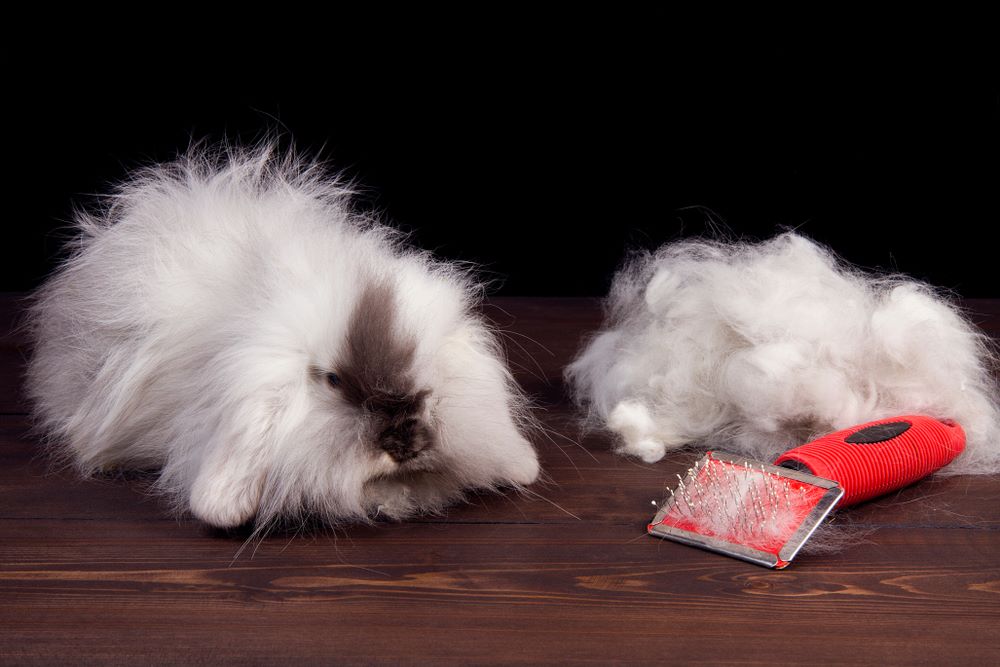
- Plucking: gently pulling out loose fiber during a natural molt. Done properly, the hair being removed is already coming loose.
- Combing: collecting loose fiber with a comb while grooming.
- Shearing: cutting the coat with scissors or clippers. It is faster and works for breeds that don’t molt, such as the Giant Angora, but the fiber includes more guard hair.
How the wool is harvested is also the biggest welfare question in the angora trade. We cover it in detail, including what to look for when you buy, in Angora Wool and Rabbit Welfare. If you keep Angoras yourself, our guide to raising Angora rabbits for wool walks through it step by step.
Angora Wool vs Mohair
They sound alike but come from different animals. Angora comes from the Angora rabbit; mohair comes from the Angora goat. If a label says “angora,” it should mean rabbit fiber. If it says “mohair,” it is goat fiber.
Why Angora Coats Need So Much Care
The same qualities that make angora lovely to knit make the coat hard work on a live rabbit. Because it felts so easily, an Angora that isn’t groomed regularly can develop mats close to the skin. Long wool can also be swallowed during grooming, which is why owners watch for wool block. Our Angora grooming guide explains a routine that keeps the coat (and the rabbit) comfortable.
Frequently Asked Questions
What is rabbit wool called?
Wool from rabbits is called angora, because it comes from the Angora rabbit. You may also see it called angora fiber or angora hair.
Is angora wool from goats or rabbits?
Angora wool comes from Angora rabbits. Fiber from Angora goats is called mohair.
Which rabbit breeds produce angora wool?
The ARBA recognizes four Angora breeds in the US: English, French, Giant and Satin Angora.
How is angora wool collected?
By plucking loose fiber during a molt, combing it out during grooming, or shearing. Breeds that do not molt, such as the Giant Angora, must be shorn.
Why is angora yarn usually blended?
Angora is not naturally elastic and felts easily, so it is often blended with other fibers to help garments keep their shape.