Angora Wool and Rabbit Welfare: Plucking, Shearing and What to Buy
How we researched this guide: In October 2026 we checked every fact in this article against news coverage of the 2013 retailer bans, Wikipedia’s sourced entries on Angora wool and the Angora rabbit, and our own breed guides. Anything we could not verify, we left out. See our editorial policy. Last reviewed: October 2026.
Quick answer: Angora is wool, not fur. It is harvested from a living rabbit by plucking or shearing, every three to four months. The welfare concerns come mainly from 2013 undercover footage in China, which showed workers ripping wool from rabbits. Many retailers stopped selling Angora after it. Well-kept Angoras actually need their wool removed regularly to stay healthy.
Angora Wool vs Angora Fur
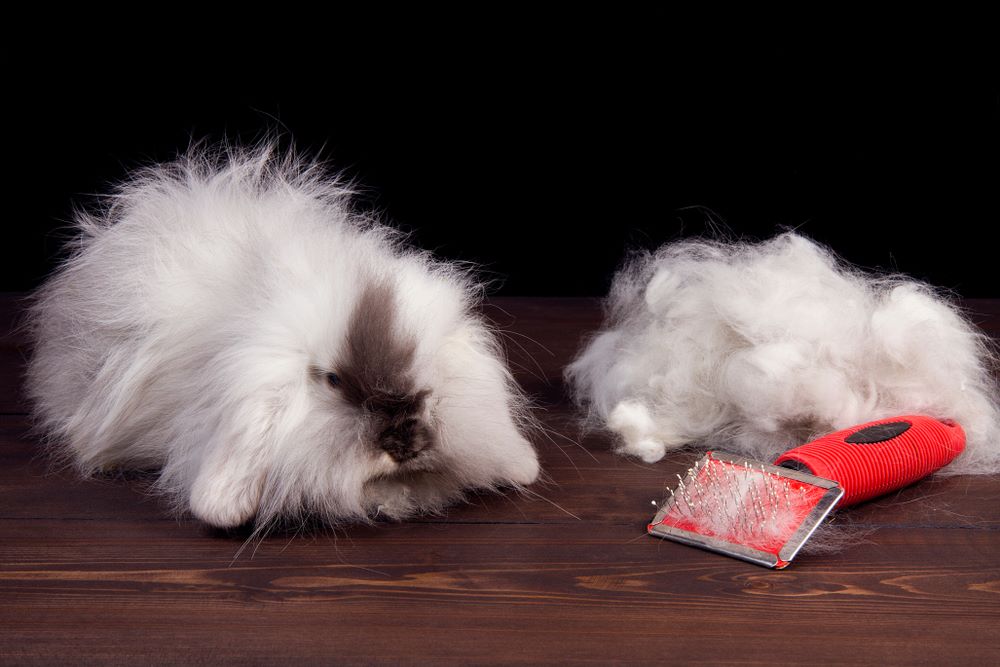
People often search for “Angora rabbit fur”, but Angora is a wool. The rabbit is not killed for it. The fibre is collected from a live rabbit and grows back, and it is harvested every three to four months throughout the year (source).
Why Angoras Need Their Wool Removed
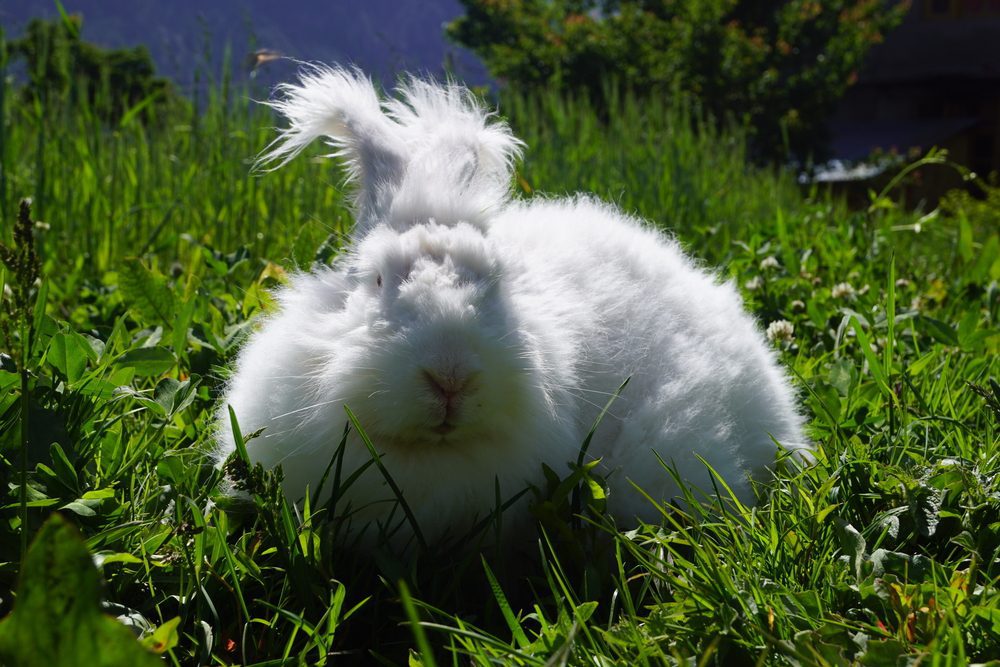
An Angora’s coat keeps growing. If it is not groomed and harvested, it mats and felts, which causes discomfort and can lead to pain and infection. Angoras are also prone to wool block, a potentially life-threatening blockage of the gut (source). So harvesting wool is part of caring for the rabbit, not only a way to make yarn.
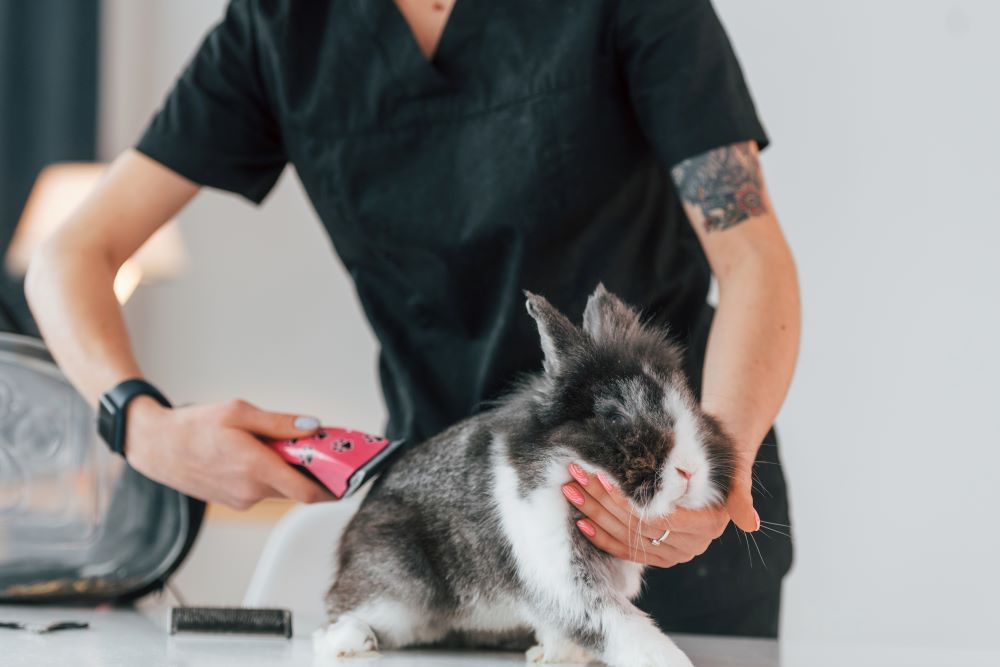
Plucking and Shearing Compared
| Method | How it works | Good to know |
|---|---|---|
| Plucking | Loose wool is gently pulled out when the rabbit is moulting | Gives fibre with the least guard hair. Most Angora breeds moult about every four months. |
| Shearing | Wool is cut with scissors or clippers | Faster. The fleece is slightly lower quality. German Angoras do not moult, so they are sheared. |
Details in this table come from Wikipedia’s Angora wool entry. The key welfare point is that plucking should only remove wool the rabbit is already shedding. The 2013 footage showed something very different: wool being ripped from the skin.
Thinking about doing it yourself? Read can Angora rabbits be shaved and raising Angora rabbits for wool first.
The 2013 Investigation and Retailer Bans
In late 2013, PETA released undercover video filmed on Angora farms in China. It showed workers violently ripping fur from rabbits’ skin while the animals appeared to scream in pain. In December 2013, Fashion Network reported that ASOS had banned Angora permanently, and that Arcadia Group, Marks & Spencer, Next, Primark, New Look and Ted Baker had stopped or suspended new Angora orders.
China supplies most of the world’s Angora, with about 90% of production by one estimate. Europe, Chile and the United States produce small amounts (source).
How to Buy Angora Yarn More Responsibly
If you want Angora fibre, small breeders and spinners who keep their own rabbits are the easiest to check. Before you buy, ask:
- How is the wool harvested: plucked during the moult, or sheared?
- How many rabbits do you keep, and can I see how they live?
- Where does the fibre come from, if you didn’t harvest it yourself?
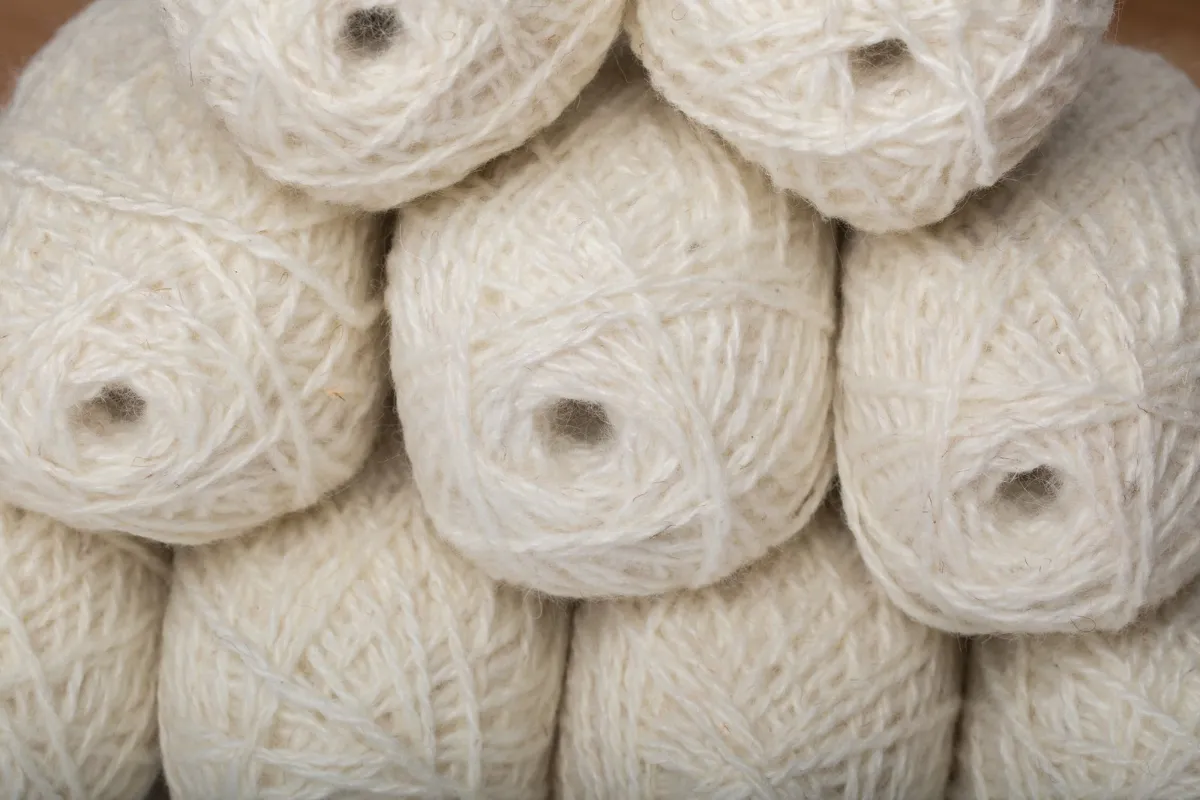
A seller who answers clearly and openly is a good sign. Our Angora rabbit yarn guide and directory of breeders can help.
Frequently Asked Questions
Is Angora wool cruel?
It depends on how the rabbits are kept and how the wool is harvested. The 2013 footage from China showed cruel practices. Well-kept Angoras need their wool removed regularly to stay healthy.
Are Angora rabbits killed for their wool?
No. Angora is a wool harvested from living rabbits every three to four months. It grows back.
What is the difference between plucking and shearing?
Plucking removes loose wool during the moult. Shearing cuts the wool and is faster, but gives slightly lower-quality fleece. German Angoras do not moult, so they are sheared.
Which retailers stopped selling Angora?
In December 2013, ASOS banned Angora, and Arcadia Group, Marks & Spencer, Next, Primark, New Look and Ted Baker stopped or suspended new orders.
Where does most Angora wool come from?
Most comes from China, which produces about 90% of the world’s Angora by one estimate.