Are Rabbits Omnivores? The Complete Answer About Rabbit Diet Classification
No. Rabbits are not omnivores. They are obligate herbivores — meaning they must eat a plant-based diet to survive, and their digestive systems are specifically built for plant fiber processing, not animal protein digestion.
This is not a matter of preference or dietary choice. The rabbit’s entire gastrointestinal anatomy, digestive enzyme profile, dental structure, and gut microbiome are optimized for high-fiber plant material. Feeding meat or animal-derived foods to a rabbit is not simply unnecessary — it actively disrupts the gut flora balance, risks gastrointestinal stasis, and, in sufficient quantities, can cause enterotoxemia, a potentially fatal bacterial overgrowth condition.
This article explains exactly why rabbits are herbivores, what obligate herbivory means anatomically, why some rabbit owners observe behavior that seems to contradict this classification, and what the correct diet for a domestic rabbit actually looks like.
What Is an Obligate Herbivore?
The term obligate herbivore means an animal that must eat plant material to survive — not simply one that prefers plants, but one whose physiology cannot function adequately on any other dietary basis.
Three categories of feeding classification matter here:
Carnivore: An animal that eats primarily or exclusively animal flesh. Examples: cats (obligate carnivores), ferrets.
Omnivore: An animal whose digestive system can process both plant and animal material effectively. Examples: dogs, bears, humans, pigs.
Herbivore: An animal whose digestive system is built for plant material and cannot effectively process animal protein. Examples: rabbits, horses, cattle, sheep.
The obligate qualifier means the herbivory is physiologically enforced — it is not a preference that varies by circumstance. A rabbit placed in an environment with only animal protein available would starve rather than thrive on that protein, because its digestive system lacks the capacity to extract adequate nutrition from it.
The Anatomy That Makes Rabbits Herbivores
Teeth Structure
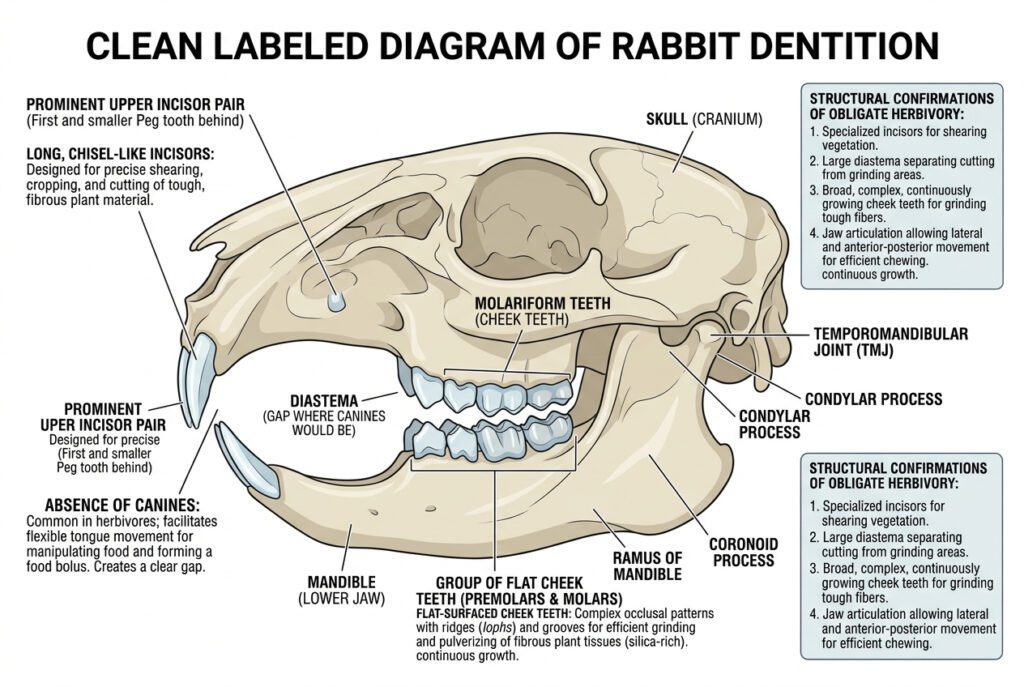
Rabbit dentition is exclusively designed for plant material:
- Incisors: Two pairs (upper and lower) — large, chisel-shaped, and continuously growing throughout life. Designed for cropping vegetation at the surface.
- Diastema: A gap between the incisors and cheek teeth where carnivore and omnivore species have canine teeth for gripping and tearing meat. Rabbits have no canine teeth.
- Cheek teeth (premolars and molars): Wide, flat grinding surfaces that move laterally — ideal for grinding fibrous plant material. The opposite of the shearing carnassial teeth of meat-eating animals.
The absence of canine teeth and the presence of a diastema is one of the most reliable anatomical indicators of obligate herbivory in mammals. A rabbit’s dentition is simply not equipped to process meat effectively, even if the rabbit attempted to eat it.
Digestive System
The rabbit’s gastrointestinal tract is a high-fiber fermentation system — one of the most specialized among domestic mammals:
Large cecum: The rabbit’s cecum (the appendix equivalent in humans) is proportionally enormous — approximately 40% of total gut volume. It functions as a fermentation chamber where specialized bacteria break down plant cellulose into volatile fatty acids that the rabbit can absorb as energy. This fermentation system is highly efficient at extracting nutrition from fibrous plant material and catastrophically intolerant of disruption.
Cecotrophy: Rabbits produce two types of feces — hard, round fecal pellets and soft, nutrient-rich cecotropes. Cecotropes are produced in the cecum and re-ingested directly from the anus, typically at night. This double-digestive process allows the rabbit to recover nutrients — particularly B vitamins, protein, and volatile fatty acids — that were not fully absorbed in the first passage. This behavior is not optional or abnormal — it is a physiological necessity. Disruption of cecotrope production or re-ingestion leads to nutritional deficiency.
Gut motility dependence: The rabbit’s digestive system requires continuous movement of fibrous material through the gut to maintain motility. Without constant hay intake, gut motility slows — a condition called gastrointestinal stasis (GI stasis) — which is the most common life-threatening emergency in domestic rabbits. This dependence on continuous fiber intake is the opposite of what a meat-based diet provides.
Digestive enzymes: Rabbit digestive enzymes are predominantly amylase, maltase, and pectinase — all designed for plant carbohydrate breakdown. The protease enzyme profile (for protein breakdown) is limited compared to omnivores and carnivores.
Why Do Some Rabbits Appear to Eat Non-Plant Foods?
Occasional reports from rabbit owners of rabbits eating insects, small amounts of meat, or other animal material do not change the rabbit’s classification as an obligate herbivore.
Several factors explain these observations:
Opportunistic ingestion: Rabbits are curious animals and may mouth or ingest unfamiliar objects that come within reach, including small insects. A rabbit ingesting a moth or small insect is not exhibiting omnivorous behavior — it is exhibiting the same exploratory mouthing behavior that sometimes causes rabbits to chew electrical cords, cardboard, or other non-food items.
Cecotrope consumption: Rabbit owners who observe their rabbit eating something from the rear of its body and mistake this for unusual behavior are observing normal cecotrope re-ingestion — a 100% plant-derived process.
Nutritional deficiency responses: There are documented instances of nutritionally deficient does consuming deceased kits from their litter. This is an extreme nutritional crisis response, not evidence of normal omnivorous dietary capacity. It does not make rabbits omnivores any more than a starving human eating grass makes humans herbivores.
The key physiological fact remains: a rabbit sustained on animal protein will develop severe digestive disruption, GI stasis, gut flora dysbiosis, and ultimately organ failure. The digestive system is not equipped to sustain life on animal nutrition.
What Rabbits Should Actually Eat
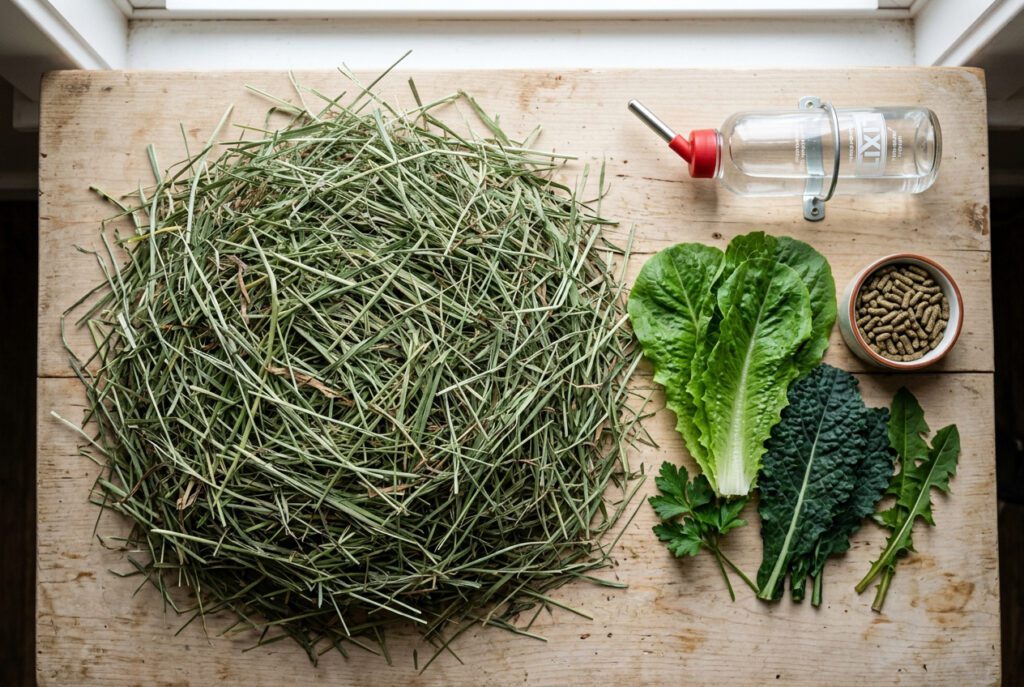
Understanding that rabbits are obligate herbivores tells us what their diet must contain: fiber, primarily from grass hay, supplemented with leafy greens and a measured amount of pellets.
The Correct Diet Hierarchy
1. Unlimited grass hay — 80 to 90% of the diet: Timothy hay is the standard recommendation for adult rabbits. Orchard grass, meadow hay, and oat hay are suitable alternatives. Hay provides the fiber that drives gut motility, wears down continuously growing teeth, and maintains the cecal fermentation environment. It must be available at all times — not rationed. A rabbit that runs out of hay, even briefly, faces GI stasis risk.
2. Minimum 17% protein pellets — measured daily: For Angora rabbits specifically, pellets must contain a minimum of 17% protein to support the elevated nutritional demand of continuous wool growth. Standard generic rabbit pellets at 12 to 16% protein are insufficient for Angora breeds. Confirm protein content on the label. Provide approximately ¼ cup per 4 to 5 pounds of body weight daily, adjusted for body condition.
3. Daily fresh leafy greens: Romaine lettuce, cilantro, parsley, dandelion greens, and similar leafy vegetables provide vitamins, minerals, and dietary variety. Introduce new greens one at a time in small quantities to monitor for digestive sensitivity.
4. Fresh water at all times: Water intake directly supports gut motility. A rabbit that is not drinking adequately is at elevated GI stasis risk.
What Never to Feed
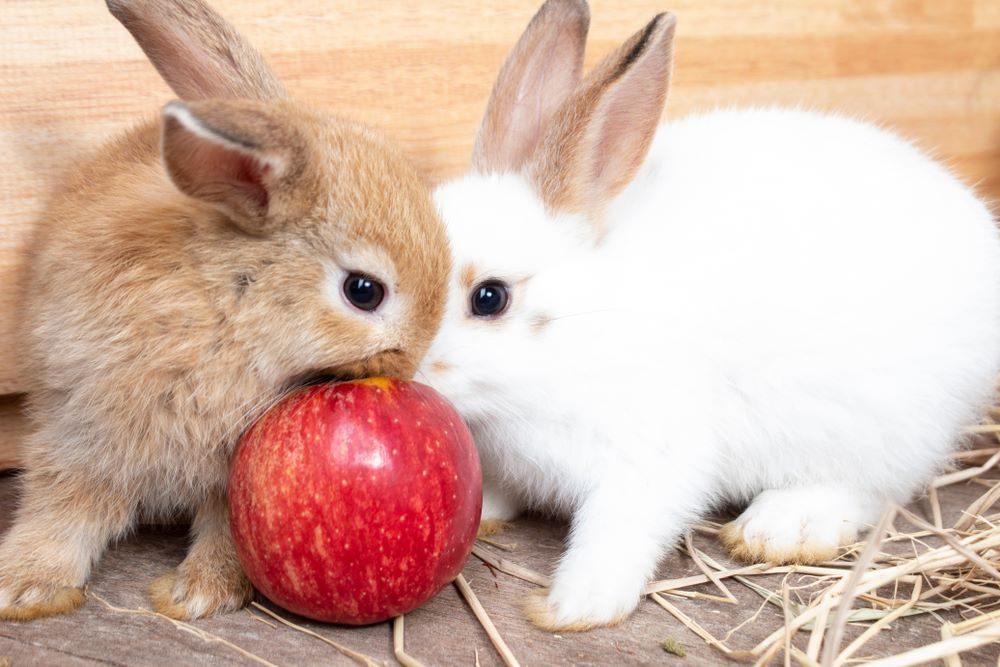
Never feed: Onion family (onion, garlic, leek, chive — cause hemolytic anemia), avocado (persin toxicity), rhubarb (oxalic acid), chocolate (theobromine), apple seeds or stone fruit pits (amygdalin → cyanide), any meat or animal-derived protein.
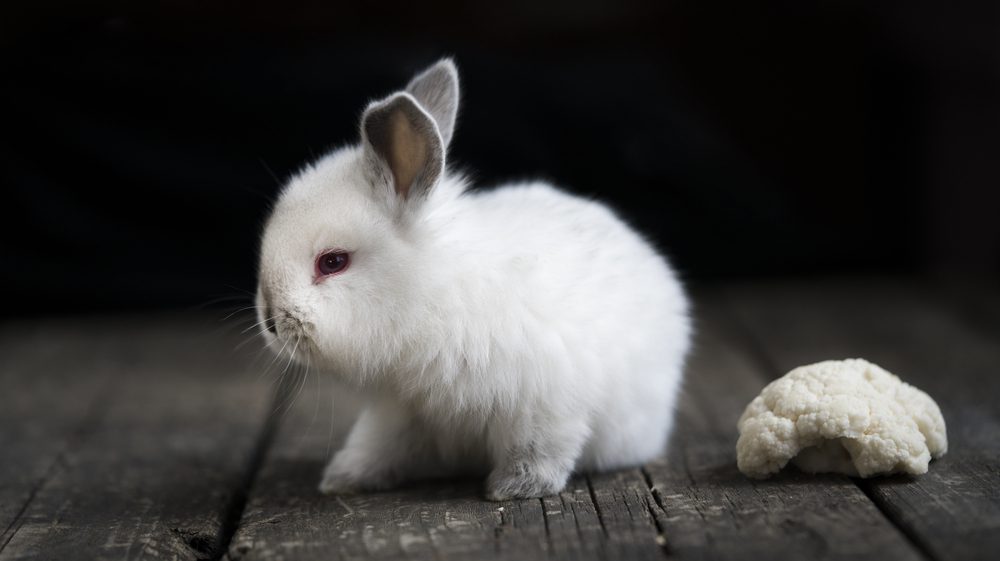
Never feed as a dietary staple: Carrots (high sugar — treat only), cauliflower (gas-producing raffinose fermentation), iceberg lettuce (excess lactucarium), sugary fruits in quantity.
FAQs
Are rabbits omnivores or herbivores?
Rabbits are obligate herbivores — they must eat plant-based material to survive. Their digestive anatomy, enzyme profile, and gut microbiome are specifically built for high-fiber plant material. They cannot thrive on animal protein, and feeding meat to a rabbit risks serious gastrointestinal illness.
Can rabbits eat meat?
No. Rabbit digestive enzymes and gut flora are not equipped to process meat safely. Meat feeding disrupts the cecal microbiome, risks bacterial overgrowth (enterotoxemia), and provides the wrong macronutrient profile for a system designed around plant fiber fermentation. Even small amounts of meat can cause digestive upset.
Why does my rabbit eat its own droppings?
Your rabbit is eating cecotropes — soft, nutrient-rich droppings produced in the cecum that are re-ingested directly from the anus. This cecotrophy is a normal, physiologically necessary behavior, not a hygiene problem. The cecotropes contain B vitamins, protein, and volatile fatty acids that the rabbit cannot absorb adequately in the first digestive pass.
What is the most important food for a rabbit?
Unlimited grass hay — primarily timothy hay for adults. Hay provides the continuous fiber intake that maintains gut motility, prevents GI stasis, and wears down the rabbit’s continuously growing teeth. No other single dietary element is more important.
Can rabbits eat vegetables every day?
Fresh leafy greens — romaine, cilantro, parsley, dandelion greens — should be offered daily as a dietary component, not a treat. High-sugar vegetables like carrots and starchy vegetables should be given sparingly as occasional treats. Vegetables are a supplement to hay, not a replacement for it.
Are Angora rabbits’ diet requirements different from those of other rabbit breeds?
Yes in one specific way: the minimum protein requirement in pellets is higher for Angora breeds. The continuous energy demand of wool growth requires a minimum of 17% protein in the pellet portion of the diet. Standard 12 to 16% protein generic rabbit pellets are insufficient for productive Angora wool growth.
Conclusion
Rabbits are obligate herbivores — classified by anatomy, evolutionary history, digestive physiology, and nutritional requirement, not by preference. The cecal fermentation system, the continuously growing teeth requiring fiber wear, the cecotrophy cycle, and the enzyme profile all point unambiguously to a species built entirely around plant material processing.
For domestic rabbit owners, this classification is directly actionable: unlimited hay, measured high-protein pellets, daily leafy greens, and fresh water form the complete dietary framework. Any deviation toward sugary treats, starchy foods, or animal protein works against the digestive architecture the rabbit actually has.
For the complete Angora rabbit diet guide, including the 17% protein pellet standard and safe food lists, see our Angora Rabbit Care Guide.
This article is for general educational purposes and does not constitute veterinary advice. See our disclaimer for full details.