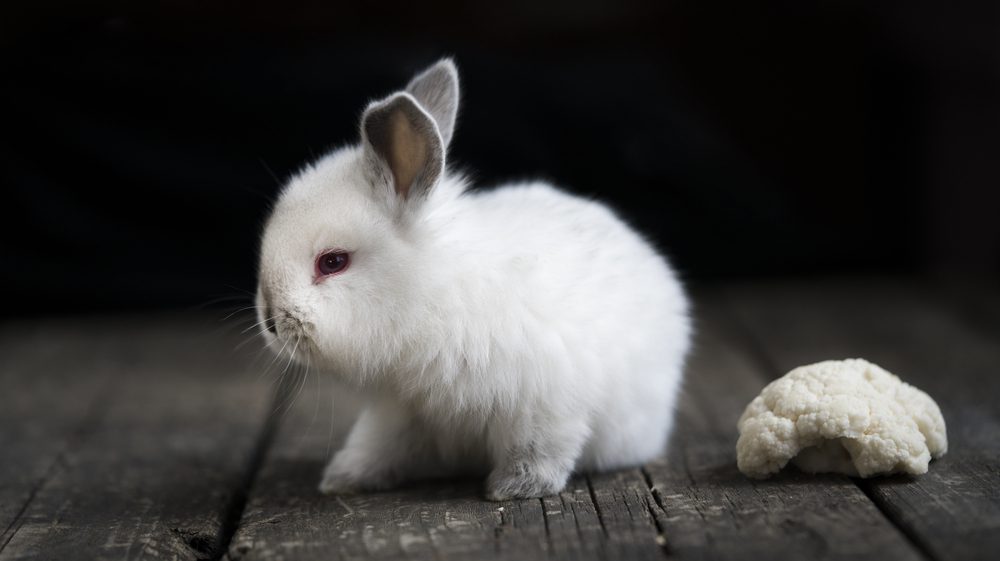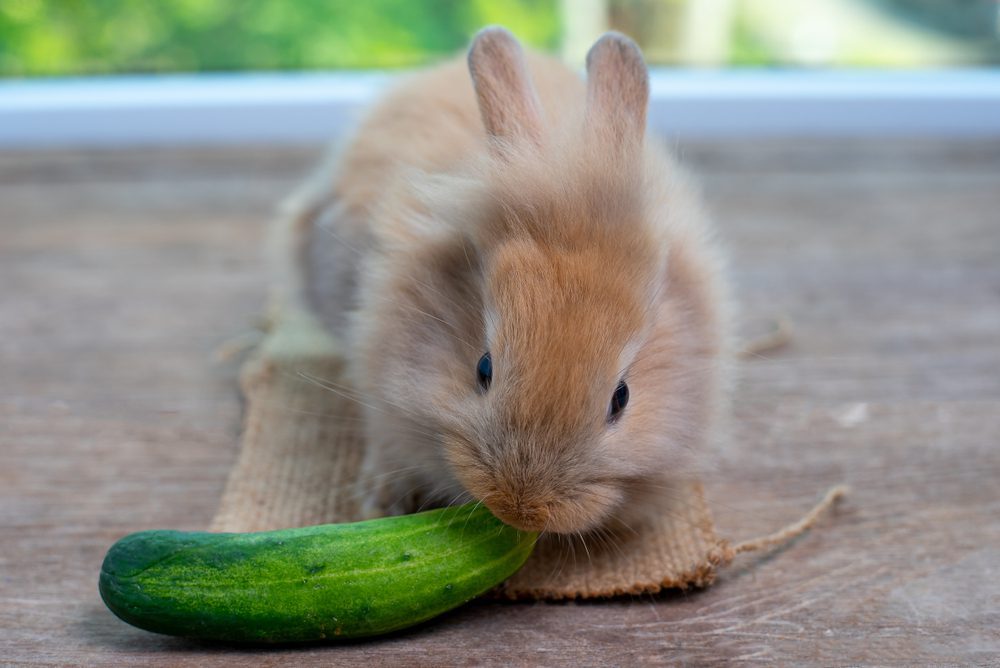
Can Rabbits Eat Carrots? The Facts Behind the Myth
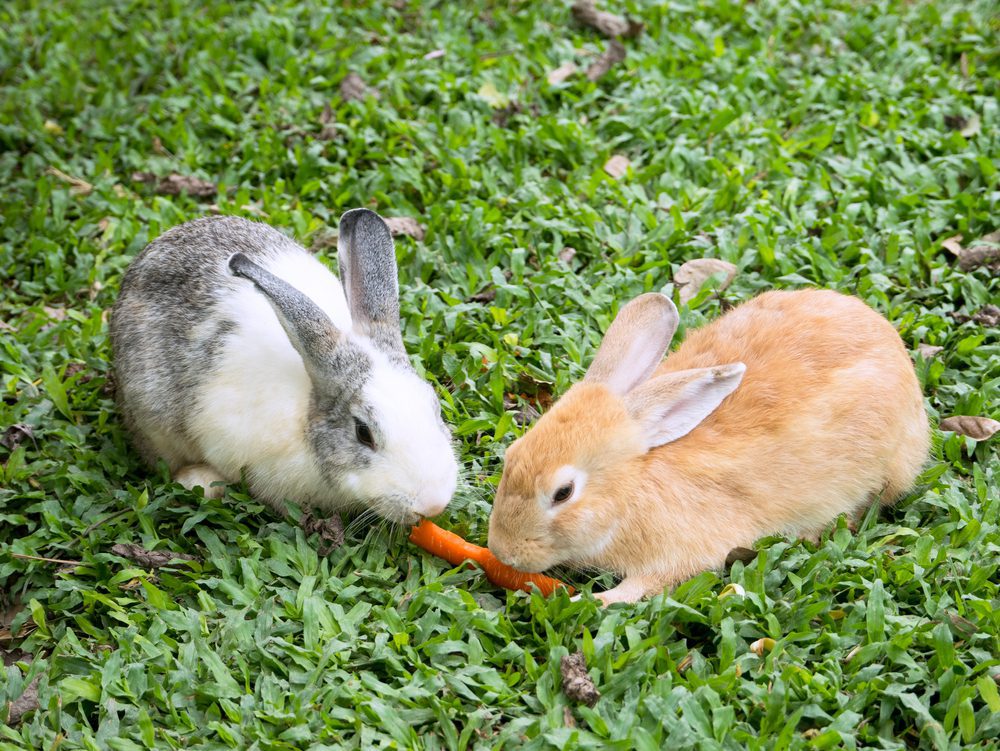
Yes — rabbits can eat carrots. Carrots are not toxic to rabbits and will not cause harm when offered in small quantities. But the image of a rabbit enthusiastically munching on a full carrot — familiar from decades of cartoons and popular culture — is misleading in a way that matters for rabbit health. Carrots are high in sugar and low in the fiber that forms the actual foundation of a rabbit’s diet. For rabbits in general, and for Angora rabbits in particular, they belong in the treat category — not the vegetable category.
This guide explains the nutritional facts behind carrots, how much is appropriate and how often, what the actual dietary priorities are for a healthy rabbit, and where carrots fit within the broader picture of Angora rabbit nutrition.
What Carrots Actually Contain
Carrots are a root vegetable with a nutritional profile shaped by their role as energy storage organs for the carrot plant. They contain meaningful quantities of beta-carotene (which the body converts to vitamin A), potassium, and antioxidants — genuine nutritional benefits. They also contain approximately 5 to 6 grams of sugar per 100 grams of raw carrot and relatively modest amounts of fiber compared to the grasses and leafy plants that form a wild rabbit’s natural diet.
For a domestic rabbit, the sugar content is the key number. Rabbits evolved eating predominantly grasses, hay, and leafy plant material — foods with high fiber content and very low sugar. The digestive system of a domestic rabbit is optimized for this type of diet. The cecum — a specialized fermentation chamber in a rabbit’s lower digestive tract — relies on a consistent supply of fiber to maintain the bacterial populations that process food effectively. High-sugar foods disrupt this balance, can cause rapid bacterial population shifts, and in excess quantities produce digestive symptoms ranging from soft droppings and diarrhea to more serious GI disturbance.
This is why nutritionists and veterinarians who work with rabbits categorize carrots as a treat rather than a dietary vegetable — not because they are harmful in small amounts, but because their nutritional profile does not align with what a rabbit’s digestive system is designed to process in quantity.

Carrots and Angora Rabbit Nutrition: The Specific Concern
For Angora rabbits, carrot moderation has an additional dimension that does not apply to short-haired breeds. Angora rabbits require a minimum of 17% protein in their pellets to support the continuous energy demands of wool growth. This elevated protein requirement already means their diet is more precisely managed than a standard pet rabbit’s. Adding high-sugar foods competes for appetite space that should be occupied by the high-fiber hay and properly formulated pellets on which their coat growth depends.
An Angora rabbit that receives too many sweet treats may reduce its hay intake — the most critical component of the diet for gut motility and wool block prevention. Reduced hay intake means reduced gut motility, which means elevated wool block risk. This cascade is the practical reason why Angora rabbit owners are generally more attentive about treat quantity than owners of short-haired breeds.
Additionally, excess dietary sugar can contribute to weight gain. Obesity in Angora rabbits reduces mobility, compromises the rabbit’s ability to self-groom effectively, and increases the risk of sore hocks — all of which have direct consequences for coat health and overall well-being.
How Much Carrot Can a Rabbit Have?
The widely accepted guideline across rabbit nutrition resources is a piece of carrot approximately the size of a thumbnail — roughly one to two tablespoons of shredded or sliced carrot — offered no more than two to three times per week as a treat. This quantity provides the nutritional benefits of carrots without meaningfully disrupting dietary sugar balance.
A useful mental model: treats of all kinds combined should represent no more than approximately 5% of the total diet by volume. If your rabbit receives a carrot on a given day, it should not also receive other fruit or sweet treats that day.
Baby rabbits and young rabbits under three months of age should not receive carrots at all. The digestive systems of young rabbits are developing and are particularly vulnerable to dietary disruption. Introduce carrots only after three months of age, starting with very small quantities and monitoring for any digestive changes — loose droppings or reduced pellet consumption — in the 24 hours following introduction.
What About Carrot Tops?
Carrot tops — the green leafy portion of the carrot plant — have a different nutritional profile from the root and are suitable as a dietary green rather than a treat. They contain significantly less sugar than the root, are high in vitamins, and have a fiber content more appropriate to regular feeding. Carrot tops can be offered as part of the daily leafy green portion of the diet, though they should still be introduced gradually and offered in reasonable quantities alongside other leafy greens.
Carrot tops are one of the few parts of the carrot plant where the popular association between rabbits and carrots translates to something genuinely nutritious for the rabbit regularly.
The Real Foundation of a Rabbit’s Diet
Understanding what carrots are in context requires understanding what the actual dietary foundation looks like for a healthy rabbit.
Timothy hay — unlimited, always: Hay must be available at all times without restriction. It forms 80% or more of a healthy rabbit’s diet by volume and provides the fiber that drives gut motility, prevents wool block in Angora breeds, and maintains the dental wear that keeps continuously growing teeth at the correct length. A rabbit that is not eating significant quantities of hay is a rabbit with a dietary problem that will have health consequences.
High-quality pellets — measured daily: For Angora rabbits, pellets with a minimum 17% protein are required. The standard guideline is approximately ¼ cup per 4 to 5 pounds of body weight per day, but individual rabbits vary — monitor body condition (ribs palpable but not visible) and adjust accordingly. Pellets supplement hay; they do not replace it.
Fresh leafy greens — daily variety: Dark leafy greens such as romaine lettuce, cilantro, parsley, dandelion greens from unsprayed sources, and kale in small quantities provide vitamins and minerals that complement the pellet and hay diet. A general guideline is approximately one loosely packed cup of mixed greens per four to five pounds of body weight per day. Introduce new greens one at a time, monitoring for loose droppings.
Treats — occasional and measured: This category includes carrots, other root vegetables, and fruits. The total treat quantity for all treats combined should be small and infrequent. High-sugar items like bananas, grapes, and strawberries should be used even more sparingly than carrots.
Fresh water — always available: Water supports every metabolic process and is particularly important for gut motility. A rabbit that is not drinking adequate water is at elevated risk of GI stasis.
For the complete Angora rabbit diet guide with specific pellet protein requirements and feeding structure, see our Angora Rabbit Care Guide.
Foods to Avoid Entirely
| Contains amygdalin — releases cyanide on metabolism | Reason | Risk Level |
|---|---|---|
| Onion family (onions, garlic, chives, leeks) | Toxic to rabbits — damage red blood cells | Never offer |
| Avocado | Toxic — contains persin, a fungicidal toxin | Never offer |
| Rhubarb | Toxic — high oxalic acid content | Never offer |
| Chocolate | Toxic — theobromine is fatal to rabbits | Never offer |
| Xylitol, artificial sweeteners, added sugar | Toxic or severely harmful to gut bacteria | Never offer |
| Apple seeds and fruit pits | Contain amygdalin — releases cyanide on metabolism | Always remove before offering any fruit |
| Potato and starchy vegetables | High starch disrupts cecal bacteria balance | Avoid — no nutritional benefit for rabbits |
| Iceberg lettuce | Very high water content, near-zero nutrition; causes diarrhea | Avoid — use romaine or dark lettuce instead |
When in doubt about whether a specific food is safe, consult a rabbit-experienced veterinarian rather than attempting to assess safety from general internet sources. The digestive sensitivity of rabbits means that foods safe for other animals — including many that are safe for dogs and cats — can be harmful to rabbits.
FAQs
Can rabbits eat carrots every day?
No. Carrots are high in sugar relative to what a rabbit’s digestive system is designed to process in quantity. A small piece of carrot, two to three times per week, is appropriate. Daily carrot feeding over time contributes to excess sugar intake, potential weight gain, and possible disruption of gut bacteria balance.
Do rabbits actually like carrots?
Yes — most rabbits respond enthusiastically to carrots because they are sweet. This enthusiasm is not an indicator that carrots are nutritionally ideal for them. Rabbits have the same relationship to sweet foods that many animals do — they are attracted to the energy source, regardless of whether it is appropriate in quantity.
Can baby rabbits eat carrots?
No. Baby rabbits under three months of age should not eat carrots. Their developing digestive systems are particularly sensitive to dietary disruption. Introduce carrots after three months, starting with very small quantities.
Are carrot tops safe for rabbits?
Yes. Carrot tops are significantly less sugary than the root and can be offered as part of the regular daily leafy green portion of the diet. They are one of the more nutritious parts of the carrot plant for rabbits.
How much carrot can an Angora rabbit have?
The same guideline applies as for any rabbit — a thumbnail-sized piece, two to three times per week at most. For Angora rabbits, monitoring hay intake after introducing any treat is particularly important, as any reduction in hay consumption elevates wool block risk.
What is actually the best vegetable for rabbits?
Dark leafy greens — romaine lettuce, cilantro, parsley, dandelion greens — are the vegetables most aligned with a rabbit’s natural diet and digestive needs. These are high in vitamins and minerals, low in sugar, and high enough in fiber to complement rather than disrupt the hay-based diet. Root vegetables like carrots are treats; leafy greens are dietary staples.
Conclusion
Carrots are safe for rabbits in small quantities and two to three times per week at most. They are a treat — nutritionally real but sugar-dense, and not appropriate as a dietary staple regardless of the cultural association between rabbits and carrots that decades of popular media have embedded.
For Angora rabbits, where diet directly affects coat quality and wool block risk, maintaining the correct proportion of unlimited hay, measured high-protein pellets, daily leafy greens, and genuinely occasional treats is the dietary standard that supports both health and fiber production.
For the complete Angora rabbit nutrition framework, see our Angora Rabbit Care Guide. For health conditions directly linked to diet, including wool block and GI stasis, see our Angora Rabbit Health guide.
The information in this article is for general educational purposes and does not constitute veterinary advice. For any dietary concern relating to your rabbit, consult a licensed veterinarian. See our disclaimer for full details.