Can Rabbits Eat Apples? Seeds, Skin, and Safe Serving Sizes
How we researched this guide: In October 2026 we checked the facts in this article against Rabbit.org, RSPCA Australia, Merck Veterinary Manual and VCA Animal Hospitals, and corrected or removed anything we could not verify. Our sources are listed at the end. See our editorial policy. Last reviewed: October 2026.
Quick answer: Yes. Rabbits can eat apple flesh as an occasional treat. Remove the seeds and core first, and keep portions small, because apples are high in sugar. Hay should still make up most of the diet.
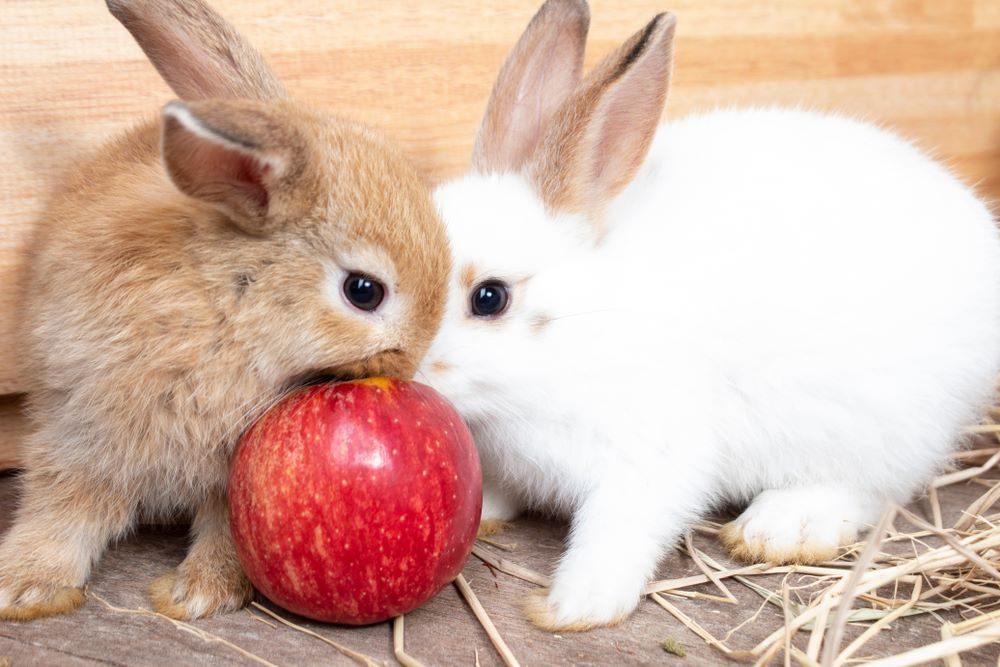
Yes — rabbits can eat apples. Apple flesh is not toxic to rabbits and is enjoyed by most as a sweet occasional treat. However, one part of the apple is genuinely dangerous and must be removed every time without exception: the seeds.
This guide covers the seed safety issue in full, what nutritional value apples offer, how much is appropriate for rabbits, including Angora breeds, which parts of the apple are safe and which are not, and how apples compare to other common fruit treats.
The Apple Seed Warning: What You Need to Know
Apple seeds contain amygdalin — a naturally occurring cyanogenic compound found in the seeds of apples and many other members of the rose family, including cherries, peaches, apricots, and plums. When amygdalin is metabolized, it releases hydrogen cyanide. In humans, the small quantity in a few seeds is insufficient to cause harm. In a small animal such as a rabbit, the threshold for a toxic effect is reached at a much lower dose.
The practical rule is absolute: remove all seeds before offering any part of an apple to a rabbit, every time. This applies regardless of how few seeds are present, and regardless of whether the rabbit has eaten apple seeds before without apparent ill effect. There is no safe quantity of apple seeds for rabbits — the risk is simply unnecessary to accept when the seeds can be removed in seconds.
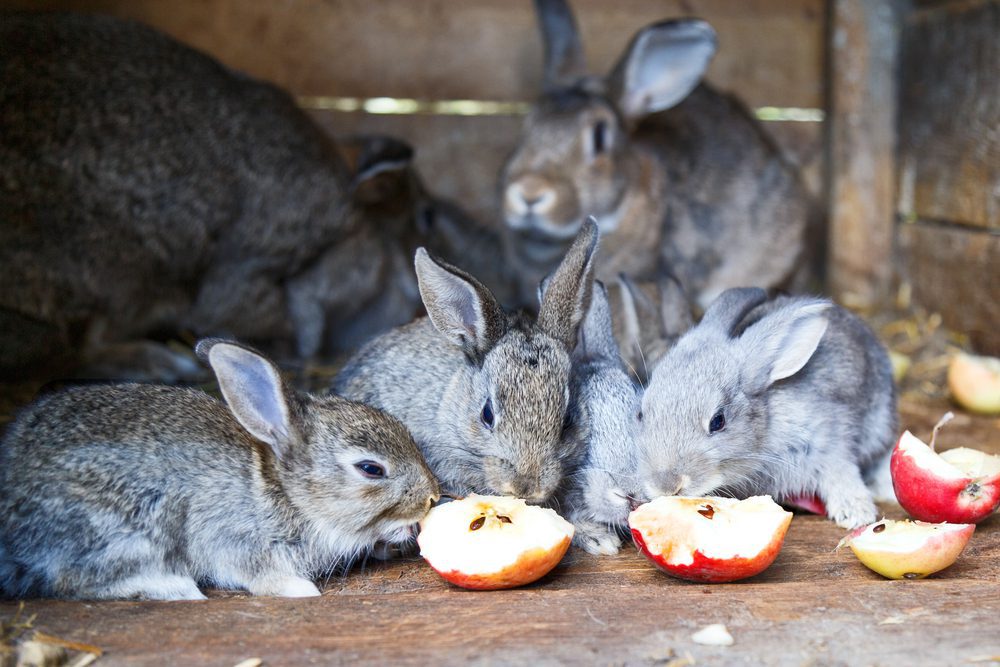
The same principle applies to the apple core, which often retains seed fragments and seed casings even after seeds appear to have been removed. The safest approach is to slice the apple flesh away from the core entirely and offer only the clean flesh and skin.
Apple stems should also be removed. While the stem itself is not the primary concern, it is unnecessary material that adds no nutritional value and may carry pesticide residue.
Are Apple Seeds the Same Risk for Rabbits as for Dogs?
This is worth clarifying directly, because owners who have looked up seed safety for other pets may have encountered different information. Dogs and cats are generally described as needing to consume a substantial number of apple seeds to be at risk — the amygdalin in a single seed is rarely sufficient to cause clinical symptoms in a large dog.
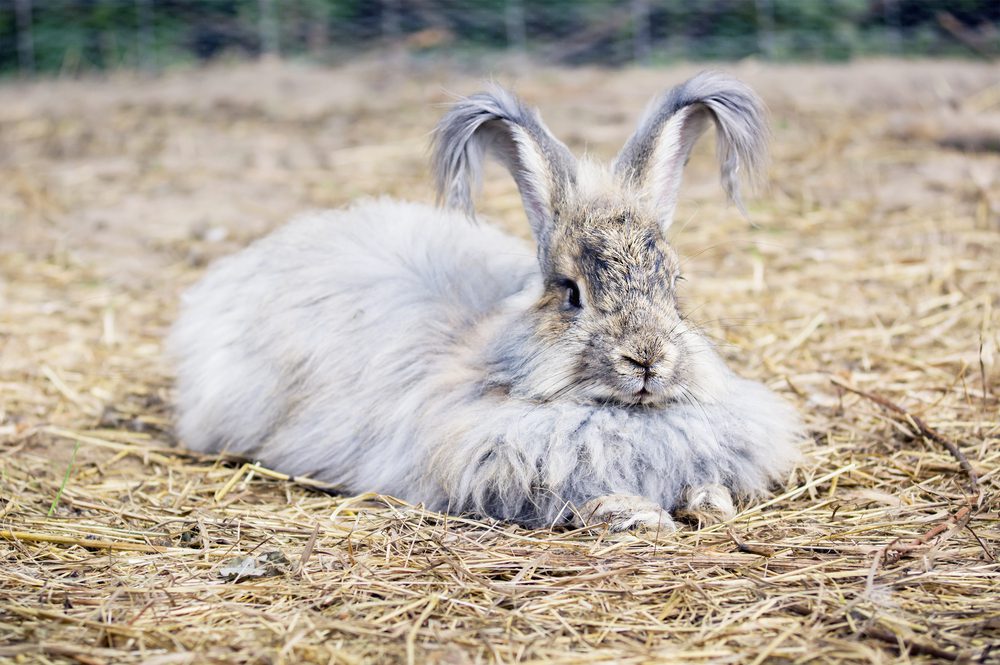
For rabbits, the relevant variable is body weight. Adult rabbit weight varies a lot by breed, from small dwarf breeds to giants over 10 pounds. An Angora rabbit may weigh from 5 pounds (English Angora) to over 10 pounds (Giant Angora). The cyanide threshold scales with body weight — a smaller animal reaches a toxic dose from a smaller quantity of amygdalin. The conservative and correct guidance for rabbit owners is to treat apple seed removal as a non-negotiable safety step regardless of the quantity involved.
What Apple Flesh and Skin Offer Nutritionally
Apple flesh provides vitamin C, small quantities of B vitamins, potassium, and dietary fiber — particularly pectin, a soluble fiber found in the flesh and skin. Apple skin has a higher fiber concentration than the flesh and contains antioxidant compounds, including quercetin.
Neither the flesh nor the skin provides nutrition that a rabbit cannot obtain from its core diet of hay, pellets, and leafy greens. Apples are treats — they provide palatability and enrichment, not dietary completeness. The fiber in apple flesh is far outweighed by the sugar content: a medium apple contains approximately 19 grams of sugar, which is very high relative to what a rabbit’s digestive system is designed to handle in a sitting.
The practical nutritional take: a small piece of apple occasionally adds variety and enrichment to the treat rotation, with modest vitamin and antioxidant benefit. It does not supplement the core diet in any meaningful way and should not be offered in quantities large enough to contribute meaningfully to daily nutrient intake.
Can Rabbits Eat Apple Skin?
Yes — apple skin is safe and can be offered along with the flesh. The skin contains more fiber than the flesh and has slightly higher antioxidant content. There is no need to peel the apple before offering it to a rabbit.
However, apple skin is also where pesticide and wax residues concentrate most heavily. Always wash apples thoroughly before offering them, regardless of whether the skin is being included. Organic apples reduce, but do not eliminate, this concern. A thorough wash under running water, rubbing the surface of the skin, is the standard preparation step.
How Much Apple Can a Rabbit Have?
A cautious guideline is one to two thin slices of apple flesh — approximately one to two tablespoons of apple — offered no more than two to three times per week. This is the complete portion for a session, not a per-sitting minimum.
For Angora rabbits, apply the same quantity guideline and the same monitoring approach used for all fruit treats: watch hay consumption for 24 hours following apple introduction. Any reduction in hay eating warrants reducing the apple quantity or frequency, because reduced hay intake directly elevates wool block risk in Angora breeds.
Baby rabbits under three months of age should not receive apples. Kits have developing digestive systems that are particularly vulnerable to the disruption caused by high-sugar foods. Introduce apple only after three months of age, beginning with a very small piece and monitoring for 24 hours.
Which Apple Varieties Are Best?
All common apple varieties — red, green, and yellow — are equally appropriate as rabbit treats. The nutritional differences between varieties are minor and not clinically relevant in the treat quantities being offered.
One practical note: tart apple varieties such as Granny Smith tend to have somewhat lower sugar content than sweet red varieties such as Fuji or Gala. For owners who wish to offer apples slightly more frequently, a tart variety represents a marginally lower sugar load per piece. This is a minor distinction, not a strict requirement.
Avoid processed apple products entirely — apple juice, apple sauce, dried apple chips with added sugar, and apple-flavored treats marketed for rabbits. Many of these products have significantly more sugar per serving than a fresh apple. Dried apple without added sugar has concentrated sugar from the dehydration process and should also be avoided.
Apples vs. Other Common Rabbit Fruit Treats
Apples sit in the middle of the fruit treat spectrum for rabbits — lower sugar than grapes or bananas, higher sugar than strawberries or blueberries.
| Fruit | Sugar Level | Notes | Serving Guidance |
|---|---|---|---|
| Blueberries | Lower than apple | High antioxidants, no seed concerns | Small handful, 2–3 times per week |
| Strawberries | Moderate | High antioxidants, no seed concerns | 1–2 berries, 2–3 times per week |
| Raspberries / Blackberries | Moderate | Higher fiber content for a fruit | 2–3 berries, 2–3 times per week |
| Apple (this article) | Moderate-high | Seeds must be removed — amygdalin releases cyanide | 1–2 thin slices, 2–3 times per week |
| Grapes | High | Not toxic to rabbits; high sugar warrants caution | 1–2 grapes, once or twice per week |
| Mango | High | Remove skin and pit before offering | Small cube occasionally |
| Banana | Very high | Highest sugar of common rabbit fruits | Small slice, once per week at most |
| Citrus (orange, lemon, grapefruit) | Moderate | Acidity causes digestive upset in many rabbits | Avoid |
| Avocado | — | Contains persin — toxic to rabbits | Never offer |
| Cherry, peach, plum, apricot | Moderate-high | Flesh is safe; pits contain amygdalin at higher concentration than apple seeds | The highest sugar content of common rabbit fruits |
For the complete guide to safe and unsafe foods, see our Angora Rabbit Care Guide.
Introducing Apple to Your Rabbit for the First Time
If your rabbit has not eaten an apple before, follow the same introduction protocol as for any new food.
Step 1: Prepare the apple correctly — wash thoroughly, remove core and seeds completely, cut the flesh and skin into a small piece approximately the size of a thumbnail.
Step 2: Offer the piece as the only new food that day. Do not introduce apple alongside another new food — if any digestive response occurs, you need to identify the cause.
Step 3: Monitor hay consumption and droppings for the following 24 hours. Healthy droppings are round, abundant, and uniform. Soft or fewer droppings indicate digestive disruption and warrant pausing further apple treats.
Step 4: If no adverse response is observed, apple can be incorporated into the treat rotation at the quantities and frequencies described above.
Related reading: can rabbits eat cucumber and are rabbits omnivores.
FAQs
Can rabbits eat apples?
Yes — apple flesh and skin are safe for rabbits as occasional treats. The seeds must always be fully removed before offering any piece of apple. One to two thin slices, two to three times per week, is the appropriate quantity.
Are apple seeds dangerous to rabbits?
Yes. Apple seeds contain amygdalin, which metabolizes to release hydrogen cyanide. The threshold for a toxic effect in a small animal such as a rabbit is reached at a much lower dose than in humans. Remove all seeds every time before offering an apple to a rabbit — this step is not optional.
Can rabbits eat apple skin?
Yes. Apple skin is safe and contains more fiber than the flesh. Wash the apple thoroughly to remove pesticide and wax residue from the skin before offering.
Can rabbits eat apple cores?
No. The core retains seed fragments and seed casings even after seeds appear to have been removed. Slice the apple flesh and skin away from the core entirely and offer only the clean outer portion.
How often can rabbits have apples?
One to two thin slices, no more than two to three times per week. Apple is a treat in the same category as other sweet fruits — it should represent a small fraction of the total diet, with hay, pellets, and leafy greens forming the overwhelming majority.
Can Angora rabbits eat apples?
Yes, in the same quantities as any rabbit. The specific consideration for Angora rabbits is monitoring hay intake after introducing any sweet treat — reduced hay consumption following treat introduction elevates wool block risk. Keep the treat quantity conservative and prioritize hay availability.
Conclusion
Apples are a safe and well-tolerated occasional treat for healthy adult rabbits, with one non-negotiable preparation step: the seeds must be fully removed every single time. The amygdalin in apple seeds releases cyanide during metabolism, and the safe threshold in a small animal such as a rabbit is too low to treat seed removal as optional or situational.
Apple flesh and skin, correctly prepared and offered in appropriate quantities, provide a pleasant enrichment treat with modest vitamin and fiber benefits. They do not constitute a dietary staple and should not be offered in quantities large enough to displace the hay, pellets, and leafy greens that form a rabbit’s actual nutritional foundation.
For the full Angora rabbit diet framework, see our Angora Rabbit Care Guide. For related diet guides, see Can Rabbits Eat Carrots?, Can Rabbits Eat Grapes?, and Can Rabbits Eat Cauliflower?.
The information in this article is for general educational purposes and does not constitute veterinary advice. For any dietary concern relating to your rabbit, consult a licensed veterinarian. See our disclaimer for full details.
Sources
- Rabbit.org. Treat Your Bunny Right, checked October 2026.
- Rabbit.org. Rabbit Diet & Nutrition: Safe Foods and Treats for Bunnies, checked October 2026.
- RSPCA Australia. What should I feed my rabbits?, checked October 2026.
- Merck Veterinary Manual. Diet for Rabbits, checked October 2026.
- VCA Animal Hospitals. Gastrointestinal Stasis in Rabbits, checked October 2026.
This guide is for general information and is not a substitute for advice from a vet. Read our disclaimer.