Are Rabbits Friendly? What New Owners Actually Need to Know
How we researched this guide: In October 2026 we checked the facts in this article against Rabbit.org and Merck Veterinary Manual, and corrected or removed anything we could not verify. Our sources are listed at the end. See our editorial policy. Last reviewed: October 2026.
Quick answer: Yes, most rabbits can be very friendly, but they show it on their own terms. Many dislike being picked up and prefer you to sit on the floor with them. Spaying or neutering, gentle handling and patience help most rabbits become affectionate companions.
The honest answer to “are rabbits friendly?” is: yes — but not in the way dogs are friendly, and not automatically. Rabbit friendliness is earned through consistent handling, appropriate approach, and an understanding of how rabbits communicate and build trust. A rabbit that has been handled correctly from a young age and kept in an environment that meets its social needs is a genuinely affectionate, interactive, and bonded companion. A rabbit that has been poorly handled, housed in isolation, or approached incorrectly will be defensive, fearful, or aggressive — and owners sometimes mistakenly conclude that rabbits are unfriendly as a species when the problem is in the approach, not the animal.
This article covers what rabbit friendliness actually looks like, how it develops, what prevents it, and how Angora rabbit owners specifically build the trust relationship that makes consistent grooming — the breed’s core care requirement — a positive experience rather than a stressful one.
What Rabbit Friendliness Actually Looks Like
Rabbits do not express friendliness the way dogs do. Dogs approach, vocalize, wag, and seek physical contact proactively. Rabbits, as prey animals, express friendliness through proximity, tolerance, and subtle affiliative behaviors that are easy to miss if you are looking for dog-like expression.
The behavioral indicators of a friendly, trusting rabbit are:
Approaching the owner voluntarily — coming to the front of the enclosure or across the room toward a known person indicates positive association. A rabbit that consistently moves toward its owner when the owner enters the room has formed a positive attachment.
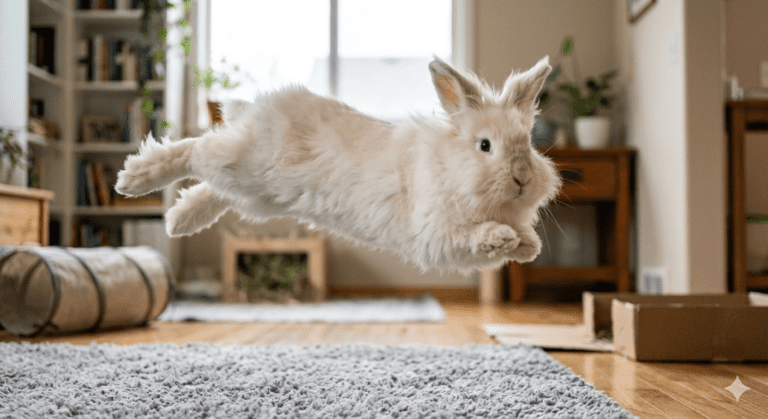
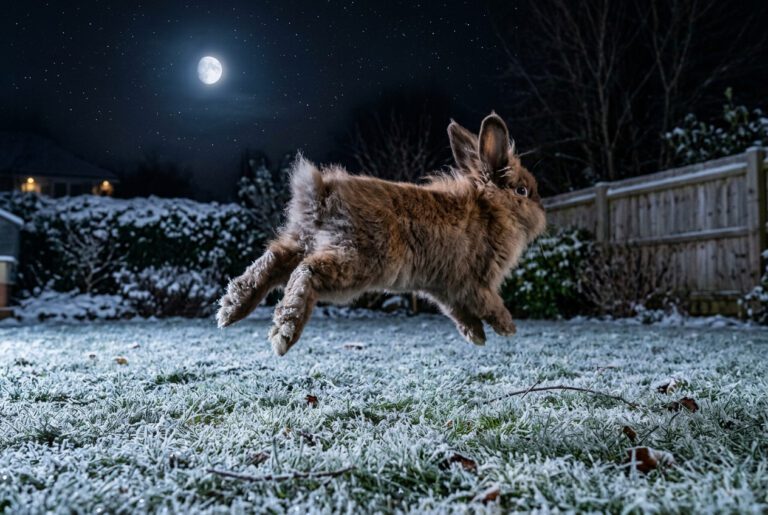
Binkying in the owner’s presence — the sudden airborne leap and mid-air twist that indicates peak happiness. A rabbit that binkies during free-roam time in the owner’s presence associates the owner with a positive experience.
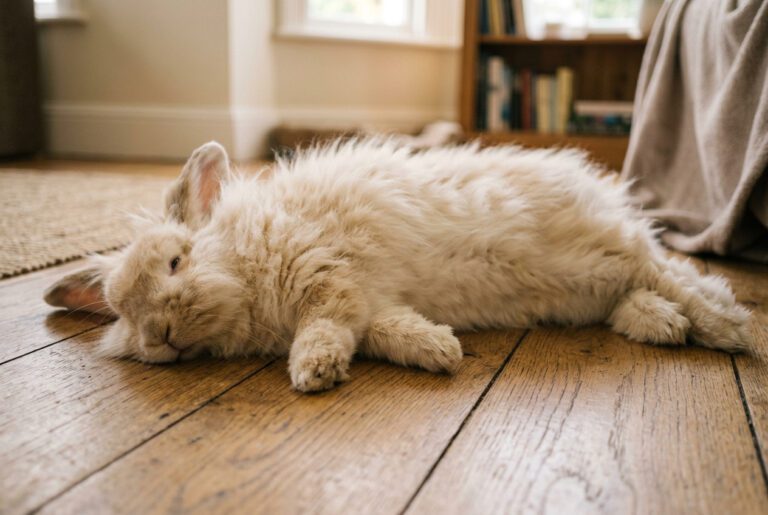
Flopping near the owner — the sudden lateral collapse into complete relaxation that indicates a rabbit feels entirely safe. A rabbit that flops in proximity to a person trusts that person enough to be fully vulnerable.
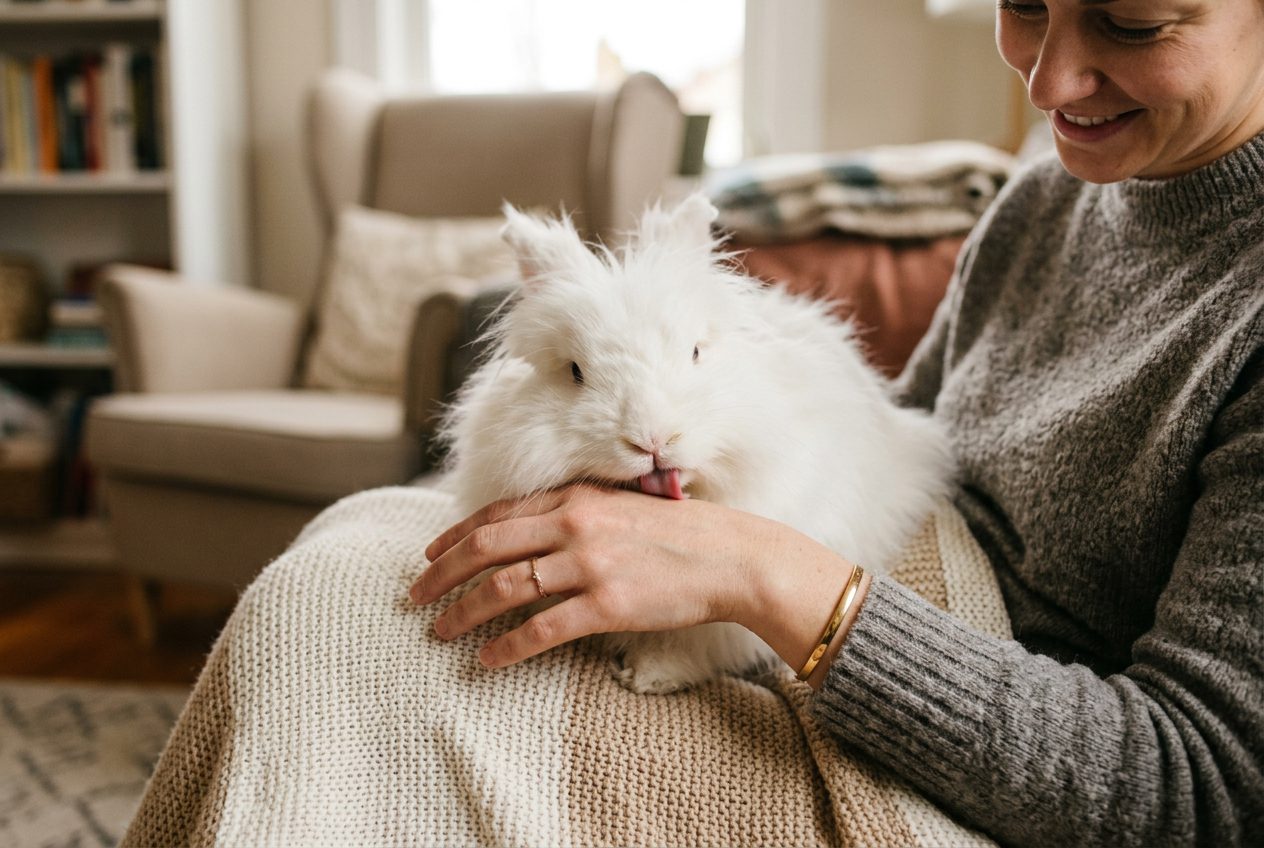
Allogrooming (licking the owner) — licking a person’s hand, wrist, or face is the most direct affiliative behavior a rabbit directs at a human. In wild rabbit social groups, mutual grooming reinforces social bonds. A rabbit that grooms its owner has categorized that person as a social group member.
Tooth purring during handling — soft, quiet teeth grinding produced during petting or grooming indicates contentment with the physical contact.
Seeking contact — coming to sit near or against the owner during quiet time, resting the chin on the owner’s lap, or returning repeatedly to the owner’s vicinity during free-roam are all friendly social behaviors.
What rabbit friendliness does not look like: jumping at a stranger immediately, tolerating rough handling without any resistance, or behaving identically toward all people. A friendly rabbit is typically a bonded rabbit — its warmest behavior is directed at familiar, trusted individuals and may be more reserved with strangers.
What Determines Whether a Rabbit Is Friendly
1. Handling History From a Young Age
The most significant single factor in a rabbit’s friendliness is whether it was handled consistently, gently, and positively from a young age. A rabbit that has been picked up, turned over, examined, and interacted with daily from its first weeks of life has learned that human hands mean safety and positive experience. It tolerates handling without distress and often actively seeks it.
A rabbit that was rarely handled as a kit — or handled roughly, dropped, restrained forcefully, or frightened repeatedly — learns that human hands are a threat. Its defensive behaviors (flight, thumping, biting, growling) are not unfriendly — they are a rational response to a learned association between human approach and negative experience.
This is why reputable Angora rabbit breeders handle their kits daily from birth — not for sentimental reasons but because it directly produces adults that tolerate grooming, veterinary handling, and owner interaction. A rabbit that has never been handled before its adult grooming sessions begin will be a genuinely difficult animal to manage, regardless of its underlying temperament.
2. Correct Approach and Handling Technique
Rabbits are prey animals. Human approach from above mimics an aerial predator — a hawk or eagle descending from height. Direct frontal approach toward a rabbit’s blind spot (the area directly in front of its nose) enters its vision suddenly and at close range, triggering a startle response.
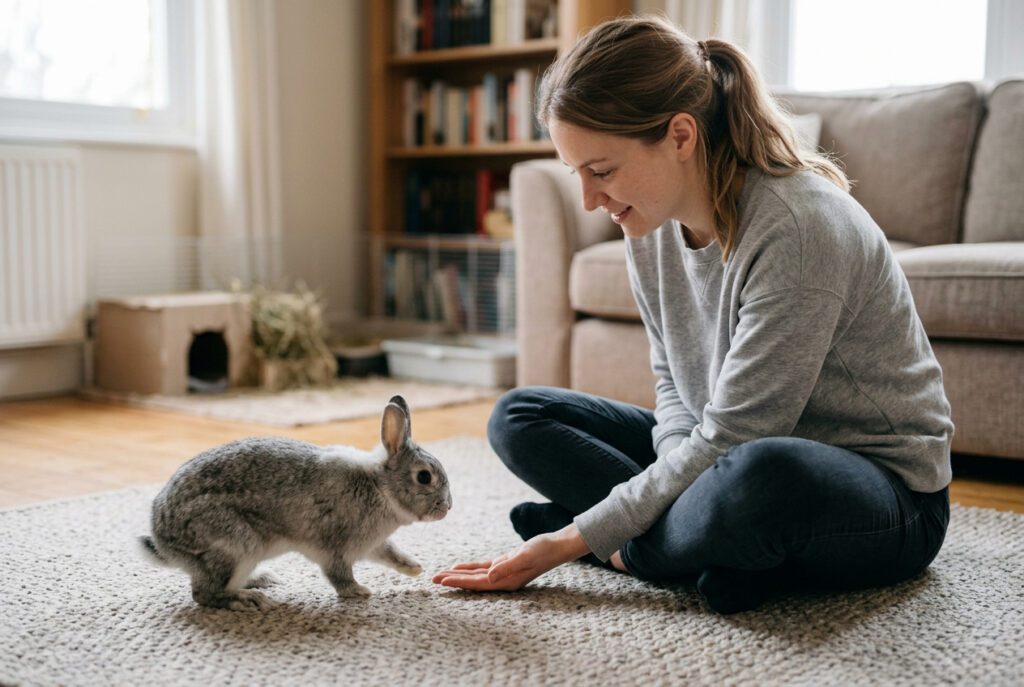
Correct approach: Always from the side, at or below the rabbit’s eye level when possible. Crouch or sit on the floor during initial bonding sessions rather than reaching down from standing height. Move slowly and predictably.
Correct handling: Rabbits do not enjoy being lifted and suspended in the air. They are ground-dwelling animals, and being airborne with no surface contact beneath their feet triggers the panic response. If you must lift a rabbit, support the full body weight from beneath, hold the rabbit against your body so it has a contact surface to press against, and keep the interaction brief until the rabbit has built tolerance through repeated positive experience.
Many rabbit owners report their rabbit “hates being picked up” while also reporting that the same rabbit will sit calmly on their lap for extended periods when placed there from floor level. The rabbit does not object to lap contact — it objects to the airborne transit.
3. Spay and Neuter Status
Intact rabbits — unspayed does and unneutered bucks — display hormonal behaviors that work directly against the development of a friendly temperament:
Intact bucks: Territorial urine spraying, mounting behavior directed at owners, chin-marking everything in range, and intermittent aggression triggered by hormonal fluctuations. These behaviors typically begin at 3 to 6 months of age and intensify through sexual maturity.
Intact does: Hormonal cycles drive territorial aggression — particularly defense of the enclosure, nest-building, and mood instability that varies across the cycle. The enclosure aggression of intact does is one of the most common reasons owners report their rabbit “suddenly became aggressive.”
Spaying and neutering greatly reduce hormone-driven unfriendly behaviors in both sexes. A spayed or neutered rabbit redirects social energy toward human interaction rather than territorial and reproductive behaviors. Spaying also removes the risk of uterine cancer, which is very common in older unspayed does.
4. Social Needs Being Met
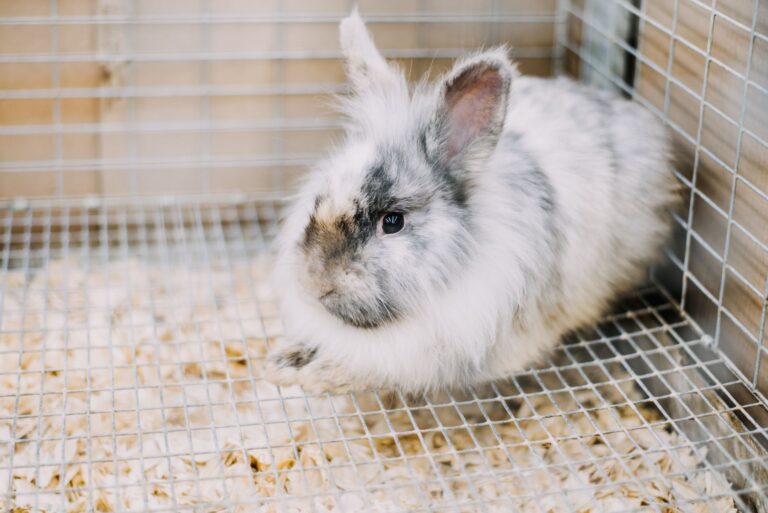
Rabbits evolved as social, group-living animals. A rabbit kept in social isolation — without regular human interaction or a bonded companion rabbit — develops behavioral stress responses that manifest as aggression, destructive behavior, or withdrawal. These stress behaviors are frequently misread as “unfriendliness” when they are actually distress signals from an animal whose fundamental social needs are not being met.
Minimum daily interaction: A single rabbit kept without a bonded companion needs at minimum one to two hours of active owner interaction per day — floor-level free-roam time during which the owner is present and engaged, not simply in the same room. This is the baseline that substitutes for the continuous social contact a companion rabbit would provide.
Are Angora Rabbits Specifically Friendly?
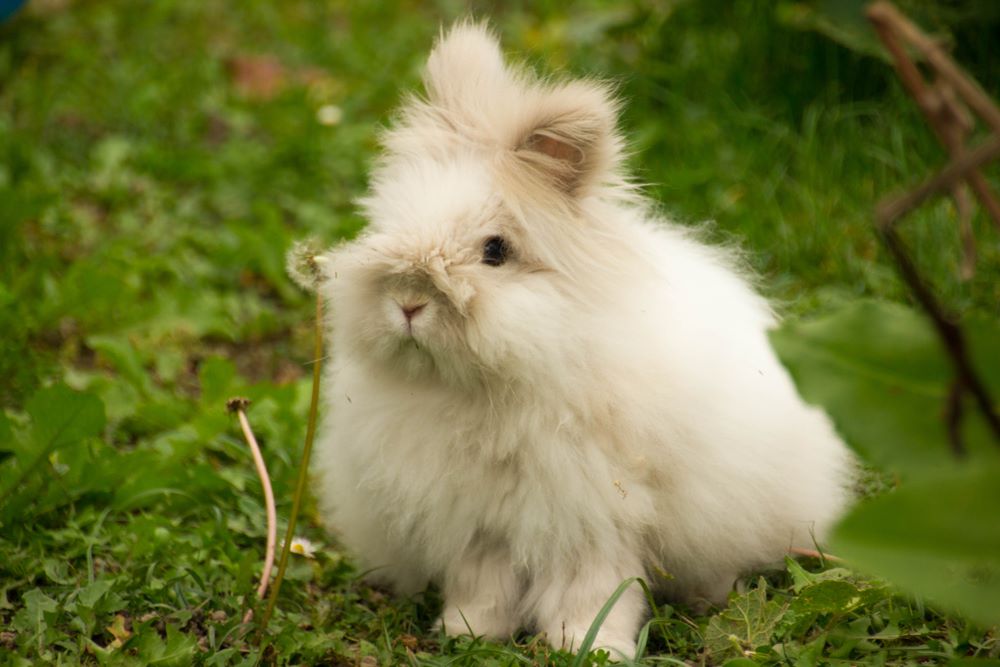
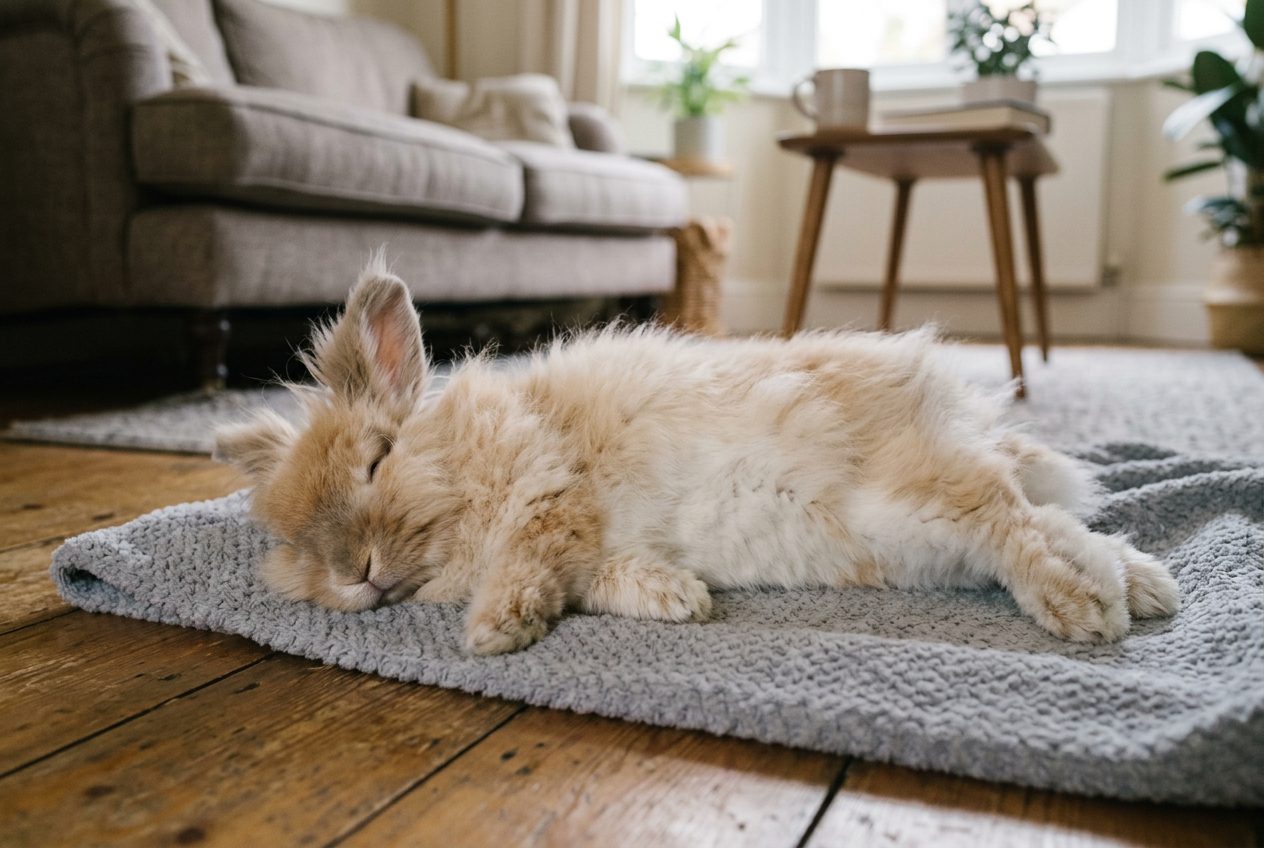
Angora rabbit breeds — English, French, Satin, Giant, and German — are consistently described by experienced breeders as calm, docile, and amenable to handling. The generations of selective breeding for animals that tolerate frequent handling and grooming have produced a breed group that is generally more tractable than many non-wooled rabbit breeds.
The French Angora is particularly noted for its calm, tolerant temperament and is the most recommended Angora breed for first-time owners, partly for this reason. The Giant Angora, despite its size, is described as gentle and low-reactive by breeders who handle them regularly for 90-day shearing sessions.
The key point for Angora rabbit owners: the grooming relationship itself, when built correctly from kithood, becomes one of the strongest bonding mechanisms available. A rabbit that has been gradually habituated to grooming through patient, progressive sessions that never exceed the animal’s tolerance will eventually produce soft tooth-purring sounds during grooming — the clearest possible signal that it has associated the process with positive experience. This is the endpoint that separates owners who find Angora grooming a rewarding bonding activity from those who find it a battle.
Building Trust: A Practical Approach
Week 1–2 (new rabbit arrival): Do not try to pick up or force interaction. Sit on the floor near the enclosure. Let the rabbit approach on its terms. Offer a small piece of herb (cilantro or parsley) from an open hand — not thrust toward the rabbit but placed on the floor nearby.
Week 3–4: Begin offering greens directly from the hand. Allow the rabbit to eat from your open palm without attempting to stroke it. Progress to brief, gentle strokes along the back only when the rabbit has demonstrated comfort by remaining in place voluntarily.
Month 2 onward: Introduce brief grooming sessions — two to three minutes initially — using the steel comb on the back only. Pair each session with a small treat immediately after. Progressively extend session length as the rabbit’s tolerance develops. Never continue a grooming session past the point where the rabbit is actively struggling or distressed — end before that threshold and extend the next session slightly.
Long-term: A rabbit that has had this gradual, positive introduction to handling and grooming will typically settle into a routine of voluntary approach, grooming tolerance, and genuine affiliative behaviors toward its owner within three to six months.
Related reading: are rabbits good pets.
FAQs
Are rabbits friendly pets?
Yes — when handled correctly from a young age, their social needs are met, and they are spayed or neutered. Rabbits form genuine bonds with their owners and express affection through approach, allogrooming, flopping in proximity, and binkying. They are not dog-like in their friendliness expression, but they are genuinely social animals.
Do rabbits like to be held?
Most rabbits tolerate holding when it is done correctly — full body support, held against the body, not suspended in the air. Many rabbits prefer floor-level interaction over being picked up. The goal is not making the rabbit tolerate being held but building a positive relationship that makes all forms of contact — including the essential grooming — comfortable.
Do rabbits recognize their owners?
Yes. Rabbits recognize their owners through scent, voice, and predictable behavioral patterns. A rabbit that responds differently to its owner than to strangers — approaching the owner but retreating from an unfamiliar person — is demonstrating recognition and differential trust.
Why is my rabbit aggressive?
The most common causes of rabbit aggression are: hormonal behavior in intact animals (resolved by spay/neuter), territorial defense of the enclosure (approach from the side, not reaching in from above), and pain-related defensive behavior. Sudden onset of aggression in a previously calm spayed or neutered adult rabbit is a pain indicator until proven otherwise — consult a rabbit-experienced veterinarian.
Are Angora rabbits friendlier than other rabbit breeds?
Angora breeds are generally described as calm and docile — a consequence of generations of selective breeding for animals that tolerate the frequent handling and grooming their wool coat requires. The French Angora is particularly noted for its even temperament and is the most recommended Angora breed for first-time owners.
How long does it take for a rabbit to become friendly?
With consistent, correct handling, most rabbits develop clear, friendly behaviors within one to three months of arrival in a new home. The timeline depends heavily on the rabbit’s pre-arrival handling history. A rabbit from a breeder who handled kits daily from birth will settle much more quickly than one that had minimal human contact before purchase.
Conclusion
Rabbits are friendly — genuinely, demonstrably social animals that form bonds with their owners, express affection in a behavioral vocabulary that is consistent and readable once learned, and can become some of the most rewarding companion animals available. The reputation rabbits sometimes have for being aloof or unfriendly comes almost entirely from animals that were handled incorrectly, kept in social isolation, or not spayed or neutered.
For Angora rabbit owners, the bonding investment has an additional return: a rabbit that trusts its owner is also a rabbit that tolerates grooming. The grooming relationship is where the friendship either deepens into a genuine partnership or remains a stressful weekly encounter. Building it correctly from the beginning is worth every patient minute it takes.
For the complete behavioral guide to understanding what your rabbit is communicating, see our Angora Rabbit Behavior guide. For the litter training process that builds early trust through routine, see our How to Litter Train an Angora Rabbit guide.
This article is for general educational purposes. See our disclaimer for full details.
Sources
- Rabbit.org. Spay For Health, checked October 2026.
- Rabbit.org. Perks & Pitfalls of Rabbits: An Honest Guide, checked October 2026.
- Merck Veterinary Manual. Management of Rabbits, checked October 2026.
- Rabbit.org. Why You Should Never Trance a Rabbit, checked October 2026.
This guide is for general information and is not a substitute for advice from a vet. Read our disclaimer.