Where to Buy an Angora Rabbit: A Practical Guide for US Buyers
Finding a healthy Angora rabbit from a responsible source is more involved than finding a common short-haired pet rabbit. Angora rabbits are a specialty breed with a limited breeding population in the United States, and the source you choose directly affects the health, temperament, and wool quality of the animal you bring home, as well as the ongoing support you will receive as a new owner learning the breed’s considerable care demands.
This guide covers every legitimate source available to US buyers, what to look for and what to avoid at each, and the specific questions to ask before committing to a purchase.
The Four Sources for Angora Rabbits in the US
1. NARBC and ARBA Registered Breeders — Best Starting Point
The National Angora Rabbit Breeders Club (NARBC) is the primary US specialty organization for Angora rabbit breeding. The NARBC maintains a breeder directory covering English, French, Giant, and Satin Angora breeders across the United States, organized by state. This is the most reliable starting point for any US buyer because NARBC members have agreed to the organization’s standards of care and ethical breeding practices.
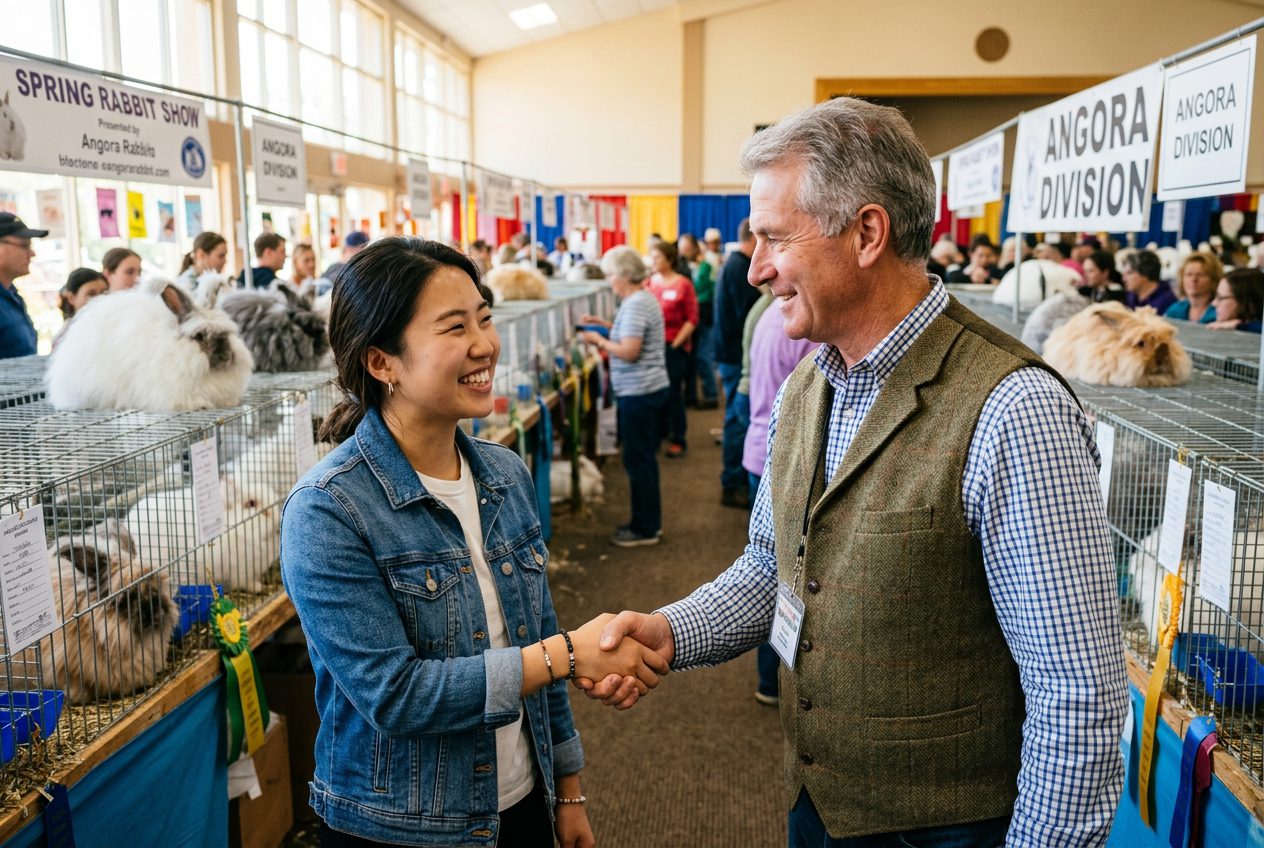
The American Rabbit Breeders Association (ARBA) also maintains breeder listings and hosts rabbit shows across the US where Angora breeders exhibit. Attending a local ARBA show allows you to meet multiple breeders in person, see their animals in show condition, and evaluate coat quality and temperament before making any commitment.
For German Angoras specifically, the IAGARB maintains its own breeder network and registration system. German Angora breeders registered with IAGARB must meet minimum wool production standards, which provides an additional quality assurance layer for fiber-focused buyers.
What NARBC and ARBA registered breeders typically offer:
- Animals with known lineage and health history
- Breed-specific knowledge and ongoing support
- Willingness to answer questions before and after purchase
- Animals that have been groomed and handled from birth
- Accurate information about the breed’s care requirements
2. Independent Reputable Breeders
Many excellent Angora rabbit breeders operate independently of formal associations. These breeders may be found through rabbit show networks, local 4-H programs, state rabbit breeder clubs, and word of mouth within the fiber arts community. Independent breeders who have been producing Angora rabbits for multiple years and maintain active show or spinning records are often excellent sources.
Evaluate independent breeders using the same criteria as NARBC members — see the vetting questions below.
3. Rescue Organizations and Shelters
Angora rabbits occasionally appear in rabbit rescues and general animal shelters, most commonly because previous owners underestimated the grooming commitment required. The House Rabbit Society maintains a nationwide network of rabbit rescues and can help identify Angora rabbits available for adoption in your region.
Adopting a rescue Angora rabbit is a genuinely good option for experienced rabbit owners who understand the breed’s needs and can assess the animal’s coat and health condition before adoption. It is generally not recommended for first-time Angora owners — rescue rabbits often arrive with matted coats, potential health issues from neglect, and behavioral adjustment periods that benefit from an owner who already knows the breed.
Key considerations for rescue adoption:
- Assess the coat condition honestly — a severely matted rabbit will require a full clip and months of coat rebuilding
- Ask for any available health history
- Ensure the rescue has assessed the rabbit’s temperament for rehoming suitability
- Budget for a veterinary assessment within the first week
4. Online Platforms — Use With Caution
Angora rabbits are listed on platforms such as Craigslist, Facebook Marketplace, Hoobly, and various rabbit-specific classified sites. These platforms are not inherently problematic — many reputable breeders use them to advertise available animals — but they require the buyer to apply full vetting independently, with no organizational filter.
The risk with online platforms is the presence of sellers who have bred rabbits without health testing, without knowledge of the breed’s requirements, or from inbreeding that produces animals with coat or health problems that are not visible at purchase. Never purchase from an online platform seller who refuses to allow a visit, cannot answer breed-specific questions, or will not provide references from previous buyers.
Pet stores are not an appropriate source for Angora rabbits. Pet stores cannot provide the breed-specific care information, lineage history, or post-purchase support that Angora rabbit ownership requires. Angora rabbits in pet stores typically come from commercial breeding operations without meaningful quality standards for coat genetics or health.
How to Vet a Breeder: Questions to Ask Before You Buy
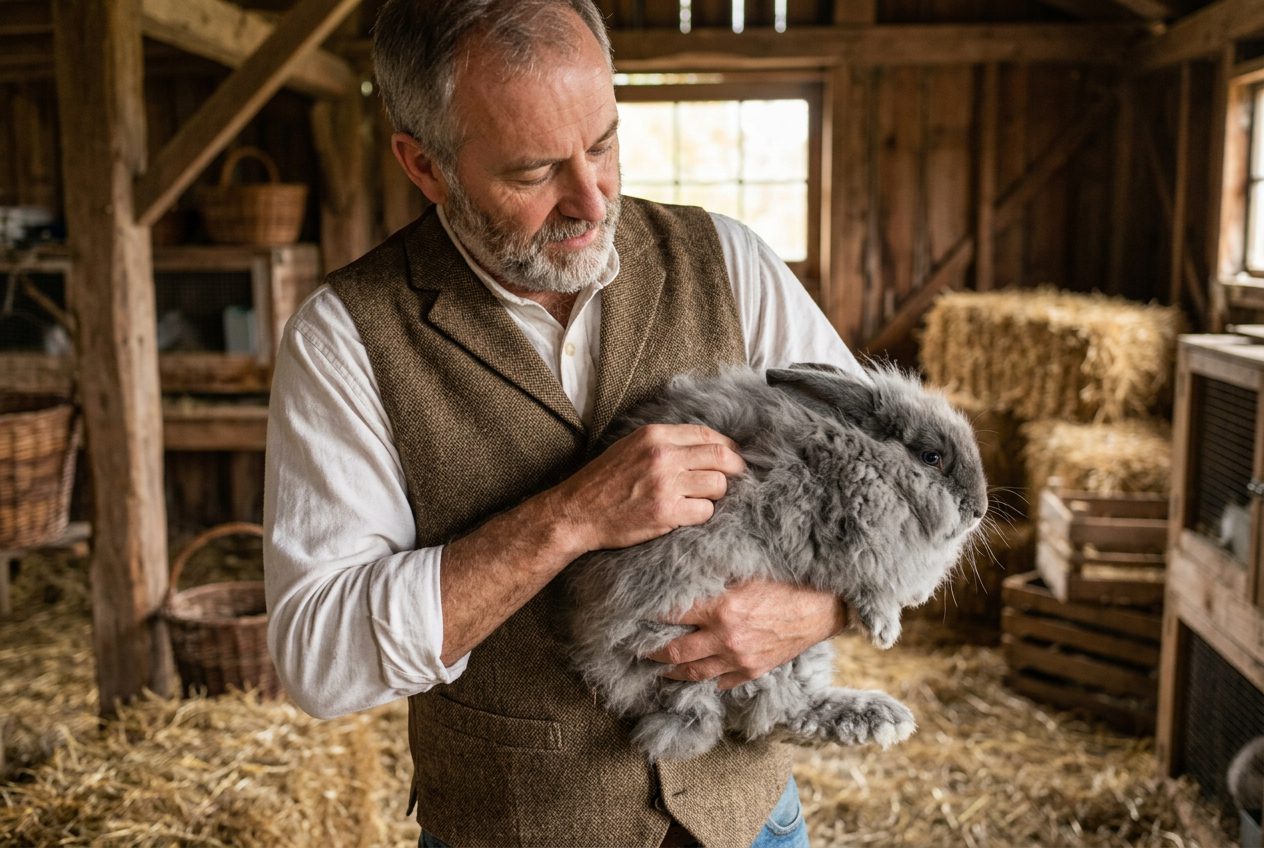
Regardless of the source, ask every breeder these questions before committing to a purchase:
| Question | What a Good Answer Looks Like |
|---|---|
| How long have you been breeding Angora rabbits? | At least 2 to 3 years for this breed specifically |
| Can I visit and see the rabbits and their housing? | Yes, always — any refusal is a red flag |
| Are the parents available to see? | Yes — seeing parent coat quality and temperament is essential |
| Has the rabbit been handled regularly since birth? | Yes — regular socialization from birth produces handleable adults |
| What is the rabbit’s current grooming schedule? | Should be at least 2 to 3 times per week |
| Has the rabbit been assessed by a veterinarian? | Ideally yes — health certificate is a positive sign |
| Are you available for questions after purchase? | Yes, without hesitation |
| What do you feed your rabbits? | Unlimited hay, measured pellets with minimum 17% protein, fresh greens |
| What will happen if I can no longer keep the rabbit? | Unlimited hay, measured pellets with a minimum 17% protein, fresh greens |
Red Flags to Walk Away From
| Red Flag | Why It Matters |
|---|---|
| Breeder refuses to allow a visit | Cannot assess housing conditions or animal health |
| Rabbit is available at 4 weeks or younger | Kits should not be rehomed before 8 weeks minimum |
| No knowledge of Angora-specific grooming | Indicates the rabbit has not been properly maintained |
| Severely matted coat at point of sale | Indicates neglect — health and behavioral issues likely |
| Cannot name the breed variety (English, French, etc.) | Basic breed knowledge is a minimum requirement |
| Prices far below market range | May indicate mill breeding or health problems |
| Pressure to purchase quickly | Responsible breeders do not rush buyers |
| Multiple breeds available in large quantities | Rabbits are available at 4 weeks or younger |
What to Look for When You Visit
Before accepting any animal, evaluate it in person against these criteria:
Coat Condition
The coat should be free of mats, evenly grown, and clean. There should be no soiling around the vent area. In English Angoras, the facial wool should be kept clear of the eyes. A rabbit presented to a buyer in poor coat condition has been inadequately groomed — a warning about the level of care it has received.
Eyes and Nose
Eyes should be bright, clear, and free of discharge. The nose should be clean and dry. Cloudy eyes, discharge, or a wet nose are signs of illness or infection requiring veterinary evaluation.
Body Condition
Ask to feel the rabbit beneath the coat. Ribs should be palpable but not prominent. A rabbit that feels skeletal under the coat despite a full visual appearance may be significantly underweight — a health concern that the coat conceals visually.
Temperament
A well-socialized Angora rabbit should tolerate being held, turned over for belly inspection, and having its face and ears examined without sustained frantic struggling. Some mild initial resistance is normal. An animal that bites, scratches aggressively, or is impossible to handle has not been sufficiently socialized and will be difficult to groom.
Droppings
Observe the rabbit’s enclosure. Droppings should be round, uniform, and abundant. Any soft, misshapen, or absent droppings indicate digestive problems.
What to Expect to Pay
Angora rabbit prices vary significantly by breed, quality, and region. The following ranges reflect current US market conditions for pet and fiber quality animals:
| Breed | Pet/Fiber Quality | Show Quality |
|---|---|---|
| English Angora | $50 to $150 | $150 to $400+ |
| French Angora | $50 to $150 | $150 to $350+ |
| Satin Angora | $75 to $175 | $175 to $400+ |
| Giant Angora | $75 to $200 | $200 to $500+ |
| German Angora | $100 to $250 | $250 to $600+ |
Prices well below these ranges warrant additional scrutiny. Prices significantly above these ranges for unregistered, unshown animals without documented lineage are not justified by the market.
Before You Bring the Rabbit Home
Before collection day, ensure the following are in place:
- Indoor enclosure of the correct minimum dimensions for the breed — see our Angora Rabbit Habitat guide
- Solid resting board covering at least one-third of the enclosure floor
- Timothy hay supply — unlimited availability from day one
- High-quality pellets with a minimum 17% protein
- Water bottle or heavy crock positioned to minimize wool contact
- Hide box or enclosed shelter area within the enclosure
- Steel grooming comb and slicker brush — see our Best Brush for Angora Rabbits guide
- Rabbit-experienced veterinarian identified — the House Rabbit Society maintains a state-by-state vet directory
- First veterinary appointment scheduled within the first week
For the complete setup and first-week care guidance, see our Angora Rabbit Care Guide.
FAQs
Where is the best place to find an Angora rabbit in the US?
The NARBC breeder directory at nationalangorarabbitbreeders.com is the best starting point for all four ARBA-recognized Angora breeds. ARBA rabbit shows in your region are an excellent opportunity to meet multiple breeders and see animals in person. For German Angoras, the IAGARB maintains its own breeder network.
How much does an Angora rabbit cost?
Pet and fiber quality Angora rabbits typically range from $50 to $250, depending on breed, with show quality animals ranging from $150 to $600 or more. German Angoras and Giant Angoras tend to command higher prices due to lower population and higher wool production requirements.
Can I adopt an Angora rabbit from a rescue?
Yes — the House Rabbit Society network and general animal shelters occasionally have Angora rabbits available. Rescue adoption is best suited to experienced rabbit owners who can assess coat condition and health independently. First-time Angora owners are better served by a reputable breeder who can provide ongoing support.
What age should an Angora rabbit be when I buy it?
No younger than 8 weeks — and 10 to 12 weeks is preferable for Angora breeds, as the additional time with the litter supports immune development and socialization. Any seller offering kits younger than 8 weeks should be declined.
Are Angora rabbits available at pet stores?
Pet stores are not an appropriate source for Angora rabbits. They cannot provide the breed-specific information, lineage history, or post-purchase support the breed requires, and their supply typically comes from commercial breeding operations without meaningful quality standards.
What should I ask a breeder before buying?
At minimum: how long they have been breeding Angoras, whether you can visit, whether the parents are available to see, what the rabbit’s grooming history is, and whether they will take the rabbit back if your circumstances change. Any hesitation on visiting or on accepting returns is a significant red flag.
Conclusion
Finding a healthy Angora rabbit from a responsible source is the foundation of a successful ownership experience. The time invested in locating a reputable breeder, visiting in person, and evaluating the animal before purchase pays dividends across the 7 to 12-year life of the rabbit you bring home.
The NARBC breeder directory, ARBA shows, and the IAGARB network for German Angoras are the most reliable starting points in the US. Wherever you source your rabbit, apply the vetting questions and evaluation criteria in this guide before committing.
For everything you need to set up correctly once your rabbit arrives, see our Angora Rabbit Care Guide.
The information in this article is for general educational purposes. See our disclaimer for full details.