
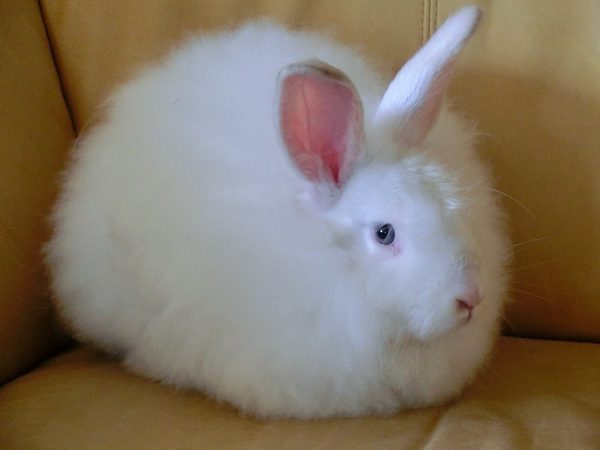
Satin Angora Rabbit

Satin Angora Rabbit: Complete Breed Profile, Care Guide, and What US Owners Need to Know

The Satin Angora is the rarest of the four ARBA-recognized Angora breeds and produces the most distinctive fiber of any rabbit. Its semi-transparent guard hair structure — the result of the recessive Satin gene that modifies the normal opaque fiber shaft into a translucent one — gives Satin Angora wool a natural silky luster that no other Angora breed produces and no processing can replicate. It is the fiber that hand spinners and luxury textile producers seek specifically for this quality.

The Satin Angora produces less fiber per year than the English or French Angora — 6 to 12 ounces — which is why it is not the first choice for volume fiber production. It is the first choice when fiber quality, specifically luster and silky texture, is the primary objective.

This page covers the complete Satin Angora breed profile: history, ARBA standard, physical specifications, fiber properties, grooming requirements, diet, housing, health, and what US owners need to know.

Breed History and Origin

The Satin Angora is the newest of the ARBA-recognized Angora breeds, developed in the late 1970s in Canada by Leopoldina Meyer through crosses between French Angoras and Satin rabbits. The Satin rabbit’s defining characteristic is the recessive Satin gene, which modifies the internal structure of the fiber shaft — replacing the normally opaque medullary cells with a translucent structure that reflects and refracts light differently, producing the characteristic sheen.

Meyer intended to combine the Angora rabbit’s wool-producing capacity with the Satin gene’s light-reflective fiber quality. The result — the Satin Angora — was recognized by ARBA in 1987. It remains the least common of the four recognized Angora breeds in the US, partly because of the lower fiber yield per rabbit and partly because the breed’s specialty quality appeals to a narrower market than the higher-yielding breeds.

ARBA Breed Standard: Key Specifications

CharacteristicARBA Standard
Minimum weight6.5 lbs (2.95 kg)
Maximum weight9.5 lbs (4.31 kg)
Ideal weight7.5–8.5 lbs (3.4–3.85 kg)
Body typeSemi-commercial — medium length, well-rounded
Recognized colorsAll ARBA-recognized colors
Facial woolClean face and feet — NO facial wool
Distinguishing featureSilky, lustrous fiber with satin sheen — must be evident at judging

The Satin Angora is judged specifically on the satin quality of the fiber — the sheen must be clearly visible and consistent across the coat. Animals without an evident satin quality do not represent the breed correctly on the show table.

Physical Characteristics

Body

The Satin Angora has a semi-commercial body type — medium length and well-rounded, larger than the English Angora but not reaching the full commercial dimensions of the French Angora. Adults weigh 6.5 to 9.5 pounds.

Wool Coverage

Like the French Angora, the Satin Angora has a clean face and feet — no facial wool. The body coat is full and covers the torso from neck to tail. The ear tips carry minimal tufting. The critical difference from other Angora breeds is not coverage but fiber structure — even at the same coat length, Satin Angora fiber is visually distinct in its light-reflective quality.

Fiber Specifications

SpecificationSatin Angora Value
Fiber diameter16–20 microns
Annual fiber yield6–12 oz (170–340g)
Harvest methodPlucking (natural molting breed)
Harvest frequencyEvery 90–120 days
Distinguishing propertySatin gene — translucent fiber shaft producing natural luster

The Satin Angora’s fiber diameter of 16 to 20 microns is coarser than English and French Angora fiber but comparable to fine merino wool. What distinguishes it is not fineness but the translucent fiber structure that produces its characteristic sheen — a quality that spinners and luxury textile buyers specifically seek and that commands premium prices in the US hand-spinning market.

Current US market price for raw Satin Angora fiber: $12 to $20 per ounce — the highest of any Angora breed per ounce, reflecting the rarity and distinctive quality of the fiber.

The Satin Gene: How It Works

The Satin gene (designated sa in rabbit genetics) is recessive. A rabbit must carry two copies (sa/sa) to express the satin fiber quality. Rabbits carrying one copy (Sa/sa) do not show the satin characteristic in their fiber but carry it silently and can pass it to offspring.

In practice, breeding two Satin Angoras (sa/sa × sa/sa) produces 100% satin-coated offspring. Breeding a Satin Angora to a non-satin produces 100% carriers with no satin coat expression. This is why Satin Angora breeding programs are kept self-contained — introducing non-satin genetics dilutes the fiber quality across generations.

Grooming

The Satin Angora’s grooming requirement is similar to the French Angora’s — substantial but manageable for a committed owner. The clean face eliminates the English Angora’s mandatory facial wool trimming.

Grooming Schedule

Minimum: Two full grooming sessions per week of 30 to 45 minutes each.

During molt, as fiber is released progressively.

The Satin Angora’s fiber, with its smooth translucent shaft, can be felt somewhat more readily than French Angora fiber when wet — this makes keeping the coat dry during grooming particularly important. Never use water or moisture on the coat during grooming. The pet blower on the cool setting is the appropriate method for separating and assessing fiber condition.

Grooming Order

Always start at the underside — belly, chest, and inguinal area — before moving to back, sides, legs, and ears. The hindquarters are the highest-mat-risk area.

Protecting Fiber Quality

The Satin Angora’s distinctive luster can be affected by handling. Excessive gripping, rough combing, or contact with rough surfaces can mechanically damage the translucent fiber shaft and diminish the sheen. Use a steel grooming comb with smooth, rounded tines and handle the fiber with care during each session. Plucked fiber should be stored in paper or breathable cotton bags immediately after harvest — not compressed into plastic bags that can physically damage the fiber shaft.

Diet

Unlimited timothy hay, minimum 17% protein pellets, daily fresh leafy greens, fresh water at all times. These are the non-negotiable foundations identical across all Angora breeds.

The Satin Angora’s lower annual fiber yield does not reduce its protein requirement — the Satin gene modifies fiber structure, not the metabolic demand of continuous wool growth. Maintain the 17% protein pellet standard throughout the year.

Housing

Indoor housing is standard for all Satin Angora rabbits.

RequirementSpecification
Minimum floor space24 × 30 inches (61 × 76 cm)
Minimum height18 inches (46 cm)
Solid resting boardMandatory
Temperature range60–72°F (16–22°C)

The Satin Angora’s fiber is particularly sensitive to moisture and debris contact. A clean, dry enclosure environment and daily enclosure spot-checking are important not only for animal welfare but for maintaining the fiber quality that makes this breed valuable.

Health

All standard Angora rabbit health considerations apply: GI stasis as the primary emergency (same-day veterinary assessment if eating and droppings have stopped for 6 to 8 hours); wool block prevention through consistent grooming and unlimited hay; dental assessment from age three onward; annual wellness veterinary examination.

The Satin Angora’s lower fiber yield does not reduce its GI stasis risk — all rabbits with wool coats self-groom and ingest fiber, and unlimited hay and consistent grooming are the primary preventive measures.

Temperament and Suitability

The Satin Angora is calm and handleable — in temperament it is similar to the French Angora and suitable for experienced rabbit owners who value fiber quality over volume. Its lower annual yield makes it impractical as the primary animal in a high-volume fiber production rabbitry, but ideal as a specialty animal for spinners who want access to the most distinctive Angora fiber available.

Well suited to: Experienced hand spinners seeking luster and distinctive fiber quality; owners already keeping other Angora breeds who want to add Satin fiber to their spinning palette; show exhibitors specializing in fiber breeds.

Less suited to: First-time Angora owners; owners whose primary goal is maximum fiber volume (German or Giant Angora produces significantly more fiber per rabbit per year).

FAQs

What makes Satin Angora fiber different from other Angora breeds?

The Satin gene modifies the internal structure of each fiber from opaque to translucent, causing the fiber to reflect and refract light differently. The result is a natural silky sheen — a luster visible across the raw fiber and retained in the finished spun yarn — that no other Angora breed produces and no processing can add to a non-satin fiber.

How much fiber does a Satin Angora produce per year?

6 to 12 ounces (170 to 340 grams) per year — less than English or French Angoras (both 12 to 16 oz) but commanding higher prices per ounce at $12 to $20 raw due to the fiber’s distinctive quality.

Is the Satin Angora good for beginners?

Not the recommended starting breed. The lower fiber yield relative to other Angora breeds and the specific fiber quality requirements make it most appropriate for experienced rabbit keepers who have a clear objective in acquiring Satin fiber specifically.

How is the Satin Angora harvested?

By plucking during the natural molting cycle, every 90 to 120 days. Like the English and French Angora, the Satin Angora molts naturally — the Satin gene affects fiber structure, not the molting pattern.

Why is the Satin Angora rarer than other Angora breeds?

Lower annual fiber yield per rabbit makes it less economical for volume producers. The recessive Satin gene requires both parents to carry it for offspring to express satin fiber quality, making breed management more specific than for other Angora varieties. Demand is strong among specialty spinners and luxury fiber buyers, but narrower than the general fiber market.

How long do Satin Angora rabbits live?

7 to 12 years with proper care.

Conclusion

The Satin Angora occupies a unique position in the Angora rabbit group — producing less fiber per year than any other Angora breed but the most distinctive and lustrous fiber of all. For spinners and fiber enthusiasts who specifically value the satin sheen quality and are willing to manage a lower-yield animal to access it, the Satin Angora is without peer.

For sourcing guidance, see our Where to Buy an Angora Rabbit guide. For fiber production and selling guidance, see our Raising Angora Rabbits for Wool guide.

This page is for general educational purposes and does not constitute veterinary advice. See our disclaimer for full details.