
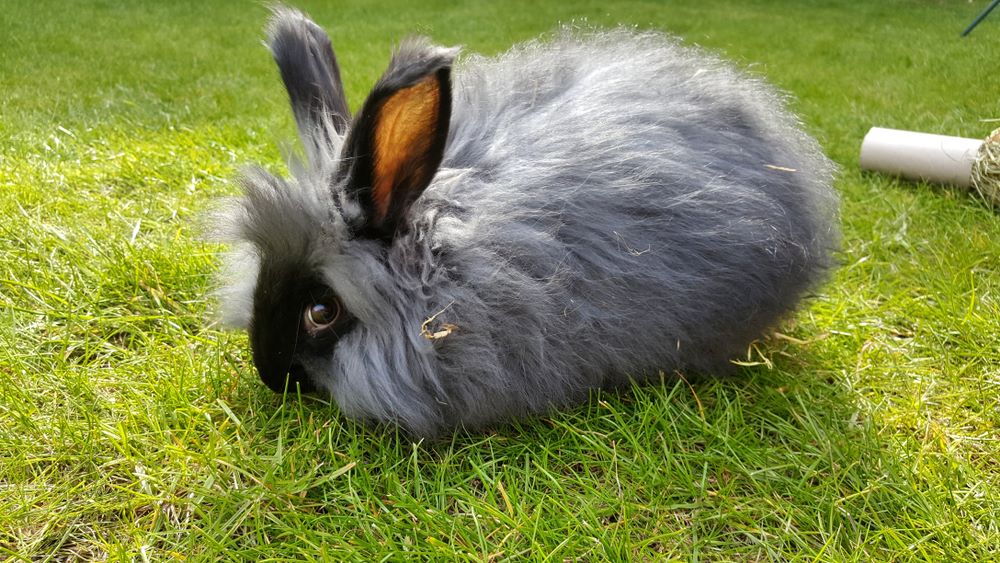
English Angora Rabbit

English Angora Rabbit: Complete Breed Profile, Care Guide, and What US Owners Need to Know

The English Angora is the most visually distinctive rabbit breed in the world. Its complete facial wool coverage, prominent ear tufts, and foot furnishings give it a round, cloud-like appearance unlike any other domestic rabbit — including the other four Angora breeds. It is the smallest of the ARBA-recognized Angora breeds and produces the finest fiber of any Angora variety, with wool diameter measuring 11 to 13 microns — finer than most cashmere.

It is also the most demanding Angora breed to keep correctly. The facial wool that defines its appearance grows continuously toward the eyes and must be trimmed at every grooming session. The coat requires grooming two to three times per week, minimum. Without this consistent attention, the English Angora develops welfare problems faster than any other rabbit breed.

This page covers everything: the breed’s history, ARBA standard, physical specifications, grooming requirements, diet, health conditions, temperament, and what US owners need to know before acquiring one.

Breed History and Origin

The domestic rabbit (Oryctolagus cuniculus) was first selectively bred for long wool in Ankara, Turkey — historically known as Angora — from which all Angora rabbit breeds take their name. The Angora rabbit reached France in 1723 and became associated with the French royal court, where the breed was refined over the following century.

The English Angora developed as a distinct variety through selective breeding in Britain, emphasizing compact body type and complete facial wool coverage — the characteristic that most clearly distinguishes the English from all other Angora breeds. The breed was imported to the United States in the early 20th century and was among the founding breeds recognized by the American Rabbit Breeders Association (ARBA).

Today, the English Angora is kept in the United States primarily as a show animal and fine fiber source. It is the most common Angora breed seen in ARBA-sanctioned rabbit shows.

ARBA Breed Standard: Key Specifications

CharacteristicARBA Standard
Minimum weight5 lbs (2.27 kg)
Maximum weight7.5 lbs (3.4 kg)
Ideal weight5–6 lbs (2.27–2.72 kg)
Body typeCompact — short, round, wide
Recognized colorsAll ARBA-recognized colors permitted
Facial woolFull coverage including ears, face, and feet — mandatory for show
Disqualifying faultsEar length over 3.5 inches; white toenails on colored rabbits (DQ varies by color class)

The English Angora is judged heavily on wool density, texture, uniformity, and condition. Show animals must present with full facial furnishings — any trimming disqualifies for exhibition.

Physical Characteristics

Body

The English Angora has a compact body type — short, round, and wide with well-rounded hindquarters. Despite the visual impression created by the coat, the underlying body is relatively small. A rabbit in a full coat may appear to weigh significantly more than its actual weight. Body condition must be assessed by feeling through the coat rather than a visual assessment.

Wool Coverage

The English Angora’s defining physical characteristic is complete wool coverage of the entire body surface, including:

  • The full face, including the area around the eyes and muzzle
  • Both ears from base to tip, including the interior ear surface
  • All four feet and lower legs
  • The full body coat reaches wool lengths of 3 to 5 inches in maintained show condition

This complete coverage distinguishes the English Angora from every other Angora breed. French, Satin, Giant, and German Angoras have clean faces. The English Angora does not.

Fiber Specifications

SpecificationEnglish Angora Value
Fiber diameter11–13 microns
Annual fiber yield12–16 oz (340–450g)
Harvest methodPlucking (natural molting breed)
Harvest frequencyEvery 90–120 days
Guard hair proportionVery low — highest proportion of underwool of any Angora breed

The English Angora’s 11 to 13 micron fiber diameter is the finest of all Angora breeds and finer than most commercial cashmere (typically 14 to 19 microns). The near-absence of guard hair in the coat produces exceptionally soft finished yarn with pronounced halo — the distinctive fluffy surface characteristic of spun Angora fiber.

Coat Colors

The English Angora is recognized by ARBA in all standard color classes including self (white, black, chocolate, blue, lilac), agouti (chestnut, opal, lynx, squirrel, copper, chocolate agouti), shaded (sable, smoke pearl, seal, siamese sable), broken (any recognized color with white), and pointed white (blue-eyed or ruby-eyed white). The ruby-eyed white (REW) and blue-eyed white (BEW) are among the most commonly seen on the show table.

Grooming: The Non-Negotiable Core of English Angora Care

The English Angora’s grooming requirement is the most demanding of any domestic rabbit breed. It is not optional, not reducible, and not manageable weekly. The following represents the minimum standard for a rabbit kept in good coat condition.

Grooming Schedule

Minimum: Two to three full sessions per week, each 30 to 60 minutes in duration.

During active molt: Daily sessions are required to prevent loose fiber from felting into the new coat. The English Angora’s molt can be sudden and complete — the entire coat begins releasing simultaneously, and ungoverned molt fiber tangles catastrophically within 48 to 72 hours without daily intervention.

Grooming Order — Always Start at the Underside

Every grooming session begins at the underside — belly, chest, and inguinal folds. This is the highest-mat-risk area of the coat and the most consequential to neglect. Work through the belly and inner thighs systematically before moving to the back, sides, legs, and finally the face.

Facial Wool — The Most Critical English Angora Specific Task

The facial wool of the English Angora grows at approximately 1 inch (2.5 cm) per month. Without trimming, it contacts the cornea within weeks of a full coat length. Corneal contact causes:

  1. Mechanical abrasion with each blink — immediate irritation
  2. Chronic conjunctivitis — bacterial infection of the eye lining
  3. Corneal ulceration — painful erosion of the corneal surface requiring veterinary treatment
  4. Corneal scarring — permanent vision impairment if untreated

The facial wool around both eyes must be trimmed at every grooming session without exception. Use small blunt-nosed scissors. Part the facial fringe systematically and ensure clear visual access to both eyes before ending the session.

Essential Tools

  • Steel grooming comb — primary tool for working through the coat
  • Slicker brush — surface finishing after comb work
  • Small blunt-nosed scissors — facial wool trimming and mat removal
  • Pet grooming blower on cool setting — separates fiber, removes dander, identifies early felting; never use heat, which felts Angora wool irreversibly

The Mat Rule

Webbed mats (fiber still separating under finger pressure): work through with fingers and steel comb from the base outward. Solid mats (compressed into a dense mass with no separation possible): must be cut — never pull a solid mat. Always feel for the skin before cutting; Angora rabbit skin is thin and tears easily.

For the complete grooming technique guide with session structure, see our Angora Rabbit Grooming guide.

Diet

English Angora rabbits require a diet that meets the elevated protein demand of continuous wool growth alongside standard rabbit nutritional requirements.

Daily Diet Structure

Unlimited timothy hay — the most important single dietary element. Hay provides the fiber that maintains gut motility, prevents GI stasis, and wears down continuously growing teeth. A rabbit without unlimited hay access is at immediate health risk.

High-protein pellets — minimum 17% protein — standard 12 to 16% generic rabbit pellets do not meet the protein requirement for Angora wool growth. Check the label. Provide approximately ¼ cup per 4 to 5 lbs of body weight daily, adjusted for body condition.

Daily fresh leafy greens — romaine lettuce, cilantro, parsley, dandelion greens. Introduce new greens one at a time in small quantities.

Fresh water at all times — changed daily. Water bottle preferred over an open bowl to minimize wool contact with the drinking surface.

Foods to Avoid

Never feed onion, garlic, leek, avocado, rhubarb, chocolate, or any seed from stone fruit (apple seeds, cherry pits, peach pits contain amygdalin which releases cyanide). Carrots are treats only — high sugar content makes them inappropriate as a dietary vegetable. Cauliflower produces gas through raffinose fermentation — rabbits cannot belch, making GI gas accumulation a serious risk.

Housing

Indoor housing with climate control is the standard for English Angoras. The wool coat felts irreversibly in rain and moisture, impairs heat dissipation in warm weather, and creates flystrike risk outdoors. Outdoor housing is incompatible with English Angora care requirements.

Enclosure Specifications

RequirementSpecification
Minimum floor space24 × 30 inches (61 × 76 cm)
Minimum height18 inches (46 cm)
Solid resting boardMandatory — covers minimum one-third of floor area
Hide boxRequired — enclosed shelter for rest and security
Temperature range60–72°F (16–22°C)
Upper heat limitMandatory — covers a minimum of one-third of the floor area

Wire flooring alone causes sore hocks — painful pressure ulcers on the hind feet. A solid resting board must be present at all times.

Health

GI Stasis — Primary Emergency

Gastrointestinal stasis — the slowing or cessation of gut motility — is the most common life-threatening emergency in domestic rabbits. Contributing causes in English Angoras include insufficient hay intake, inadequate water consumption, and wool block (ingested coat fiber forming a compacted mass in the stomach). Any English Angora that has not eaten or produced droppings for 6 to 8 hours requires a same-day veterinary assessment.

Wool Block

The English Angora ingests more fiber during self-grooming than any other rabbit breed due to its complete body coat coverage. Consistent grooming reduces the volume of loose fiber available for ingestion but does not eliminate the risk. Unlimited hay and adequate hydration support gut motility to pass ingested fiber. Papaya enzyme supplements are used by some breeders as a preventive measure — consult a rabbit-experienced veterinarian for guidance.

Corneal Ulceration

Direct consequence of facial wool contact with the eye surface. Entirely preventable through consistent facial wool trimming at every grooming session. Signs: squinting (blepharospasm), pawing at the eye, excessive tearing, visible haziness on the corneal surface. Requires same-day veterinary assessment when observed.

Dental Disease

Rabbit teeth grow continuously throughout life. The English Angora’s compact body type concentrates the dental arcade in a smaller space, which may increase susceptibility to malocclusion and tooth root pathology. Annual dental assessment by a rabbit-experienced veterinarian is recommended from age three onward.

Flystrike

Warm, moist, or soiled wool — particularly at the hindquarters — attracts blowfly egg deposition. Larvae hatch within hours and cause severe, rapidly progressing tissue damage. Indoor housing virtually eliminates flystrike risk. Regular hindquarter coat inspection and litter training are the primary preventive measures for indoor animals.

Ear Mites (Psoroptes cuniculi)

The English Angora’s complete ear wool coverage traps debris and moisture that favors ear mite infestation. Inspect the ear canal entrance at every grooming session. Signs: head shaking, ear scratching, dark brown crust within the ear canal. Veterinary diagnosis and treatment with ivermectin or selamectin is effective.

Temperament and Suitability

English Angora rabbits have a calm, docile temperament that makes them manageable despite their intensive grooming requirements. They are not well-suited to owners who cannot commit to the grooming schedule — not because of behavioral difficulty, but because the coat welfare consequences of missed sessions are serious and accumulate rapidly.

They are suitable for: experienced rabbit owners; owners who spin or work with fiber and find the grooming relationship rewarding; show exhibitors; households without young children who may handle the rabbit roughly.

They are not suitable for: first-time rabbit owners who underestimate the grooming commitment; households seeking a low-maintenance pet; owners who travel frequently without reliable, experienced care coverage.

For first-time Angora owners, the French Angora is a more appropriate starting breed. Its clean face eliminates the mandatory facial wool trimming, its higher guard hair proportion reduces mat formation, and its grooming demand is significantly lower while its fiber quality remains excellent.

FAQs

How often do English Angora rabbits need grooming?

Two to three full grooming sessions per week, minimum, each 30 to 60 minutes. During active molt, daily sessions are required. The facial wool must be trimmed at every session, regardless of overall coat condition.

What is the English Angora’s fiber yield per year?

12 to 16 ounces (340 to 450 grams) of raw fiber per year harvested by plucking every 90 to 120 days during the natural molting cycle.

Are English Angora rabbits good pets for beginners?

Not recommended as a first rabbit or first Angora. The grooming commitment — particularly the mandatory facial wool trimming — and the speed at which coat neglect creates welfare problems make the English Angora more appropriate for experienced owners. The French Angora is the recommended starting breed for first-time Angora owners.

What makes English Angora fiber different from other Angora breeds?

English Angora fiber measures 11 to 13 microns in diameter — the finest of all Angora breeds and finer than most commercial cashmere. Its near-total absence of guard hair produces the softest finished yarn with the most pronounced halo of any Angora breed.

Can English Angora rabbits live outdoors?

No. The wool coat felts irreversibly in rain and moisture, heat stress risk is significantly elevated by the insulating coat, and flystrike risk is substantially higher outdoors. Indoor housing with climate control is the standard for all English Angora rabbits.

How long do English Angora rabbits live?

7 to 12 years with proper care. This is a decade-long commitment that must be factored into any ownership decision. The grooming requirement, veterinary costs, and daily care needs persist for the rabbit’s entire lifespan.

Conclusion

The English Angora is one of the most extraordinary domestic animals in the world — a living fiber source producing the finest natural animal fiber available, housed in an appearance unlike any other creature. It is also one of the most demanding pets to keep correctly.

The owners who thrive with English Angoras are those who understand and accept the grooming commitment before acquiring the rabbit, who find the grooming relationship itself rewarding, and who have done the preparation — the correct tools, the correct diet, the correct housing, and an identified rabbit-experienced veterinarian — before the rabbit arrives home.

For sourcing guidance, see our Where to Buy an Angora Rabbit guide. For the complete care framework, see our Angora Rabbit Care Guide.

This page is for general educational purposes and does not constitute veterinary advice. See our disclaimer for full details.